
Full-backs in modern football have evolved far beyond their traditional defensive duties. At Arsenal, this position has become one of the most tactically significant roles on the pitch, shaping how the team attacks, defends, and transitions between phases of play. Understanding the specific responsibilities and variations of full-back play is essential for any supporter looking to appreciate the finer details of the Gunners' approach.
### Inverted Full-Back
An inverted full-back is a defender who, when the team has possession, moves into central midfield areas rather than staying wide. At Arsenal, this role has become a hallmark of the system under recent management. When the Gunners build from the back, one full-back typically tucks inside alongside the defensive midfielder, creating a numerical advantage in the middle third. This allows the team to control possession more effectively and frees up the wide attackers to stay higher up the pitch. The inverted movement also helps protect against counter-attacks by ensuring there is always cover in central areas.
### Overlapping Run
An overlapping run occurs when a full-back sprints past a teammate who is already in possession of the ball, usually a winger or wide midfielder, to receive a pass in a more advanced position. Arsenal's full-backs frequently use this technique to stretch opposing defences and create crossing opportunities. When the winger cuts inside, the full-back provides width by bombing down the line. This movement forces the opposition full-back to make a difficult decision—whether to track the runner or stay with the ball carrier. The timing of the overlap is critical; a well-timed run can split a defence open.
### Underlapping Run
An underlapping run is the opposite of an overlapping run. Here, the full-back moves inside the wide player, running into the half-space or central channel rather than staying wide. At Arsenal, this is often used when the winger holds the width and the full-back attacks the space between the opposition's centre-back and full-back. This movement can be particularly effective against deep-lying defences, as it creates confusion about who should pick up the runner. The underlapping full-back often arrives late in the box, making them harder to track.
### Defensive Transition
Defensive transition refers to the moments immediately after Arsenal lose possession. The full-backs have a crucial role in this phase. They must quickly decide whether to press the ball carrier, drop into a defensive shape, or cover the space behind an advancing teammate. A poorly executed defensive transition from a full-back can leave the team exposed to counter-attacks, especially if the winger is caught high up the pitch. Arsenal's system relies on the full-backs being alert and positionally aware during these split-second moments.
### Wide Centre-Back
In a back-three system, the wide centre-back is the defender who operates on either side of the central centre-back. While not a traditional full-back, this role shares many responsibilities, particularly in how the team builds attacks. At Arsenal, when the team shifts to a back three, the wide centre-back often pushes forward to support the midfield, effectively acting as an auxiliary full-back. This role requires excellent passing range and the ability to read the game, as the wide centre-back must know when to step out and when to hold the line.
### Full-Back Pressing Trigger
A pressing trigger is a specific cue that prompts a full-back to engage the opposition player in possession. At Arsenal, full-backs are often instructed to press when the opposition full-back receives the ball with their back to goal, or when a loose pass is played into a wide area. The trigger must be executed with intensity and coordination, as a mistimed press can leave the entire defensive line exposed. The full-back's decision to press is often communicated by the nearest midfielder or centre-back.
### Half-Space
The half-space is the area between the central channel and the wide touchline, typically located just inside the pitch from the full-back's starting position. Arsenal's full-backs frequently occupy this zone during attacks, especially when the team is using an inverted full-back system. By moving into the half-space, the full-back can receive the ball in dangerous positions, turn and face play, and either drive at the defence or play a through ball. This area is often less guarded than the centre or the wings, making it a key tactical battleground.
### Crossing Range
Crossing range refers to the distance and accuracy with which a full-back can deliver the ball into the penalty area. Arsenal's full-backs are expected to have a varied crossing range—from early crosses delivered from deep positions to driven crosses from the byline. The ability to cross with both feet is highly valued, as it allows the full-back to deliver dangerous balls regardless of which side of the pitch they are on. A full-back with a strong crossing range can be a primary source of assists, particularly against teams that defend deep.
### Recovery Run
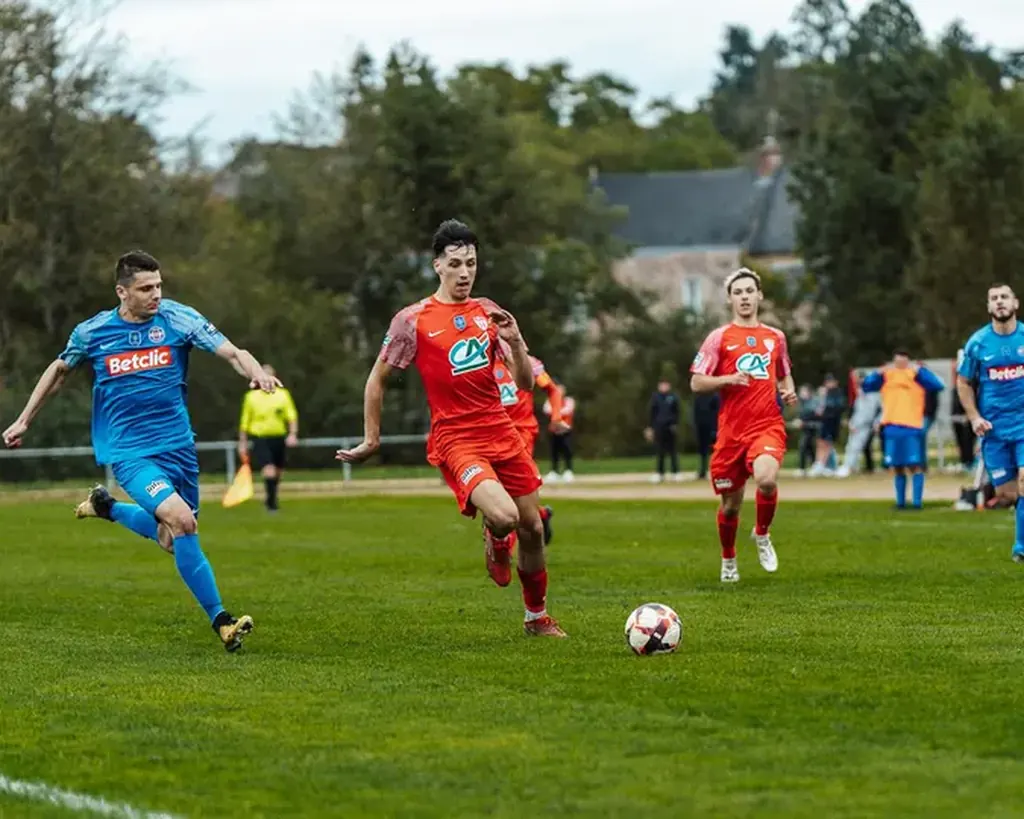
A recovery run is a sprint made by a full-back to get back into a defensive position after being caught upfield. At Arsenal, the full-backs are often the most advanced defenders during attacks, meaning they have the longest distance to cover when possession is lost. A successful recovery run requires exceptional stamina, speed, and reading of the game. The full-back must anticipate where the danger will come from and take the most efficient route back. A well-timed recovery run can prevent a goal-scoring opportunity.
### Defensive Shape
Defensive shape refers to the organisation of the defensive line and midfield when the team is out of possession. Arsenal's full-backs are integral to maintaining this shape. They must stay connected to the centre-backs and midfielders, ensuring there are no gaps for the opposition to exploit. The full-back's positioning—whether narrow or wide—depends on the opponent's formation and the phase of play. A disciplined full-back who holds their shape can frustrate even the most creative wingers.
### Attacking Width
Attacking width is the use of the full-back to stretch the opposition's defence horizontally. Arsenal often relies on their full-backs to provide natural width, especially when the wingers drift inside. By staying wide, the full-back creates space for the central attackers and forces the opposition full-back to choose between staying narrow or tracking the run. This width is essential for breaking down compact defences, as it forces the opposition to cover more ground.
### Defensive Width
Defensive width is the distance between the two full-backs when the team is defending. At Arsenal, the full-backs must judge when to stay narrow to protect the centre and when to push wide to close down opposition wingers. If the full-backs are too narrow, the opposition can exploit the flanks with crosses; if they are too wide, gaps appear between the centre-backs. Finding the right balance is a constant tactical challenge, and it often depends on the specific opponent and match situation.
### Full-Back Rotation
Full-back rotation is a tactical move where the two full-backs swap positions during a match, either temporarily or for extended periods. Arsenal uses this to confuse the opposition's defensive structure. For example, the left-back might drift into a central midfield role while the right-back pushes high and wide. This rotation can create mismatches, as opposition players may not know which full-back to track. It also allows the team to exploit specific weaknesses in the opponent's setup.
### Defensive Midfielder Cover
Defensive midfielder cover refers to the protection provided by the defensive midfielder when the full-backs advance. At Arsenal, the defensive midfielder often drops between the centre-backs or shifts across to cover the space vacated by an advancing full-back. This allows the full-back to push forward with confidence, knowing there is cover behind them. The relationship between the full-back and the defensive midfielder is one of the most important tactical partnerships in the team.
### Full-Back to Centre-Back Passing Lane
This passing lane is the channel between the full-back and the nearest centre-back. At Arsenal, this lane is crucial for building from the back. The full-back must be able to receive the ball under pressure and play accurate passes into the centre-back or midfield. A well-timed pass through this lane can bypass the opposition's first line of pressure and start a dangerous attack. If the passing lane is blocked, the full-back must have alternative options, such as playing a long ball or dribbling forward.
### Full-Back Dribbling
Full-back dribbling is the ability of the defender to carry the ball forward into the opposition's half. Arsenal's full-backs are often encouraged to dribble when space opens up in front of them. This can draw opposition players out of position, creating gaps for teammates. A full-back who can dribble effectively is a dual threat—they can either drive towards the byline for a cross or cut inside to shoot or pass. However, dribbling carries risk; a lost dribble in a dangerous area can lead to a counter-attack.
### Tactical Foul
A tactical foul is a deliberate infringement committed by a full-back to stop a promising opposition attack. At Arsenal, full-backs are sometimes instructed to take a yellow card for the team if a counter-attack is developing and there is no other way to stop it. The tactical foul is usually committed in the middle third of the pitch, away from the penalty area, to minimise the danger from the resulting free-kick. This requires good judgement, as a poorly timed foul can lead to a red card.
### Defensive Header
A defensive header is a header made by a full-back to clear the ball from a dangerous area, usually from a cross or set piece. Arsenal's full-backs must be strong in the air, especially when defending against taller attackers. The defensive header should be directed away from goal, ideally to a teammate or into a safe area. A weak or misdirected header can create a goal-scoring opportunity for the opposition. Full-backs also use defensive headers to start counter-attacks by heading the ball to a midfielder.
### Set-Piece Responsibility
Set-piece responsibility refers to the specific duties assigned to full-backs during corners, free-kicks, and throw-ins. At Arsenal, full-backs often take the corners or free-kicks from wide areas, delivering the ball into the box. They also have defensive responsibilities during opposition set pieces, such as marking a specific player or guarding the near post. The full-back's role in set pieces can be a significant source of goals, both scored and conceded.
### Full-Back as Playmaker
A full-back who acts as a playmaker is one who dictates the tempo and direction of attacks from deep positions. At Arsenal, this role is often taken by the more technical full-back, who receives the ball in space and picks out passes to the forwards or midfielders. The playmaking full-back must have excellent vision, passing range, and composure under pressure. This role blurs the line between defence and midfield, making the full-back a key creative outlet.
### Defensive Positioning
Defensive positioning is the art of being in the right place at the right time to intercept passes, block shots, or make tackles. Arsenal's full-backs must constantly adjust their positioning based on the ball's location, the opponent's movement, and the team's defensive shape. Good positioning allows the full-back to anticipate danger before it develops, reducing the need for last-ditch tackles. Poor positioning, on the other hand, can leave the defence exposed.
### Full-Back Communication
Full-back communication involves verbal and non-verbal signals between the full-back and their teammates, particularly the winger, centre-back, and goalkeeper. At Arsenal, clear communication is essential for coordinating defensive shifts, pressing triggers, and overlapping runs. A full-back who communicates well can prevent defensive errors and ensure the team remains organised. This is especially important during transitions, when split-second decisions can make the difference between a goal conceded and a goal saved.
### Energy Conservation
Energy conservation refers to the full-back's ability to manage their stamina over the course of a match. Arsenal's full-backs cover more ground than almost any other player on the pitch, making energy management critical. A full-back who burns out early in the second half can become a liability, leaving the team exposed. Effective energy conservation involves knowing when to sprint and when to jog, when to press and when to drop off, and when to stay forward and when to recover.
What to Check
When evaluating a full-back's performance in Arsenal's system, look for their positioning during build-up play—are they tucking inside or staying wide? Observe their decision-making in transitions: do they press or drop? Note their crossing accuracy and whether they attempt overlaps or underlaps. Check how they communicate with the winger and centre-back, especially during defensive phases. Finally, assess their stamina over 90 minutes—do they maintain intensity or fade? These observations will give you a clear picture of how well the full-back is executing their tactical role.
For more on Arsenal's tactical approach, see our tactical breakdowns and rivalry comparisons. The Arsenal tactics hub offers further reading on how the team's system evolves.
Reader Comments (0)