
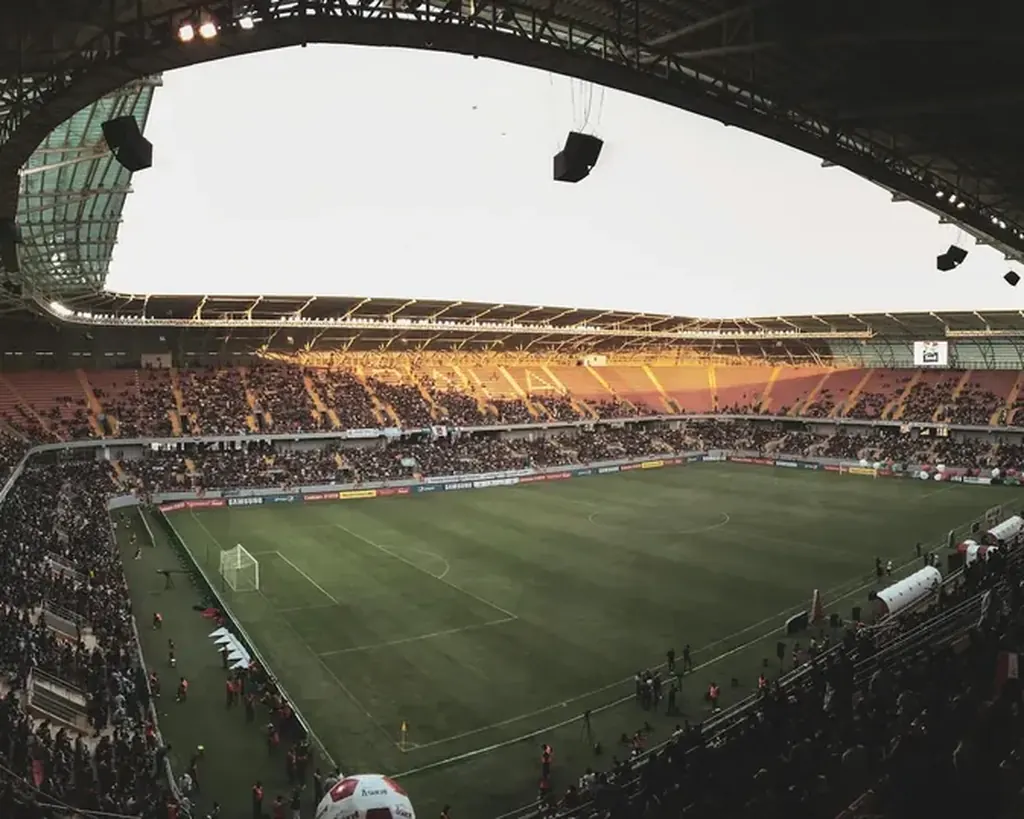
So you want to get serious about Arsenal FC beyond the scoreline? Maybe you’ve watched a few matches and thought, “Why did they drop so deep after that goal?” Or perhaps you’re the type who checks the lineup an hour before kick-off and wants to understand Mikel Arteta’s system. Welcome to the deep end of Arsenal fan media—where tactics, match analysis, and club history collide. This checklist is your roadmap to navigating the best content, from formation diagrams to historical deep dives.
1. Start with Tactical Breakdowns: The “Why” Behind the Game
Tactical analysis is the bread and butter of serious fan media. It’s not just about who scored—it’s about how they created the space. Here’s how to approach it:
- Identify the formation: Arsenal under Arteta often shifts between a 4-3-3 in possession and a 4-4-2 or 4-1-4-1 out of possession. Look for content that breaks down these transitions, not just a static lineup graphic.
- Focus on specific phases: Good breakdowns separate attacking patterns (e.g., overloads on the left flank) from defensive shape (e.g., the high press or low block). Avoid analysis that lumps everything into “they played well.”
- Use match stats as context: Pair tactical observations with metrics like expected goals (xG), pass completion in the final third, or defensive duels won. For example, a high xG but low shot count might indicate poor finishing, not bad tactics. Check out our match and player stats for raw numbers to cross-reference.
- Watch for micro-tactics: Look for breakdowns of set pieces (corners, free-kicks) or individual player roles (e.g., the inverted full-back, the false nine). These details separate amateur analysis from expert content.
2. Match Analysis: Post-Game and Pre-Game Rituals
Match analysis is where fan media shines, but it’s easy to get lost in hot takes. Build a routine:
- Post-match: Read analysis within 24 hours, not immediately after the final whistle—emotions cloud judgment. Look for pieces that separate first-half and second-half performance, especially if Arsenal conceded late.
- Pre-match: Focus on tactical previews. Does the opponent’s formation expose Arsenal’s weaknesses (e.g., counter-attacks vs. a high line)? Use our player profiles to check recent form and injury status.
- Compare multiple sources: Don’t rely on one account. A balanced view comes from mixing data-driven outlets (e.g., those referencing xG or pressing stats) with opinion-based blogs that offer context.
- Watch for confirmation bias: If you’re a fan, it’s easy to blame the referee or luck. Good analysis acknowledges opponent quality and tactical errors.

3. Club History: The Foundation of Fan Media
Understanding Arsenal’s past enriches your tactical analysis. History isn’t just nostalgia—it explains current culture and tactics.
- Trace tactical evolution: Compare the Invincibles’ 4-4-2 under Arsène Wenger with Arteta’s modern 4-3-3. Look for content that links historical formations to today’s game—e.g., how Wenger’s emphasis on technical midfielders influenced the club’s recruitment philosophy.
- Focus on key eras: The 1970s double-winning side, the George Graham back-four, the Wenger revolution, and the Emirates Stadium transition. Each era shaped the fan media’s narrative.
- Use authoritative sources: Club history is well-documented—refer to official club records or databases. Avoid fan fiction about “what if” scenarios (e.g., “If Wenger had signed X player…”). For rivalries like Tottenham or Man City, see our rivalry comparisons.
- Connect history to current tactics: For example, Arteta’s high press echoes Wenger’s early teams, but with a modern twist—more positional discipline and fewer individual errors. Good fan media makes these links explicit.
| Era | Manager | Primary Formation | Signature Tactic | Fan Media Focus |
|---|---|---|---|---|
| 1930s Golden Age | Herbert Chapman | WM (3-2-2-3) | Long-ball counter-attack | Birth of modern tactics |
| 1970s Double | Bertie Mee | 4-4-2 | Defensive solidity, set pieces | Grit and resilience |
| 1990s Back Four | George Graham | 4-4-2 | Offside trap, back-line discipline | Defensive masterclass |
| 2000s Invincibles | Arsène Wenger | 4-4-2 (fluid) | Quick passing, technical midfield | Attacking philosophy |
| 2020s Arteta Era | Mikel Arteta | 4-3-3 (variable) | High press, inverted full-backs | Structural analysis |
4. Navigate the Fan Media Landscape: What to Watch For
Not all fan media is created equal. Here’s a quick guide to quality:
- Avoid: Clickbait titles (“Arsenal WILL sign this player”), unverified transfer rumors, or match predictions presented as fact. Stick to content that labels opinion as opinion.
- Seek out: Content with clear sourcing (e.g., “According to official club records…” or “Based on this season’s xG data…”). Look for authors who explain why they hold a view.
- Check for bias: Every fan media has a slant—some are pro-Arteta, others critical. That’s fine, as long as it’s transparent. Use multiple outlets to balance perspectives.
- Engage with the community: Comment sections and forums (like Reddit’s r/Gunners) can surface insights, but verify claims. A user’s “analysis” might just be a guess.

5. Create Your Own Analysis: A Checklist for Beginners
You don’t have to be a professional—just start small. Here’s a checklist for your own tactical breakdown:
- Watch the match twice: First for emotion, second for structure. Pause at key moments (goals, substitutions, set pieces).
- Note the formation: Write down Arsenal’s shape in possession vs. out of possession. Does it change?
- Identify a key pattern: E.g., “Bukayo Saka’s inverted runs created space for the overlapping full-back.”
- Use one stat: Pick a single metric (e.g., passes into the box, tackles won) to support your observation.
- Write a short paragraph: Keep it to 100-200 words. Example: “In the first half, Arsenal’s midfield dropped too deep, allowing the opponent’s number 10 to dictate play. Arteta’s halftime adjustment—pushing Declan Rice higher—closed that space.”
- Share and ask for feedback: Post on a fan forum or social media with a clear question. You’ll learn fast.
6. Go Deeper: Advanced Resources
Once you’ve mastered the basics, level up:
- Watch tactical analysis channels: YouTube channels like The Athletic or Tifo Football offer visual breakdowns. Look for Arsenal-specific episodes.
- Read books: “The Mixer” by Michael Cox covers Premier League tactical history, including Arsenal’s role. “Arsenal: The Making of a Modern Superclub” by Alex Fynn gives historical depth.
- Use data tools: Free sites like FBref or WhoScored provide detailed stats. Cross-reference with fan media claims—you’ll spot confirmation bias quickly.
- Join live analysis threads: During matches, follow Twitter or Discord threads that post real-time observations. This builds your tactical vocabulary.
Checklist Conclusion
- Start with tactical breakdowns that explain formations, phases, and micro-tactics—not just scorelines.
- Build a match analysis routine: post-match within 24 hours, pre-match with opponent context, and compare multiple sources.
- Ground your history knowledge in official records, and connect past eras to current tactics.
- Avoid clickbait and unverified claims—look for sourced, transparent content.
- Practice your own analysis with a simple checklist: watch twice, note patterns, use one stat, write short, and share.
- Explore advanced resources like tactical YouTube channels, data tools, and live threads.
Reader Comments (0)