

Staying up to date with Arsenal Football Club requires more than just checking the official website. With a constant flow of transfer rumors, match analysis, and injury updates, fan media can be both a resource and a minefield. This guide offers a practical, step-by-step approach to consuming Arsenal news, transfers, and analysis effectively—whether you are a long-time supporter or new to the club.
1. Start with Reliable Sources for Breaking News
When a major story breaks—whether it is a transfer rumor, a managerial update, or a contract extension—your first instinct should be to verify the source. Not all outlets prioritize accuracy.
- Check official club channels first: The Arsenal website and verified social media accounts (blue checkmarks on X, for example) are the only guaranteed sources for confirmed announcements. Any news about player contracts, signings, or departures should be cross-referenced here.
- Use reputable fan media platforms: Sites like The Highbury Dispatch aggregate news but should clearly distinguish between confirmed facts and speculation. Look for articles that cite sources, such as "according to The Athletic" or "reported by Fabrizio Romano," rather than unnamed "insiders."
- Avoid clickbait headlines: If a headline promises "exclusive" or "done deal" without a credible source, treat it with skepticism. Reliable fan media will often include a disclaimer like "this is a rumor until confirmed."
2. Understand the Transfer Window Landscape
Transfer rumors dominate fan media, but not all reports carry equal weight. Knowing the typical patterns can help you separate plausible stories from pure speculation.
- Distinguish between tiers of journalists: Some reporters, like those from The Athletic or BBC Sport, have established track records with Arsenal. Their information is often based on direct club sources. Others may rely on secondhand reports or agent leaks.
- Look for multiple confirmations: A single source, especially an unverified one, is not enough. If a transfer story appears across several reputable outlets, it becomes more credible. For example, a rumor about a midfielder being scouted should be backed by at least two independent reports.
- Be aware of timing: During the summer transfer window (June to August) and winter window (January), news flows faster, but so do false leads. Stories that emerge just before a deadline often have less verification. Patience is key—wait for official confirmation before celebrating or worrying.
- Is the source named and credible?
- Has the story been picked up by multiple outlets?
- Does the report include specific details (e.g., fee structure, contract length) or vague language?
- Is the timing suspicious (e.g., just before a big match)?
3. Evaluate Match Analysis and Tactical Breakdowns
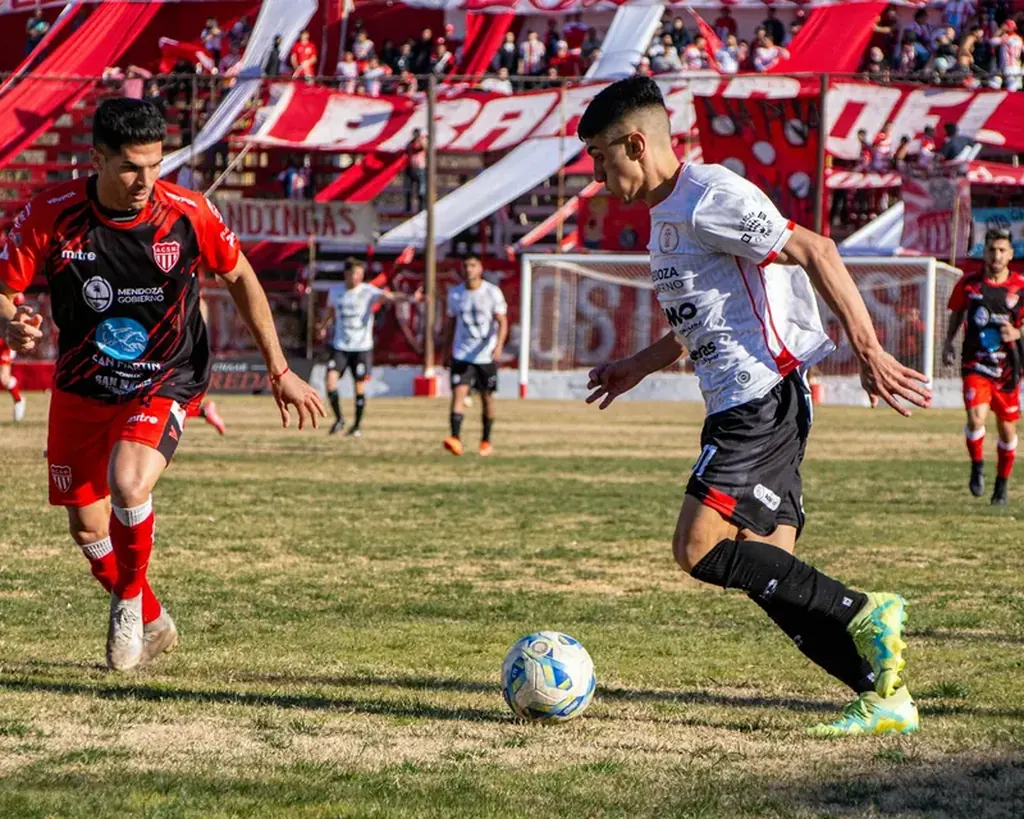
Post-match analysis and tactical breakdowns are a staple of Arsenal fan media, but they are inherently subjective. Use them to deepen your understanding, not as definitive truth.
- Read analysis as opinion, not fact: A tactical breakdown of a 4-3-3 formation against Manchester City is the author's interpretation. Look for articles that explain their reasoning—such as referencing specific player positions, heat maps, or passing patterns—rather than making broad claims like "the system failed."
- Cross-reference with match statistics: Official stats from the Premier League or UEFA Champions League can validate or challenge an analysis. For example, if an article claims Arsenal dominated possession, check the actual possession percentage. Sites like WhoScored or the official match report are useful.
- Consider the author's bias: Fan media often leans positive or negative. A writer who consistently criticizes the manager may overlook tactical successes. Seek out balanced pieces that acknowledge both strengths and weaknesses.
4. Stay Updated on Injury News with Caution
Injury updates are crucial for understanding team selection and performance, but they are frequently misreported.
- Rely on official injury reports: The club releases a pre-match press conference transcript (often on the official site or via reliable journalists like those at The Athletic) that includes the manager's comments on player fitness. This is the gold standard.
- Avoid speculative timelines: Fan media may report that a player "could return in two weeks" based on unofficial sources. Without a club statement, such timelines are guesses. For example, a hamstring injury might be listed as "minor" but keep a player out for a month.
- Use aggregated injury lists with caution: Many fan sites compile injury tables, but they often rely on unverified data. Look for tables that cite sources, such as "as per the manager's press conference on [date]."
| Source Type | Reliability | Example |
|---|---|---|
| Official club press conference | High | Manager's pre-match comments |
| Reputable journalist (e.g., The Athletic) | Medium-High | "According to club sources..." |
| Aggregator fan site (without citation) | Low | "Injury list updated" with no source |
| Social media rumor | Very Low | "Hearing that..." from an unverified account |
5. Use Player Profiles for Context, Not Certainty
Player profiles on fan media can provide useful background, but they often blur the line between confirmed facts and rumors.
- Distinguish between confirmed and speculative sections: A good profile will clearly label sections like "Career Stats" (factual) and "Transfer Rumors" (speculative). If a profile claims a player is "likely to leave in January" without a source, treat it as opinion.
- Check youth academy profiles: For players from Hale End, statistics are less publicly available than for the first team. Fan media may rely on academy match reports or unofficial databases. Note that these profiles are often based on limited data and should be taken as overviews, not definitive assessments.
- Avoid salary and contract details without official sources: Player salaries are rarely confirmed by the club. Any figure in a profile (e.g., "£200,000 per week") should be treated as a rumor unless it comes from a verified financial report or club announcement.

6. Navigate Historical Content with Context
Arsenal's rich history—from Highbury to the Emirates, from the Invincibles to recent seasons—is a common topic in fan media. Historical articles can be valuable, but they require careful reading.
- Verify historical records: Claims about goalscoring records, appearance milestones, or trophy counts should be cross-referenced with official club records or authoritative databases like Premier League stats. For example, Thierry Henry's goal tally is well-documented, but a claim about "most assists in a season" might need verification.
- Avoid revisionist narratives: Some fan media may present a romanticized view of past eras (e.g., "the Wenger years were always successful") or overly critical takes (e.g., "the banter era was entirely negative"). Seek balanced articles that acknowledge both achievements and challenges.
- Use historical content for context, not predictions: A piece about Arsenal's 1998 double-winning season can inform your understanding of the club's culture, but it should not be used to predict future success. Conditions (e.g., financial landscape, competition) have changed significantly.
7. Engage with Fan Media Responsibly
Fan media is not just for reading—it is also a community. However, engaging responsibly ensures you get the most out of it.
- Participate in discussions with an open mind: Comment sections and forums can offer diverse perspectives, but they can also amplify misinformation. Before sharing a rumor or opinion, confirm it with reliable sources.
- Avoid spreading unverified news: If you see a report that seems too good (or bad) to be true, do not share it until it is confirmed. A single retweet can turn a baseless rumor into a "trending story."
- Support quality journalism: Many fan media outlets rely on subscriptions or donations. If you find a site that consistently provides accurate, well-sourced content, consider supporting it financially. This helps maintain quality and reduces reliance on clickbait.
Reader Comments (0)