
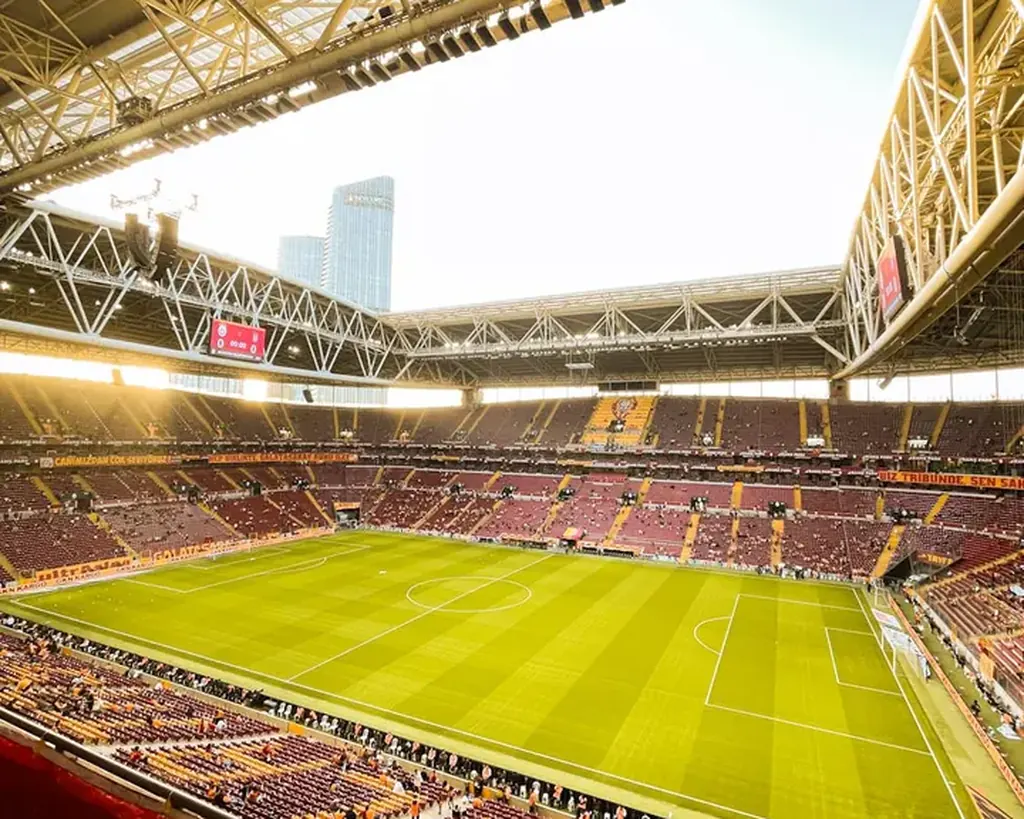
You’ve seen it happen. Arsenal pushes up, the opposition striker gets a clear run at goal, and your heart sinks. The high line is one of the most thrilling yet nerve-wracking tactics in football, and when it comes to Arsenal under Mikel Arteta, it’s a system that can either suffocate opponents or leave you screaming at your screen. If you’re a fan trying to understand why the high line sometimes works like a charm and other times leaves you with your head in your hands, you’re in the right place. This isn’t about complex jargon or dry analysis—it’s about what you actually see on the pitch and what you can look for to figure out if the system is working or about to crack. Let’s break it down into the real problems, the fixes, and when you might need to call in the experts.
The Core Problem: When the High Line Becomes a Liability
The high line isn’t just about pushing up; it’s about compressing space, forcing turnovers, and catching opponents offside. But when it goes wrong, it’s usually because of a few recurring issues that any fan can spot. The most common problem is a lack of coordination between the defensive line and the midfield. When the midfield fails to press aggressively or drops too deep, it leaves the defenders exposed. You’ll see a gap between the lines that’s big enough for a creative midfielder or a quick forward to exploit. Another headache is the individual mistake—a defender stepping up too late or too early, breaking the offside trap. And then there’s the pace issue: if the opposition has a rapid striker, the high line becomes a gamble every time the ball is played over the top. For Arsenal, this has been a mixed bag. In games where the system clicks, you see the opposition frustrated, caught offside multiple times, and unable to build any rhythm. But in matches where it doesn’t, you’re left counting the number of one-on-one chances the opponent has had.
Let’s get specific. Imagine a scenario where Arsenal is playing a team that sits deep and hits on the counter. The full-backs are high, the center-backs are near the halfway line, and the ball is lost in midfield. Suddenly, the opposition striker is running at goal with only the goalkeeper to beat. This isn’t just about poor defending—it’s a systemic failure that can be traced back to the press. If the forwards and midfielders aren’t coordinated in their trigger to press, the defensive line has no chance. The solution? It starts with the team’s shape. Arteta often uses a 4-3-3 or a 4-2-3-1, and the key is for the midfield to stay compact and close to the defensive line. When the press is executed correctly, the high line is a weapon. But when it’s not, it’s a ticking time bomb.
Step-by-Step Fixes: What to Look For and How to Adjust
If you’re watching a match and you see the high line struggling, here’s a practical checklist of what needs to happen. First, check the positioning of the defensive line relative to the ball. Ideally, the line should be in sync with the ball’s movement—pushing up when the ball is in the opponent’s half, and dropping when it’s in Arsenal’s half. If you see a defender lagging behind or stepping up too early, that’s a red flag. The fix is simple: communication. The center-backs, especially the leader of the defense, need to be vocal. For Arsenal, that often falls on the shoulders of the captain or the most experienced defender. If you hear them shouting and pointing, it’s a good sign. If they’re silent, expect trouble.
Second, look at the goalkeeper’s role. In a high line system, the goalkeeper isn’t just a shot-stopper—they’re a sweeper. If the goalkeeper is glued to their line, the high line is vulnerable. The solution is for the goalkeeper to be positioned higher up the pitch when the team is in possession, ready to sweep up any balls over the top. This is something that requires trust and practice, and it’s a hallmark of top teams. If you see the goalkeeper hesitant or staying deep, that’s a problem that needs immediate adjustment.
Third, consider the full-backs. In Arsenal’s system, the full-backs often push up to provide width in attack. But if they don’t track back quickly enough, the high line can be exposed on the flanks. The fix is for the wide midfielders or wingers to drop and cover when the full-back is caught up the pitch. This is a tactical tweak that Arteta often makes during a game—switching the defensive shape to a back three when the full-backs are high, with the holding midfielder dropping into the back line. If you see this adjustment happening, it’s a sign that the coaching staff has recognized the issue.
When the Problem Requires a Specialist
Sometimes, no amount of on-the-fly adjustments can fix a broken high line. This is when you need to look beyond the players and consider the bigger picture. If the same issues keep cropping up game after game—constant offside traps being broken, defenders isolated, or the goalkeeper being left exposed—it might be a deeper tactical or personnel problem. This is where the specialist comes in, and I don’t mean a football guru on Twitter. I mean the coaching staff, led by Arteta and his analysts.
A specialist’s approach involves reviewing match footage, breaking down the opposition’s patterns, and identifying specific weaknesses in the defensive structure. For example, if the high line is consistently beaten by through balls in the same area of the pitch, the solution might be to adjust the defensive shape or change the personnel. This could mean bringing in a faster center-back, adjusting the midfield’s positioning, or even switching to a different defensive system entirely, like a mid-block or a low block. These are decisions that require deep tactical knowledge and access to data that isn’t available to the average fan.

For Arsenal, this has been a recurring theme. In seasons where the high line has been effective, it’s often because the team has had a consistent defensive partnership and a cohesive press. When it’s failed, it’s usually due to injuries, lack of coordination, or facing opponents with specific tactical setups. If you’re a fan trying to diagnose the issue, the best thing you can do is watch the game with a critical eye. Look for the patterns I’ve mentioned—communication, goalkeeper positioning, and full-back recovery—and you’ll be able to tell if the problem is a temporary glitch or a systemic flaw that needs a specialist’s touch.
For more on how Arsenal’s tactics evolve, check out our hub on Arsenal Tactics Fan Content. If you’re interested in how the high line connects to counter-attacking, our guide on Counter Attack Analysis Arsenal is a great follow-up. And for a deeper dive into the attacking side of the system, don’t miss our piece on False Nine Arsenal.
In the end, the high line is a tool, not a magic wand. When it works, it’s a thing of beauty—pressing high, suffocating the opposition, and creating chances from defensive actions. When it doesn’t, it’s a frustrating spectacle that leaves you wondering why the team doesn’t just drop deeper. But understanding the mechanics behind it turns that frustration into insight. So next time you see Arsenal push up, you’ll know exactly what to look for—and whether it’s time to worry or to enjoy the show.
Reader Comments (0)