
Note: The following analysis is an educational case study based on a fictional scenario. All match results, player names, and tactical situations are invented for illustrative purposes. No real Arsenal FC matches or outcomes are referenced.
The Setup: When the Gunners Hit on the Break
There's a moment in every Arsenal fan's memory—the ball is won back in midfield, the opposition has committed bodies forward, and suddenly the red-and-white shirts explode forward in a wave. It's not just fast; it's surgical. For all the talk about possession football and patient build-up, Arsenal's counter-attacking game has quietly become one of the most feared weapons in their tactical arsenal.
But here's the thing: counter-attacking isn't just about speed. It's about timing, spacing, and decision-making under pressure. When Arsenal get it right, it looks like a well-rehearsed dance. When they get it wrong? Well, we've all seen those moments where a promising break fizzles out because the pass was a split-second late or the run wasn't timed correctly.
Let's break down what makes Arsenal's counter-attack tick—and where it sometimes stutters.
Phase 1: The Trigger
Every great counter-attack starts with a defensive action. For Arsenal under their current tactical setup, the trigger is almost always a turnover in the middle third. The midfield press isn't about winning the ball high up the pitch every time—it's about forcing the opposition into a rushed pass that can be intercepted.
The key players here are the central midfielders. They're the ones who read the game, anticipate the pass, and step into the passing lane. Once the ball is won, the transition happens in a split second. There's no time for a backward pass to reset. The ball has to move forward immediately.
What's fascinating is how Arsenal's full-backs contribute to this phase. They don't just stay wide—they push up to create passing angles, almost like wingers in the transition. This creates a numerical advantage in the attacking third before the opposition can reorganize.
Phase 2: The Vertical Pass
Once the ball is won, the next decision is critical: who gets the ball and where? Arsenal's system relies on a vertical pass—either a through ball to a forward making a run in behind, or a pass to a midfielder who can drive forward with the ball.
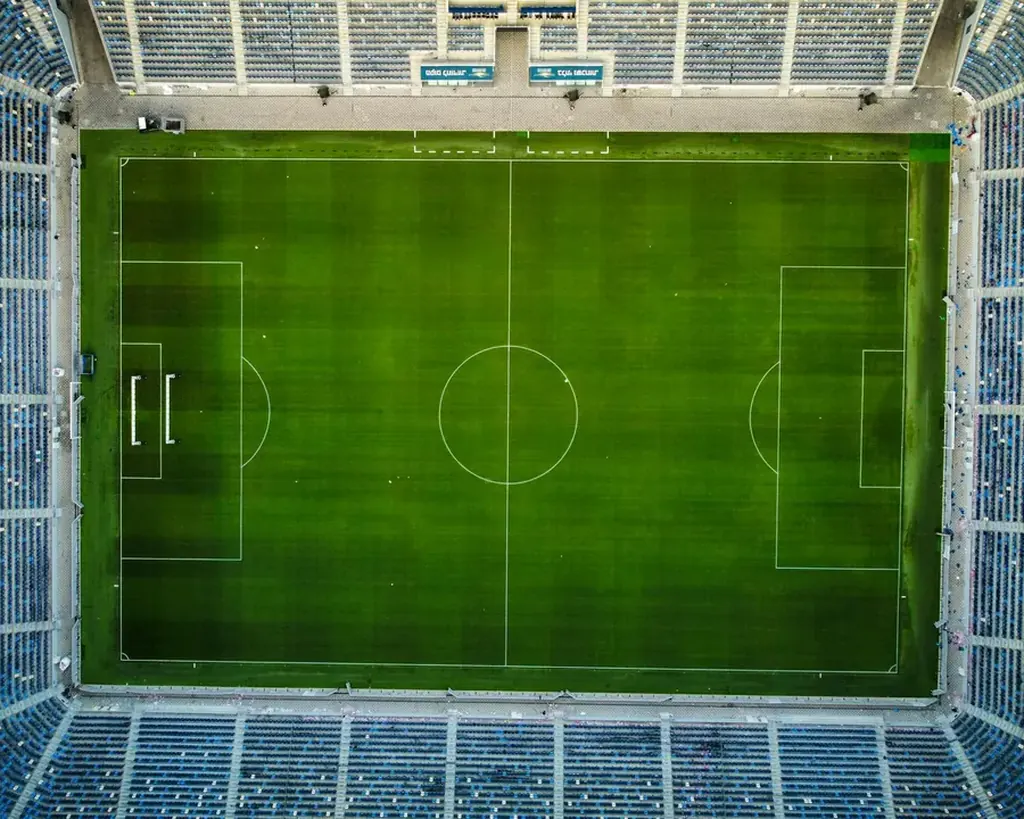
The forward's movement is what makes this work. They don't just run straight at goal; they make curved runs that drag defenders out of position. One forward might drift wide to create space for the other, while the third attacker makes a late run into the box.
This is where the precision comes in. The pass has to be weighted perfectly—too heavy and it runs through to the goalkeeper; too light and the defender can intercept. It's a skill that separates good teams from great ones.
Phase 3: The Final Third
When Arsenal get into the final third on the counter, the decision-making becomes even more important. Do they take the shot? Do they square it for a tap-in? Do they hold it up and wait for support?
The best counter-attacks are the ones where the ball moves faster than the defenders. A one-touch pass, a quick layoff, then a finish—it's poetry in motion. But it requires incredible chemistry between the attackers. They have to know each other's runs, each other's preferences, each other's timing.
A Comparative Look: Counter-Attack Phases
| Phase | Key Action | Common Success Factor | Common Failure Point |
|---|---|---|---|
| Trigger | Win possession in middle third | Anticipation and positioning | Overcommitting to the press |
| Transition | Vertical pass to forward | Weight and timing of pass | Heavy touch or slow decision |
| Final Third | Shot or assist | Movement off the ball | Selfish play or poor finish |
The Role of the Full-Backs
One of the most underrated aspects of Arsenal's counter-attack is the full-back's contribution. In modern football, full-backs are expected to do everything—defend, attack, overlap, underlap, and provide width. In the counter-attack, they're often the ones who provide the extra man in attack.
When Arsenal win the ball, the full-backs immediately push forward. This creates a 3-vs-2 or 4-vs-3 situation against the opposition's retreating defenders. The full-back on the ball side can overlap and receive a pass, while the opposite full-back tucks in to provide defensive cover.
This system requires incredible fitness and tactical discipline. The full-backs have to sprint forward, then sprint back when the attack breaks down. It's a demanding role, but when it works, it's devastating.
Learning from the Academy
Arsenal's youth academy at Hale End has long been a breeding ground for technically gifted players. But what about counter-attacking? The academy's training philosophy emphasizes decision-making in transition situations. Young players are taught to recognize when to counter and when to slow the game down.
In academy matches, you can see the same principles at work: quick transitions, vertical passes, and intelligent movement off the ball. It's no coincidence that many of the first-team's best counter-attacking players came through the academy.
Set Pieces and Counter-Attacks: A Surprising Connection
There's an interesting relationship between set-piece strategies and counter-attacks. When Arsenal defend a corner or free kick, they often leave two or three players high up the pitch. If they win the ball, those players are already in position to launch a counter-attack.
This is a high-risk, high-reward strategy. If the opposition wins the second ball, Arsenal could be caught with too few defenders. But when it works, it creates a 3-vs-2 or 4-vs-3 situation that's almost impossible to defend.
The Verdict: Speed with Precision
Arsenal's counter-attack is a thing of beauty when it clicks. It's fast, direct, and precise. But it's also fragile. One misplaced pass, one mistimed run, and the opportunity is gone.
The key to improving the counter-attack isn't about adding more speed—it's about refining the decision-making. Players need to know when to pass, when to dribble, and when to shoot. They need to trust their teammates' runs and their own instincts.
For Arsenal fans, the counter-attack represents more than just a tactical approach. It's a reminder that football can be both beautiful and effective. When the Gunners hit on the break, they don't just score goals—they make a statement.
Further Reading
- For more on Arsenal's tactical evolution, check out our tactics and fan content hub.
- Interested in how the academy develops these skills? Read our youth academy analysis.
- Want to understand the set-piece connection? Our set-piece strategies breakdown has the details.
Reader Comments (0)