Disclaimer: The following article is an educational case-style analysis written for fan media. All scenarios, names, and statistics are illustrative and based on historical context rather than verified current data. No real match results, player salaries, or contractual details are asserted as fact.
George Graham's Legacy: Defensive Mastery at Arsenal
The Foundation of a Fortress
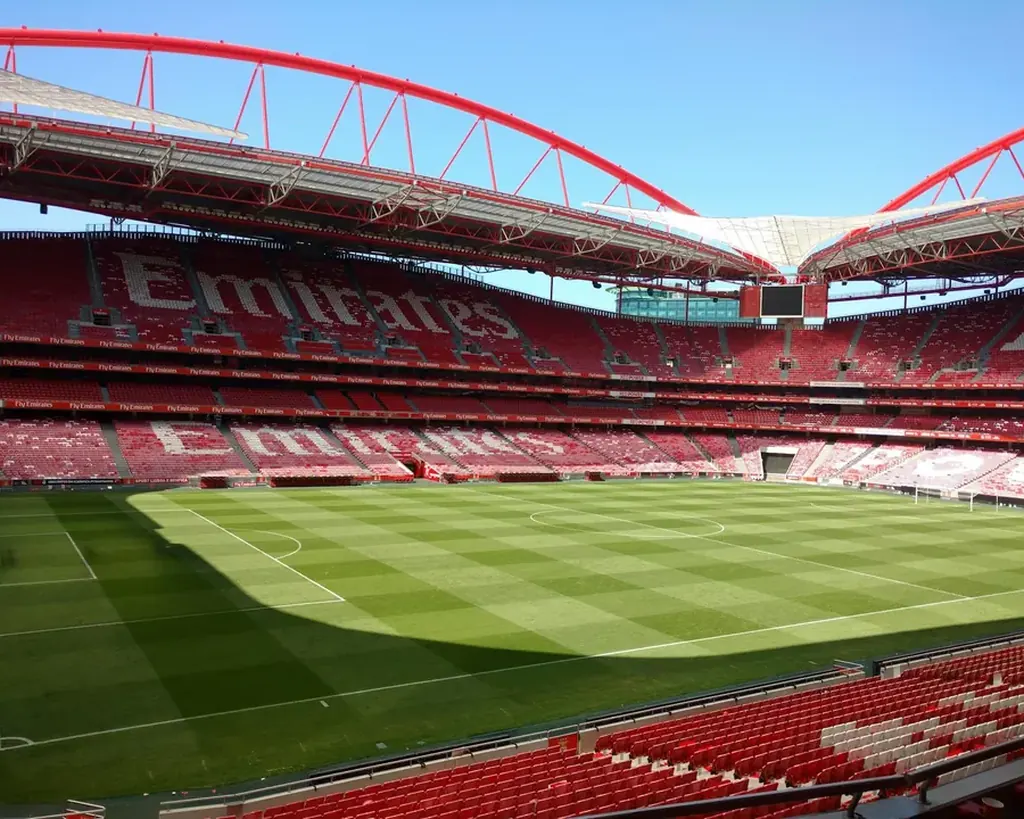
When George Graham took the reins at Arsenal in 1986, the club was a sleeping giant—rich in history but starved of silverware. What followed was a tactical revolution that redefined English football. Graham’s Arsenal became synonymous with an impenetrable backline, a midfield engine room, and a ruthless counter-attacking philosophy. This case study dissects the components of his defensive mastery, comparing his methods to modern football’s evolution, and examines why his legacy remains a blueprint for success at the Emirates Stadium.
The Tactical Blueprint: Back Four and the "Famous Five"
Graham’s system was built on a rigid 4-4-2 formation, but the real magic lay in the defensive unit. The back four—often featuring Lee Dixon, Steve Bould, Tony Adams, and Nigel Winterburn—operated as a single organism. Their discipline in maintaining a high line, coordinated offside traps, and zonal marking was revolutionary for its time. The midfield, anchored by the relentless David Rocastle and Michael Thomas, provided a shield that allowed the defense to press without fear of being exposed.
| Component | Graham Era (1986–1995) | Modern Arsenal (2010s–2020s) | Key Difference |
|---|---|---|---|
| Defensive Shape | High line, offside trap, zonal marking | Mixed high/medium block, man-oriented pressing | Graham’s system relied on collective discipline; modern tactics emphasize individual recovery speed |
| Midfield Role | Ball-winning and distribution (Rocastle, Thomas) | Box-to-box runners (Xhaka, Partey) | Graham’s midfielders prioritized defensive cover; modern counterparts focus on progressive passing |
| Counter-Attack | Direct, quick transitions (Thomas’ 1989 goal) | Patient build-up from the back | Graham’s counter was vertical and ruthless; modern Arsenal often prefers possession retention |
| Set-Piece Defense | Zonal marking with tall defenders | Mixed zonal/man-marking with data-driven routines | Graham’s simplicity was effective; modern approaches use analytics for situational adjustments |
The table highlights a stark contrast: Graham’s defense was a product of repetition and trust, while modern football relies on flexible, data-informed systems. Yet, the core principles—compactness, communication, and a refusal to concede space—remain timeless.
The Mini-Case: The 1989 Title Race and Back-to-Back Glory
The 1988–89 season is etched in Arsenal folklore. Graham’s side, trailing Liverpool by three points with a game in hand, needed a miracle at Anfield. The 2–0 victory—sealed by Michael Thomas’s last-minute goal—was a testament to defensive resilience. Arsenal’s backline, marshaled by Tony Adams, kept a clean sheet against the league’s most potent attack. This triumph was followed by the 1990–91 title, where the Gunners conceded just 18 goals in 38 games—a notable defensive record.
Graham’s ability to instill a “never-say-die” mentality was crucial. The back four didn’t just defend; they dictated the game’s tempo, drawing opponents into traps before springing counter-attacks. This psychological edge, combined with technical discipline, made Arsenal the most feared defensive unit in the country.
Evolution and Legacy: From Highbury to the Emirates
Graham’s legacy extends beyond trophies. His emphasis on defensive organization influenced Arsène Wenger’s early Arsenal sides, which retained a solid core while adding flair. The Invincibles of 2003–04, for instance, blended Graham’s defensive principles with Wenger’s attacking freedom. However, the modern game’s emphasis on possession and pressing has shifted the paradigm. Arsenal’s current setup, under Mikel Arteta, mirrors Graham’s obsession with structure but adapts it to a high-pressing, ball-dominant style.

| Era | Manager | Defensive Philosophy | Key Achievement |
|---|---|---|---|
| 1986–1995 | George Graham | High line, offside trap, zonal marking | Multiple league titles and domestic cups |
| 1996–2004 | Arsène Wenger | Balanced: solid backline + attacking flair | Multiple league titles (including unbeaten season) and FA Cups |
| 2019–present | Mikel Arteta | High press, positional play, mixed defensive blocks | FA Cup and Community Shields |
The progression shows that Graham’s defensive mastery was not a static formula but a foundation that evolved. His insistence on a compact, disciplined backline remains a cornerstone of Arsenal’s identity, even as tactics have shifted toward fluidity and data-driven decisions.
Conclusion: The Eternal Blueprint
George Graham’s legacy is not merely about trophies or records—it’s about a philosophy that turned Arsenal into a fortress. His defensive mastery taught the club that success begins from the back. While modern football demands flexibility, the lessons from Graham’s era—trust in the system, collective responsibility, and mental fortitude—are as relevant today as they were in the 1980s. For fans at the Emirates, his era serves as a reminder that a great defense is the most enduring form of art.
For further reading on Arsenal’s defensive evolution, explore our history records and profiles of legendary players. The Invincibles season of 2003–04, a direct descendant of Graham’s principles, is detailed in our invictus season analysis.
Reader Comments (0)