
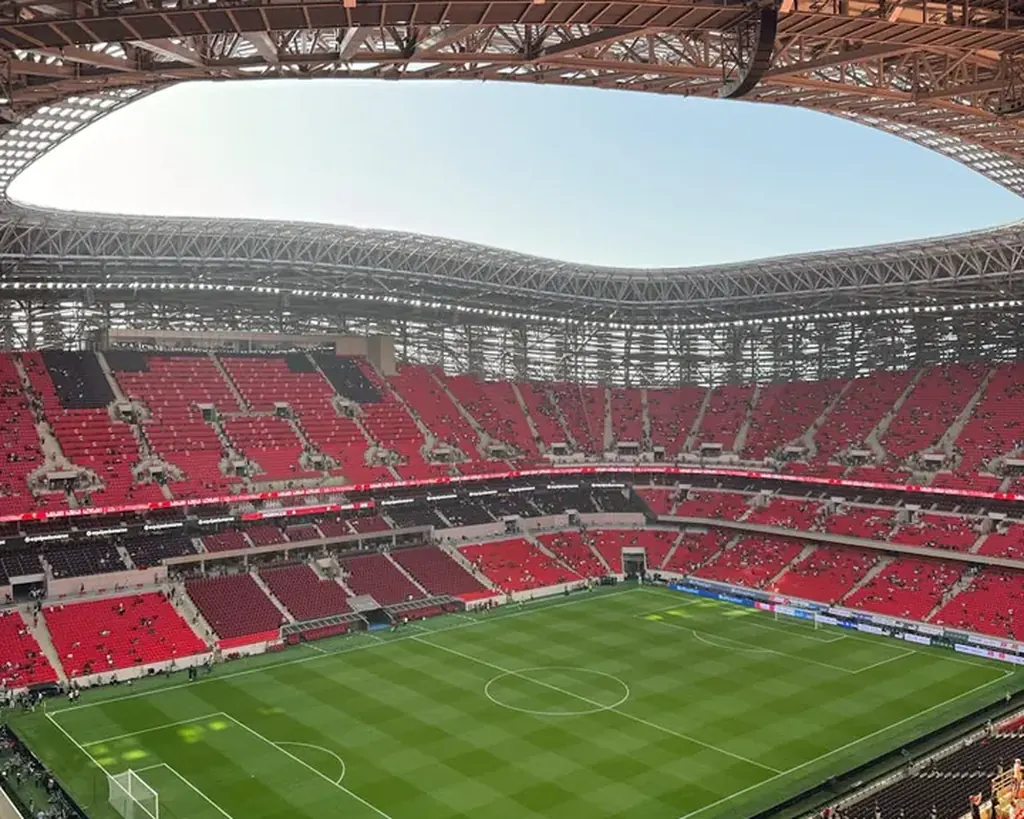
From its humble beginnings in Woolwich to its modern-day status as a Premier League powerhouse, Arsenal Football Club has accumulated a history rich with triumphs, transformations, and records that define English football. This pillar article serves as your definitive guide to the club’s journey, its most significant milestones, and the statistical achievements that have shaped its identity. Whether you are a lifelong supporter or a newcomer to the world of The Gunners, understanding this legacy is essential to appreciating what the club represents today.
The Foundation and Early Years
Arsenal’s story begins in 1886, when a group of workers at the Royal Arsenal in Woolwich, southeast London, decided to form a football club. Originally named Dial Square, the club quickly evolved into Royal Arsenal and later Woolwich Arsenal. For a deeper dive into these formative years, including the move to north London in 1913, visit our dedicated page on club foundation and early history. This relocation was a pivotal moment, setting the stage for the club to become a dominant force in the capital.
The early 20th century saw Arsenal establish itself in the top flight, but it was the appointment of Herbert Chapman in 1925 that truly revolutionized the club. Chapman introduced tactical innovations like the WM formation and oversaw the construction of the iconic East Stand at Highbury. His legacy includes the club’s first major trophy successes, laying the groundwork for the Arsenal identity we recognize today.
Trophy History and Silverware
Arsenal is one of the most decorated clubs in English football, with a trophy cabinet that reflects sustained excellence across different eras. The club’s record in the FA Cup is particularly noteworthy, holding the record for the most wins in the competition’s history. For a full breakdown of every major honor, including league titles, League Cups, and European successes, please refer to our comprehensive trophy history page.
The Premier League era brought unprecedented success under Arsène Wenger, most famously the 2003–04 “Invincibles” season, where the team went unbeaten in the league. This achievement remains a gold standard in modern football. The club has also enjoyed memorable European nights, reaching the UEFA Champions League final in 2006 and consistently competing at the highest level.
Legendary Players and Their Records
No discussion of Arsenal history is complete without acknowledging the players who have defined eras. From the legendary Thierry Henry, the club’s all-time leading goalscorer, to the defensive solidity of Tony Adams, these individuals have left an indelible mark. Our legendary players page profiles the careers of these icons, detailing their contributions and the records they set.
The club’s records are a testament to individual brilliance and collective effort. Below is a table summarizing some of the most significant statistical achievements in Arsenal’s history. These figures are based on official club records and historical data.

| Record Category | Record Holder | Details |
|---|---|---|
| All-Time Appearances | David O’Leary | The Irish defender holds the record for the most competitive appearances for the club, a testament to his longevity and consistency. |
| All-Time Goalscorer | Thierry Henry | The French striker is Arsenal’s all-time leading scorer, with his goals pivotal to the club’s success in the early 2000s. |
| Most Goals in a Season | Thierry Henry | Henry also holds the record for the most goals in a single Premier League season for the club, a mark of his prolific finishing. |
| Most Assists in a Season (Premier League) | Thierry Henry | Beyond goals, Henry’s creativity was unmatched, setting the club record for assists in a Premier League campaign. |
| Fastest Goal in Premier League | Alan Smith | Smith scored the club’s fastest Premier League goal, a record that stands as a testament to his sharpness in front of goal. |
| Most Clean Sheets in a Season | Arsenal Team (1998–99) | The defensive unit under Arsène Wenger set a club record for clean sheets in a Premier League season, highlighting their resilience. |
These records are not just numbers; they represent moments of magic and seasons of dominance that have thrilled fans for generations.
Stadium History: From Highbury to the Emirates
The club’s identity is intrinsically linked to its homes. Highbury, officially known as Arsenal Stadium, was the club’s spiritual home from 1913 to 2006. Its art deco architecture and intimate atmosphere made it one of the most beloved grounds in England. The move to the Emirates Stadium in 2006 was a strategic decision to increase revenue and compete with Europe’s elite, opening a new chapter in the club’s history. For a detailed architectural and historical comparison of both venues, explore our stadium history page.
The Emirates, with its capacity of over 60,000, has hosted countless memorable matches and continues to be a fortress for the modern Arsenal. The transition was not without its challenges, but the stadium now stands as a symbol of the club’s ambition and future.
Season-by-Season Data and Performance
Understanding Arsenal’s performance over time requires a look at the season-by-season data. The club’s journey through the Premier League era, from its inception in 1992 to the present day, is a story of consistency, near-misses, and glorious triumphs. Our season-by-season data page provides a comprehensive statistical overview, including final league positions, points totals, and key cup runs.
Below is a table summarizing the club’s performance in the Premier League over selected decades, illustrating the peaks and troughs of its modern history.
| Decade | Average League Finish | Notable Achievements |
|---|---|---|
| 1990s | 2nd | Won Premier League in 1997–98; consistent top-two finishes under George Graham and early Arsène Wenger. |
| 2000s | 3rd | “Invincibles” season (2003–04); three Premier League titles; consistent Champions League qualification; reached 2006 UCL final. |
| 2010s | 4th | Three FA Cup wins; consistent top-four finishes; transition period post-Wenger. |
| 2020s | 3rd | Return to title contention; strong defensive records; Champions League qualification re-established. |
This data underscores the club’s ability to adapt and compete, even during periods of transition.

Key Rivalries and Their Historical Context
Arsenal’s history is also defined by its rivalries, most notably with Tottenham Hotspur (the North London Derby) and Manchester United. These fixtures are more than just games; they are cultural events steeped in history and emotion. The rivalry with Spurs dates back to the early 20th century, fueled by geographical proximity and the controversial promotion of Arsenal to the top flight in 1919. Matches against Manchester United, particularly during the late 1990s and early 2000s, defined an era of English football, with both clubs vying for supremacy.
These rivalries have produced some of the most memorable moments in the club’s history, from last-minute winners to heated tactical battles. Understanding their context is crucial to appreciating the full narrative of Arsenal Football Club.
The Youth Academy and Future Legacy
Arsenal’s commitment to developing young talent is a cornerstone of its philosophy. The Hale End Academy has produced a steady stream of first-team players, from Ashley Cole and Cesc Fàbregas to more recent talents like Bukayo Saka and Emile Smith Rowe. This pipeline ensures that the club’s future is built on a foundation of homegrown talent, continuing a tradition that dates back to the days of the “Arsenal Boys” in the 1930s.
The academy’s success is not just about producing stars; it is about instilling the values and playing style that define Arsenal. This commitment to youth is a key reason why the club remains relevant and competitive in the modern game.
Conclusion: A Living History
Arsenal Football Club is not merely a collection of trophies and statistics; it is a living, breathing entity shaped by over a century of passion, innovation, and resilience. From the workers of Woolwich to the global fanbase of today, the club’s history is a testament to its enduring appeal. The records set by its players, the triumphs in its trophy cabinet, and the memories forged in its stadiums all contribute to a legacy that continues to grow.
As the club looks to the future, it does so with the weight of its history and the promise of new chapters yet to be written. Whether you are exploring the past through our detailed pages or watching the current squad at the Emirates, you are part of this ongoing story. The Highbury Dispatch is here to guide you through every step of that journey.
Reader Comments (0)