
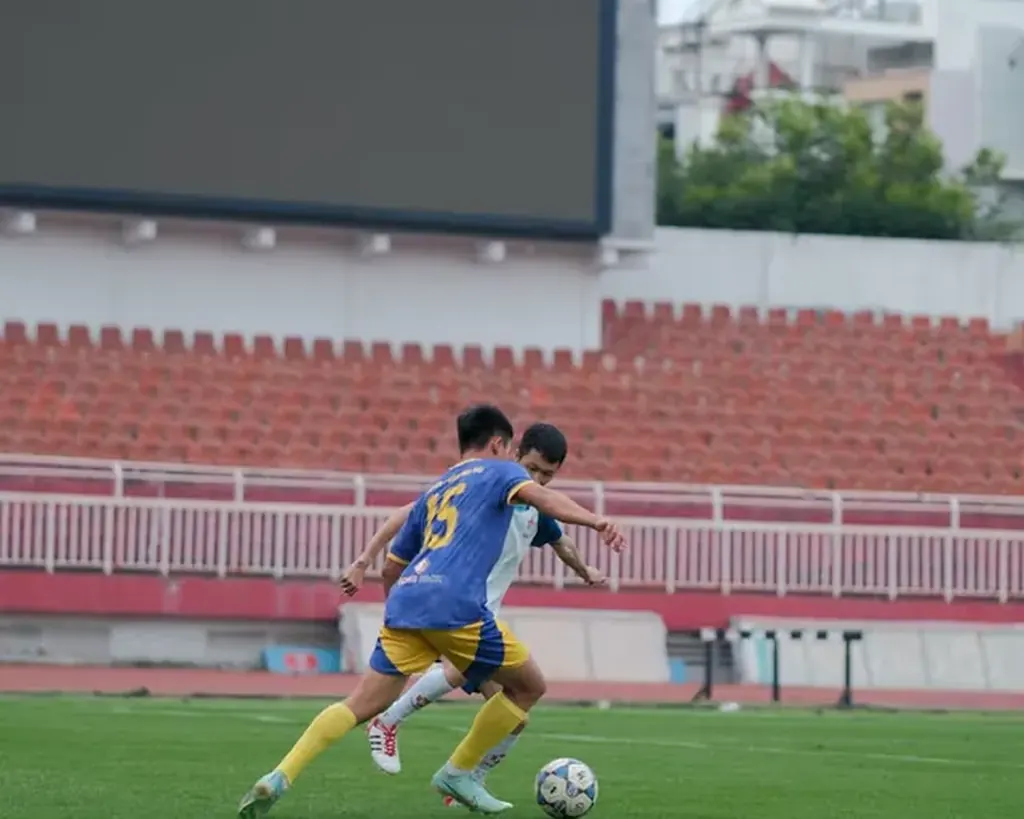
Overlapping Run
An overlapping run occurs when a full back advances beyond the winger or wide midfielder on their side of the pitch, receiving the ball in the final third to deliver a cross or cutback. In Arsenal’s system, this movement creates numerical superiority out wide and forces opposition defenders to make difficult decisions—either track the runner and leave space for the winger to cut inside, or stay narrow and allow the cross. The timing of the overlap is critical; if the full back starts the run too early, the defender can adjust, but if timed correctly, it can unlock even the most organized low blocks.Underlapping Run
Unlike the overlap, an underlapping run sees the full back charge into the half-space or central areas rather than staying wide. This variation is particularly effective against teams that defend deep with their full backs tucked in. When an Arsenal full back underlaps, they often receive the ball in dangerous pockets between the opposition’s midfield and defensive lines, allowing them to shoot, play a through ball, or combine with the striker. Underlaps have become a hallmark of modern full back play, especially under tactically flexible managers who encourage positional interchange.Inverted Full Back
An inverted full back is a defender who moves into central midfield when the team has possession, rather than staying wide. This tactical role has been central to Arsenal’s build-up play in recent seasons, allowing the team to create a numerical advantage in midfield without sacrificing defensive structure. When the full back inverts, one of the central midfielders can push higher, and the wide attacker stays high and wide to stretch the opposition. The success of this role depends heavily on the full back’s passing range, composure under pressure, and ability to read the game from a central position.Touchline Hugger
A touchline hugger is a full back who stays extremely wide, almost hugging the sideline, to maximize the width of the attack. This approach is common when Arsenal face compact defenses that try to clog central areas. By keeping the pitch as wide as possible, the touchline-hugging full back forces the opposition’s wide defender to stay wide, which can open gaps between the center backs and full backs. This role demands excellent stamina, as the player must constantly sprint up and down the flank for the full 90 minutes.Half-Space Entry
The half-space refers to the areas between the center of the pitch and the touchline—essentially the channels just inside the full back’s natural wide position. When Arsenal’s full backs receive the ball in these half-spaces, they often have more passing options and can either drive at the defense or play quick combinations. Entry into the half-space is often the trigger for an overlap or underlap, and it’s where many of Arsenal’s most dangerous attacking sequences begin.Crossing Zone
The crossing zone is the area on the pitch from which full backs typically deliver crosses—usually between the byline and the edge of the penalty area, and between the touchline and the edge of the six-yard box. Different crossing zones require different techniques: crosses from deep need loft and accuracy, while crosses from the byline often need to be driven or cut back. Arsenal’s full backs are often judged on their ability to consistently find teammates in these zones, particularly against teams that defend with a low block.Cutback Pass
A cutback is a pass played backward from the byline or the edge of the penalty area into the path of an oncoming midfielder or forward. For full backs, the cutback is often more effective than a direct cross because it’s harder for defenders to intercept and gives the attacking player more time to shoot. In Arsenal’s attacking patterns, full backs who master the cutback can unlock defenses that have packed the penalty area, as the ball is played into space rather than into a crowd.Defensive Transition Overlap
This term describes the moment when a full back who has overlapped must quickly recover to defend a counterattack. The defensive transition overlap is one of the most physically demanding aspects of the role—the full back has sprinted forward, often ending up near the opposition’s byline, and then must sprint back to their defensive position when possession is lost. Arsenal’s tactical setup often requires the covering center back or defensive midfielder to temporarily fill the full back’s position during these transitions, but the full back’s recovery speed is still crucial.Wide Pivot
A wide pivot occurs when the full back drops deeper and wider than usual to receive the ball from the goalkeeper or center backs, acting as a passing outlet under pressure. This role is especially important when Arsenal are building from the back against a high press. The wide pivot full back must be comfortable receiving the ball with their back to the sideline and have the composure to play forward passes or switch play to the opposite flank.Attacking Third Retention
This refers to the full back’s ability to keep possession in the final third, either by shielding the ball, playing quick combinations, or dribbling to draw fouls. Full backs who excel at attacking third retention prevent the opposition from launching counterattacks and give the rest of the team time to organize. For Arsenal, this skill is particularly valuable in matches where the opponent tries to sit deep and absorb pressure, as every lost ball in the attacking third can lead to a dangerous transition.Channel Runner
A channel runner is a full back who makes diagonal runs into the space between the opposition’s center back and full back. This movement is designed to exploit gaps in the defensive line and create one-on-one situations with the goalkeeper or force defensive errors. Channel runs are often timed to coincide with a pass from a midfielder or winger, and they require excellent timing and spatial awareness.Defensive Shape Recovery
When Arsenal lose the ball, the full backs must quickly retreat into their defensive shape. The defensive shape recovery involves dropping into a line with the center backs or, in some tactical setups, tucking into a back five. The speed and discipline of this recovery often determine whether the opposition can exploit the spaces Arsenal leave behind when attacking. Full backs who delay or misread the transition can leave their team exposed to quick counters.Pressing Trigger from Full Back
A pressing trigger is a specific signal that initiates a team-wide press. For Arsenal’s full backs, common pressing triggers include the opposition full back receiving the ball with their back to play, a loose touch near the touchline, or a pass played into a congested area. When the full back identifies a trigger, they close down aggressively, often supported by the winger and central midfielder on their side. Successful pressing triggers can win the ball back in dangerous areas and create quick scoring opportunities.Overload to Isolate
This tactical principle involves concentrating attacking players on one side of the pitch (the overload side) to draw the opposition defense across, then quickly switching play to the opposite flank where the full back is isolated against a single defender. Arsenal have used this pattern extensively, with the full back on the weak side often having time to control the ball and pick out a cross or shot. The success of this tactic depends on the full back’s ability to make the right decision when they find themselves in a one-on-one situation.False Full Back
A false full back is a defender who starts the match in the full back position but spends significant periods of the game in central midfield or even as an attacking midfielder. This role is an evolution of the inverted full back but with even more freedom to roam. The false full back can confuse opposition marking schemes and create unexpected passing lanes, but it requires exceptional tactical intelligence and stamina to fulfill both defensive and attacking duties.Recovery Run
A recovery run is the sprint a full back makes to get back into a defensive position after being caught upfield. This is one of the most important athletic attributes for any full back in Arsenal’s system, as the team often commits numbers forward. Recovery runs are not just about speed—they also require good decision-making about which opponent to track and when to slide into a covering position.Wide Center Back in Possession
In Arsenal’s build-up play, the full backs sometimes drop so deep that they effectively become wide center backs for a moment. This happens when the team uses a back three in possession, with the full backs tucking in alongside the center backs. The wide center back in possession role allows the wingers to push higher and wider, and it can help Arsenal bypass the opposition’s first line of pressure. However, it requires the full back to be comfortable receiving the ball in tight spaces and playing accurate long passes.Half-Turn
A half-turn is a body position that allows the full back to receive the ball while already facing forward, rather than with their back to the opposition goal. Full backs who master the half-turn can accelerate into attacking transitions more quickly and are harder to press. In Arsenal’s system, the half-turn is often coached as a fundamental skill for full backs receiving passes from the goalkeeper or center backs, as it can turn a defensive situation into an attacking opportunity in one movement.Dribbling into the Final Third
This refers to the full back’s ability to carry the ball forward into the attacking third, either by dribbling past an opponent or by driving into space. Full backs who can dribble into the final third create chaos in the opposition’s defensive structure, as defenders must decide whether to close them down or stay with their assigned markers. Arsenal’s full backs are often encouraged to take on their direct opponent in one-on-one situations, particularly when the winger has drawn defenders inside.Combination Play with Winger
The relationship between the full back and the winger on their side is one of the most important partnerships in Arsenal’s attacking play. Combination play can involve short passes, overlaps, underlaps, or quick give-and-go moves. When the full back and winger develop a strong understanding, they can unlock even the most disciplined defenses through repeated patterns of movement and passing. This partnership often requires hours of training ground work to perfect the timing and angles of their combinations.Defensive Line Coordination
Full backs must constantly communicate with the center backs to maintain a consistent defensive line, especially when playing a high line. Defensive line coordination involves stepping up together to catch opponents offside, dropping together to defend deep crosses, and shifting across the pitch as a unit. Arsenal’s full backs are often the ones who trigger these movements, as they have a better view of the wide areas and can see when the opposition is about to play a through ball.What to Check
When evaluating how Arsenal’s full backs perform these overlapping and underlapping roles, focus on the tactical setup for each match. Different opponents require different approaches—some matches might call for more overlaps to stretch a narrow defense, while others might favor underlaps to exploit a high line. The full back’s individual strengths also matter: a player with excellent crossing ability might be used more as a touchline hugger, while one with good passing range might be asked to invert. Always check the official matchday lineup and post-match analysis from reliable sources to understand the specific tactical instructions given to the full backs. For further reading on how full back movements connect to the wider tactical system, explore our guides on Arsenal tactics and fan content, pressing tactics at Arsenal, and build-up play at Arsenal.

Reader Comments (0)