
What Is Build-Up Play in Football, Specifically for Arsenal?
Build-up play is the phase of possession that starts when a team has the ball in its own defensive or middle third and tries to progress it into the attacking third under pressure from the opponent. For Arsenal under Mikel Arteta, this phase has become a defining tactical identity—often described as “structured freedom,” where every outfield player knows their role in a pre-planned pattern, yet has the license to improvise when space opens up. Unlike some teams that rely on long balls or direct counter-attacks, Arsenal’s build-up is patient, horizontal, and designed to lure the opposition into pressing before exploiting the gaps they leave behind.
The term “build-up play” in the Arsenal context is closely tied to the concept of positional play, a philosophy popularized by Pep Guardiola and refined by Arteta during his time as assistant coach at Manchester City. It’s not just about passing the ball out from the back; it’s about creating numerical advantages, manipulating the opponent’s defensive shape, and ensuring that every pass has a purpose. For a fan wanting to understand why Arsenal sometimes looks dominant in possession but vulnerable to counter-attacks, the build-up phase is the key to that puzzle.
Key Terms in Arsenal’s Build-Up Play
### 3-2-5 Formation in Possession
When Arsenal builds from the back, the full-backs often invert into midfield, creating a 3-2-5 shape. The three defenders (typically two center-backs and the goalkeeper) stay deep, while the two holding midfielders (often the inverted full-back and a central midfielder) form a double pivot. The five attackers spread across the final third. This shape is designed to create overloads against any defensive block—if the opponent presses with two forwards, the three defenders have a numerical advantage; if they press with three, the midfield duo becomes harder to mark.
### Inverted Full-Back
An inverted full-back is a defender who, when the team has possession, moves inside to central midfield rather than staying wide. For Arsenal, this role is often played by Oleksandr Zinchenko or Takehiro Tomiyasu, depending on the match. The purpose is to create a numerical advantage in midfield, allowing Arsenal to control the center of the pitch. It also allows the winger to stay high and wide, stretching the opponent’s defense. The trade-off is that the full-back’s original flank becomes exposed if the team loses the ball.
### Goalkeeper as the 11th Outfield Player
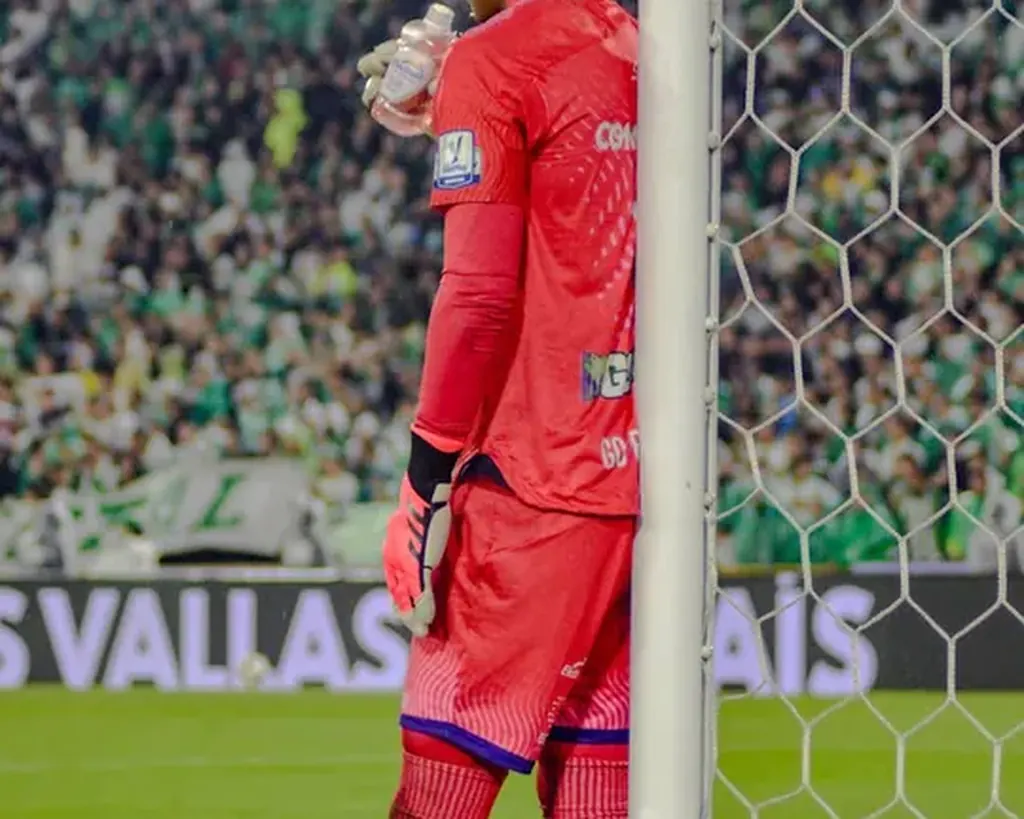
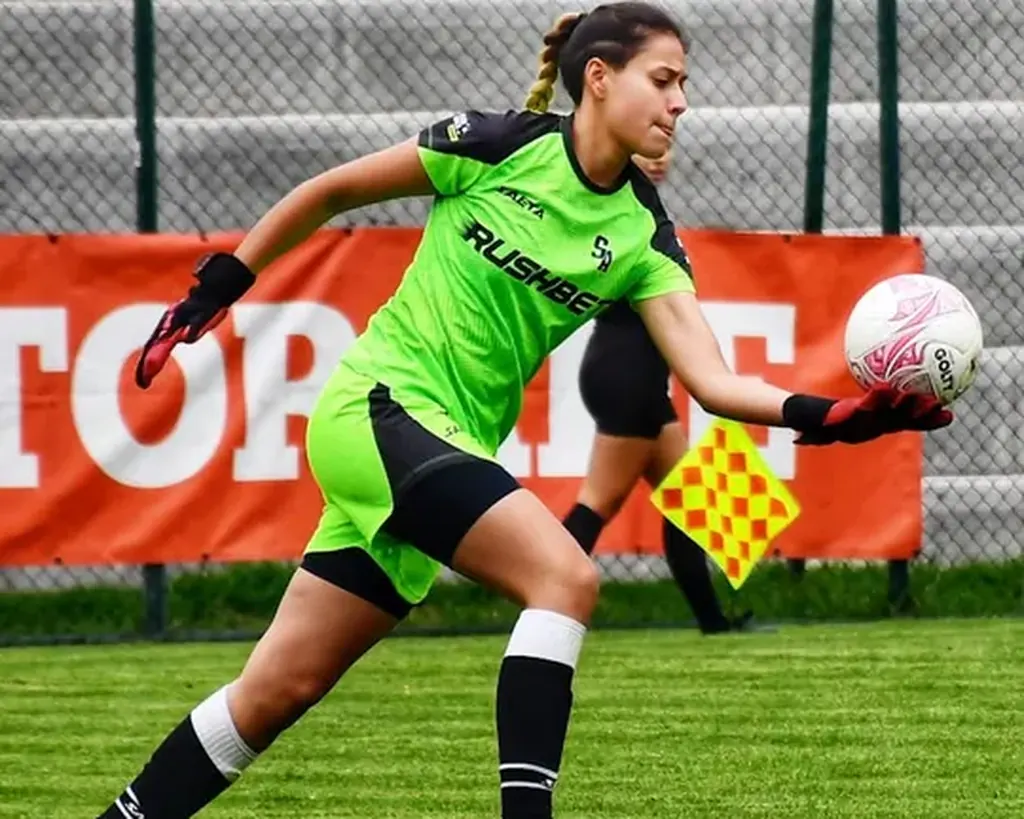
Arsenal’s goalkeeper is expected to be comfortable with the ball at their feet and capable of playing short passes under pressure. This isn’t just about distribution; it’s about being the first link in the build-up chain. The goalkeeper often drops between the center-backs to create a 3v2 against the opponent’s first line of pressure. This role requires excellent composure and passing accuracy, as a mistake in this area can lead to a high-quality chance for the opposition.
### Half-Space
The half-space is the area between the central channel and the wide channel, roughly where the “number 10” or “inside forward” operates. In Arsenal’s build-up, players like Martin Ødegaard or Kai Havertz often receive the ball in the half-space, turning to face the goal and linking midfield to attack. This area is crucial because it’s harder for defenders to cover—if they step out, they leave a gap in the center; if they stay central, the player in the half-space has time and space to pass or shoot.
### Numerical Superiority
Numerical superiority means having more players than the opponent in a specific zone of the pitch. Arsenal’s build-up is built around creating these overloads—for example, having three defenders against two forwards, or four midfielders against three. The idea is that if you have an extra player, someone will always be free to receive the ball. This is why you often see Arsenal passing around the opponent’s press: they’re not just keeping the ball; they’re waiting for the moment when the extra man becomes decisive.
### Press Resistance
Press resistance is a player’s ability to keep the ball under pressure from an opponent. In Arsenal’s build-up, this is a non-negotiable attribute for defenders and midfielders. Players like William Saliba and Declan Rice are highly press-resistant because they can shield the ball, turn under pressure, or play a quick pass to a teammate. Without press resistance, the build-up breaks down, and the team becomes vulnerable to turnovers in dangerous areas.
### The “Jorginho Pass”
Named after the Italian midfielder who joined Arsenal in January 2023, this refers to a specific type of pass that breaks the first line of pressure. It’s a quick, vertical pass played between two opposing defenders, often into the feet of a midfielder or forward who has dropped deep. Jorginho’s ability to spot these passes and execute them with precision has made him a key option when Arsenal needs to bypass a high press.
### Rotation in the Final Third
While build-up play often focuses on the first two-thirds of the pitch, the final third rotation is equally important. Arsenal’s forwards frequently swap positions—the left winger might drift inside, the striker might drop deep, and the right winger might hug the touchline. This rotation creates confusion for the opponent’s defenders, who have to decide whether to follow their man or hold their position. The build-up play is designed to create the platform for these rotations to happen.
### The “False Full-Back”
A variation of the inverted full-back, the false full-back starts wide but moves into a central attacking midfield position rather than a defensive midfield one. This is rarer in Arsenal’s system but has been used when the team needs an extra creative player in the center. It’s a more aggressive version of the inverted role, as the full-back essentially becomes a number 10 in possession.
### The “Gabriel Pass”
Gabriel Magalhães is known for his aggressive, line-breaking passes from the left center-back position. Unlike many center-backs who play safe sideways passes, Gabriel often drives the ball forward into midfield or switches play to the opposite flank with a long diagonal. This pass is a key part of Arsenal’s build-up because it forces the opponent to shift across the pitch, creating space in the middle.
### The “Rice Carry”
Declan Rice is exceptional at carrying the ball forward from deep positions. When Arsenal’s build-up is stalled, Rice often picks up the ball in the defensive third and drives through midfield, bypassing the opponent’s press. This isn’t just about dribbling; it’s about timing—knowing when to carry versus when to pass. A successful carry can pull defenders out of shape and create space for teammates.
### The “Ødegaard Turn”
Martin Ødegaard’s ability to receive the ball on the half-turn and immediately face the goal is one of Arsenal’s key weapons in the build-up. When he receives the ball in the half-space, he often uses a quick body feint to create a yard of space, then plays a forward pass or dribbles toward the box. The “Ødegaard turn” refers to this specific movement—a combination of awareness, technique, and decision-making.
### The “Saka Switch”
Bukayo Saka is often the target of Arsenal’s build-up on the right side. When the team switches play from left to right, Saka receives the ball in space, usually with the opponent’s left-back isolated against him. The “Saka switch” is the long diagonal pass that finds him in this position, often played by Gabriel or Thomas Partey. It’s a simple but effective way to create 1v1 opportunities.
### The “White Overlap”
Ben White, when playing as a right-back, often overlaps Saka on the outside. This means White runs beyond Saka, forcing the opponent’s left-back to decide whether to follow White or stay with Saka. If they follow White, Saka can cut inside; if they stay with Saka, White receives the ball in space. The overlap is a classic build-up pattern that Arsenal uses to create width on the right side.
### The “Zinchenko Underlap”
Unlike the overlap, the underlap sees the full-back run inside the winger rather than outside. Oleksandr Zinchenko often underlaps when playing as an inverted full-back, moving into the half-space and creating a passing option between the lines. This is harder to defend because the opponent’s midfielder has to track the run, leaving space elsewhere.
### The “Nketiah Drop”
Eddie Nketiah, when playing as the striker, often drops deep into midfield to receive the ball, dragging the opponent’s center-back with him. This creates space behind for the wingers or midfield runners. The “Nketiah drop” is a specific movement pattern that Arsenal uses when they need to break a low block—it forces the defense to decide whether to follow the striker or hold their line.
### The “Havertz Hold-Up”
Kai Havertz, when playing as a false nine or attacking midfielder, uses his height and strength to hold up the ball with his back to goal. This allows Arsenal’s midfielders to join the attack, creating a temporary numerical advantage in the final third. The “Havertz hold-up” is a key part of Arsenal’s build-up when they need to play the ball long and then build from the second ball.
### The “Saliba Line-Breaking Pass”
William Saliba is known for his ability to play vertical passes that break the opponent’s defensive lines. Unlike many center-backs who play safe passes, Saliba looks for forward passes into midfield or attack. This is a high-risk, high-reward aspect of Arsenal’s build-up—if the pass is successful, the team advances quickly; if it’s intercepted, the defense is exposed.
### The “Partey Pivot”
Thomas Partey, when fit, is the midfield anchor in Arsenal’s build-up. He sits in front of the defense, receives the ball from the center-backs, and distributes it to the more advanced players. The “Partey pivot” refers to his ability to turn under pressure and play forward passes, breaking the opponent’s press. Without him, Arsenal’s build-up often becomes more horizontal and less dangerous.
### The “Raya Distribution”
David Raya, Arsenal’s first-choice goalkeeper since the 2023-24 season, is known for his exceptional distribution. He can play short passes to the center-backs, long passes to the wingers, or quick throws to the full-backs. The “Raya distribution” is a key part of Arsenal’s build-up because it allows the team to switch play quickly or bypass the press entirely.
### The “Trossard Cutback”
Leandro Trossard, when playing on the left wing, often receives the ball in the half-space and plays a cutback pass to a midfielder or the opposite winger. This is a common pattern in Arsenal’s build-up when the opponent’s defense is narrow—the cutback creates a shooting opportunity for a player arriving late in the box.
### The “Martinelli Run”
Gabriel Martinelli is known for his explosive runs in behind the opponent’s defense. In Arsenal’s build-up, these runs are often timed to coincide with a pass from the left center-back or the inverted full-back. The “Martinelli run” is a threat that forces the opponent’s right-back to drop deep, creating space for the midfielders to operate.
### The “Odegaard Press”
While not strictly part of the build-up phase, Martin Ødegaard’s pressing after losing the ball is a key part of Arsenal’s ability to maintain possession. The “Ødegaard press” refers to his relentless chasing of the ball, often forcing the opponent into a bad pass that Arsenal can intercept. This press is the first line of defense after a failed build-up.
### The “Arteta Touchline Instructions”
Mikel Arteta is known for his intense touchline presence, often shouting instructions to his players during the build-up phase. These instructions are usually about positioning—telling a full-back to stay wide or a midfielder to drop deeper. The “Arteta touchline instructions” are a reminder that build-up play isn’t just about the players; it’s about the manager’s ability to read the game and adjust the system in real time.
What to Check When Analyzing Arsenal’s Build-Up Play
When watching Arsenal’s build-up, pay attention to a few key indicators. First, look at the goalkeeper’s position—if they’re playing high, it’s a sign that Arsenal intends to build from the back. Second, watch the full-backs: are they inverting or staying wide? This tells you which shape Arsenal is using. Third, notice the center-backs: are they passing sideways or looking for forward passes? Fourth, observe the midfielders: are they dropping deep to receive the ball or staying high? Finally, watch the forwards: are they making runs in behind or dropping deep? These cues will help you understand whether Arsenal’s build-up is working or if they’re about to lose possession.
For a deeper dive into Arsenal’s tactical approach, check out our Arsenal Tactics Fan Content hub. If you’re new to analyzing football tactics, our Arsenal Tactics for Beginners guide is a great starting point. And for historical context on how build-up play has evolved in Arsenal’s biggest rivalries, read our piece on Arsenal vs Man United History.
Reader Comments (0)