
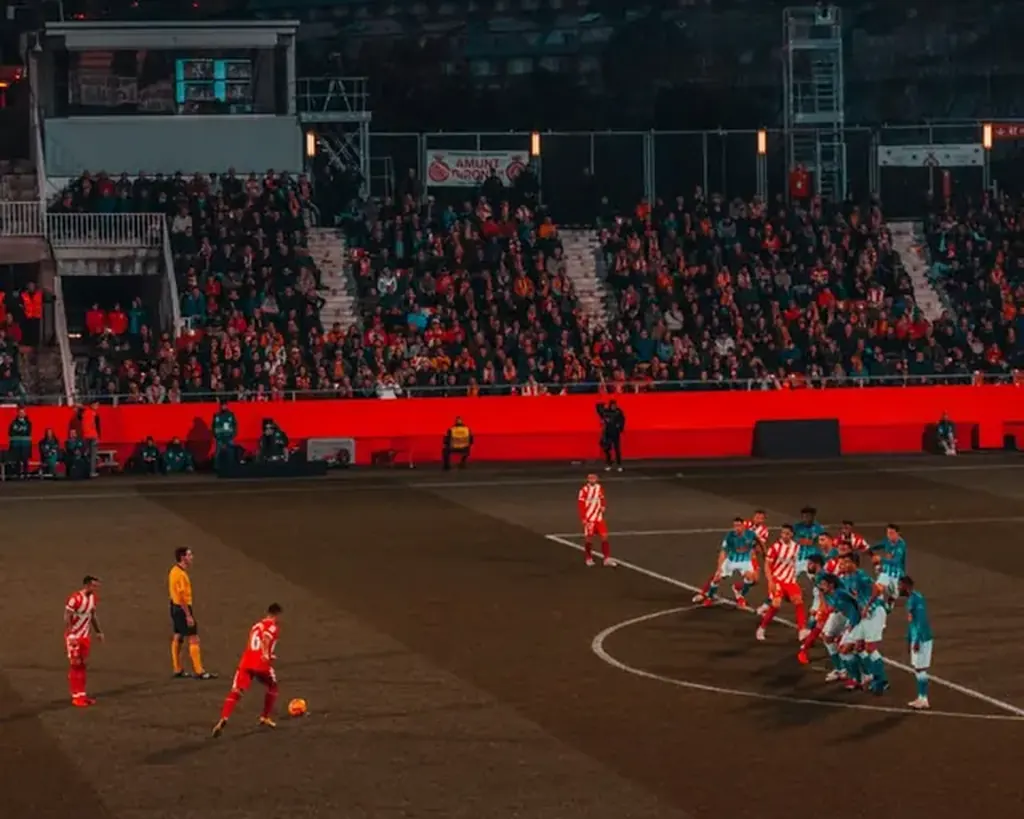
The history of Arsenal Football Club is interwoven with the stories of prodigious talents who first pulled on the famous red and white shirt while still in their teens. From the early days at Woolwich Arsenal to the modern era at the Emirates Stadium, the club has consistently trusted its youth academy and scouting network to identify players capable of performing at the highest level long before they reached their physical or technical peak. These debutants did not merely make up the numbers; several went on to become cornerstones of legendary sides, while others provided fleeting but unforgettable glimpses of potential. Understanding who these players were, the circumstances of their debuts, and the records they set offers a unique lens through which to view the club’s developmental philosophy and its enduring commitment to nurturing homegrown talent.
### Cesc Fàbregas
The Spanish midfielder remains one of the most celebrated teenage talents in Arsenal’s modern history. Signed from Barcelona’s La Masia academy as a 16-year-old, Fàbregas made his first-team debut in a League Cup tie in October 2003. His competitive Premier League debut followed shortly after, and by the end of the 2003–04 Invincibles season, he had already collected a league winner’s medal. Fàbregas’s composure, vision, and passing range were extraordinary for his age, and he quickly became a regular under Arsène Wenger. He went on to captain the side and set numerous appearance and assist records before returning to Barcelona, but his early breakthrough remains a defining moment in the club’s commitment to youth.
### Jack Wilshere
A product of the Hale End Academy, Jack Wilshere’s Arsenal debut came at the age of 16 in a Premier League match in September 2008. His emergence was eagerly anticipated by supporters who had followed his progress through the youth ranks. Wilshere’s fearless style, technical ability, and tenacity made him an instant fan favourite. His standout performances in the 2010–11 season, particularly in Champions League ties against Barcelona, cemented his reputation as one of Europe’s brightest midfield prospects. Though injuries later curtailed his career, his early years at Arsenal remain a testament to the academy’s ability to produce players capable of performing on the biggest stage.
### Theo Walcott
Signed from Southampton as a 16-year-old for an initial fee that could rise significantly based on appearances, Theo Walcott made his Arsenal debut at 17 in a League Cup match in August 2006. His pace and direct running immediately set him apart. Walcott was famously included in England’s 2006 World Cup squad before he had made a Premier League start for Arsenal. Over his decade-long stay at the club, he developed from a raw winger into a prolific goalscorer, finishing as the club’s top scorer in several seasons. His early debut was a statement of intent from Wenger, who believed in investing in exceptional young talent even before they had fully matured physically.
### Ashley Cole
Before becoming one of the world’s most decorated left-backs, Ashley Cole made his Arsenal debut as an 18-year-old in a League Cup tie in November 1999. A product of the club’s youth system, Cole initially struggled for opportunities behind established defenders but seized his chance when injuries struck. His marauding runs down the left flank and improving defensive awareness quickly made him indispensable. Cole was a key member of the Invincibles squad and won two Premier League titles and three FA Cups with Arsenal before his controversial move to Chelsea. His journey from academy graduate to world-class full-back exemplifies the pathway that many young Arsenal players have aspired to follow.
### Tony Adams
A one-club legend and the club’s most iconic captain, Tony Adams made his Arsenal debut at the age of 17 in a First Division match in November 1983. His maturity and leadership were evident from the start. Adams went on to make over 650 appearances for the club, winning four league titles and three FA Cups. He was the bedrock of George Graham’s famous back four and later adapted successfully under Wenger. His debut at such a young age in a physically demanding era of English football underlined his exceptional character and ability. Adams remains the youngest player to captain Arsenal in a league match, a record that speaks to his extraordinary early development.
### David Rocastle
A beloved figure in Arsenal’s history, David Rocastle made his first-team debut at 17 in a League Cup tie in September 1984. Known affectionately as “Rocky,” Rocastle’s flair, dribbling, and ability to score from midfield made him a standout performer in the late 1980s and early 1990s. He was a key part of the 1988–89 title-winning side and won two league championships with the club. His premature death in 2001 at the age of 33 added a tragic dimension to his legacy, but his early breakthrough remains a source of pride for the academy system that produced him. Rocastle’s style embodied the creativity and joy that Arsenal supporters cherish.
### Ray Parlour
The “Romford Pele,” as he was affectionately nicknamed, made his Arsenal debut at 18 in a League Cup match in September 1991. Parlour’s early years were marked by persistence and gradual improvement. Initially a winger, he developed into a tireless central midfielder who became a mainstay of the successful Wenger era. He was a crucial part of the 1997–98 double-winning side and the 2001–02 double winners. His longevity and consistency, built on a foundation laid during his teenage years at the club, made him one of the most underrated players in Arsenal’s modern history.
### Martin Keown
A commanding central defender, Martin Keown made his Arsenal debut as an 18-year-old in a League Cup tie in October 1984. After a brief departure to Aston Villa, he returned to become a cornerstone of the club’s defence in the late 1990s and early 2000s. Keown’s aggressive style and organisational skills made him a nightmare for opposing attackers. He was a key member of the Invincibles squad and won three league titles with the club. His early debut, followed by a period of development away from the club, illustrates that the path to becoming a first-team regular is not always linear for young players.
### Paul Merson
A gifted attacking midfielder and winger, Paul Merson made his Arsenal debut at 18 in a League Cup tie in November 1986. Merson’s trickery, close control, and eye for goal made him a fan favourite during a period of transition for the club. He was a key figure in the 1988–89 and 1990–91 title-winning teams. His career was later affected by personal struggles, but his early potential was undeniable. Merson’s debut at a young age in a competitive side highlighted the club’s willingness to blood young talent even when experienced alternatives were available.
### Steve Morrow
A versatile defender, Steve Morrow made his Arsenal debut at 18 in a League Cup tie in September 1989. His most famous moment came when he scored the winning goal in the 1993 League Cup final, only to be accidentally dropped by Tony Adams during the post-match celebrations, resulting in a broken arm. Morrow’s career at Arsenal was hampered by injuries, but his early debut and subsequent contributions to the first team demonstrated that even less heralded academy products could make meaningful contributions to the senior side.
### John Radford
A prolific striker from a bygone era, John Radford made his Arsenal debut at 17 in a First Division match in April 1964. He went on to become one of the club’s all-time leading goalscorers, netting 149 goals in 481 appearances. Radford was a key member of the 1970–71 double-winning side, scoring in the FA Cup final replay against Liverpool. His early debut and subsequent success established a tradition of young forwards breaking into the Arsenal first team and making a lasting impact.
### Cliff Bastin
One of Arsenal’s greatest-ever players, Cliff Bastin made his debut at 17 in a First Division match in October 1929. Bastin was a prodigious goalscorer from the left wing, netting 178 goals for the club—a record that stood for decades. He was a key figure in the dominant Arsenal sides of the 1930s, winning five league titles and two FA Cups. His early emergence under Herbert Chapman set a benchmark for young players at the club. Bastin’s career, tragically shortened by the Second World War, remains a testament to the impact a teenage debutant can have on the club’s history.
### David O’Leary
The club’s all-time appearance holder with 722 games, David O’Leary made his Arsenal debut at 17 in a First Division match in October 1975. The Irish centre-back’s composure and reading of the game were exceptional for his age. He went on to serve the club for two decades, winning two league titles and two FA Cups. O’Leary’s longevity and consistency, built on a foundation laid during his teenage years, make him one of the most remarkable examples of a young debutant developing into a club legend.
### Pat Rice
A loyal servant to Arsenal as both player and assistant manager, Pat Rice made his debut at 18 in a First Division match in March 1967. The Northern Irish full-back was a key member of the 1970–71 double-winning side and later served as the club’s captain. After retiring, he returned as a coach and was part of the backroom staff during the Invincibles season. Rice’s journey from teenage debutant to club captain and then to assistant manager embodies the deep connection between the club and its homegrown talent.
### Liam Brady
One of the most technically gifted players ever to wear the Arsenal shirt, Liam Brady made his debut at 18 in a First Division match in October 1973. The Irish midfielder’s vision, passing, and dribbling ability made him the creative heartbeat of the team in the mid-1970s. He was instrumental in the club’s run to the 1980 European Cup Winners’ Cup final. Brady’s early breakthrough, followed by a move to Juventus, demonstrated that Arsenal could produce world-class talent capable of thriving at the highest level.
### What to Check When Researching Youngest Debutants
When verifying claims about Arsenal’s youngest-ever players, it is essential to consult official club records and reliable statistical databases. The exact age of a player on debut can vary depending on the source, particularly for matches from the early 20th century where birth dates may be disputed. For modern players, the Premier League’s official website and the club’s historical archives provide accurate data. For older records, reputable historical accounts and match reports from the time should be cross-referenced. Always distinguish between competitive first-team debuts and friendly appearances, as the latter are not typically included in official records. The club’s academy and first-team debut records are maintained by the Arsenal FC History section of the official website.
Reader Comments (0)