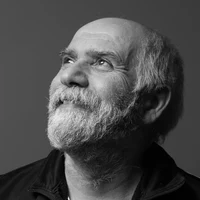

The Dawn of a New Era
When Arsène Wenger walked through the doors of Highbury in September 1996, few could have predicted the seismic shift he would bring to English football. Arsenal Football Club, then a storied institution with a proud defensive tradition under George Graham, was about to undergo a transformation that would redefine not just the club, but the Premier League itself. Wenger arrived as a relatively unknown Frenchman, a former manager of Monaco and Nagoya Grampus Eight, carrying with him revolutionary ideas about nutrition, training methods, and tactical philosophy that would challenge the very foundations of English football's culture.
The appointment was met with skepticism. British media questioned how a foreign manager, one who had never played or managed in England, could succeed in the rough-and-tumble world of the Premier League. Yet within months, Wenger would begin dismantling these doubts, piece by piece, match by match. His arrival marked the beginning of a 22-year tenure that would produce three Premier League titles, seven FA Cups, and a legacy that extends far beyond the trophy cabinet.
The Cultural Overhaul: From Bootroom to Boardroom
Wenger's most immediate impact was not tactical but cultural. He inherited a squad known for its physicality and reliance on the famous Arsenal back four—Tony Adams, Steve Bould, Martin Keown, and Nigel Winterburn—who had been drilled in the art of offside traps and disciplined defending under Graham. Yet Wenger saw potential for evolution rather than revolution.
He introduced dietary changes that seemed radical at the time. Players were instructed to avoid alcohol, reduce sugar intake, and adopt a more scientific approach to hydration and recovery. The traditional post-match pint was replaced by protein shakes, and the infamous "Thursday night drinking sessions" became a relic of the past. Wenger also implemented yoga sessions and pilates, practices that were virtually unheard of in English football. Tony Adams, the club's legendary captain, later credited Wenger with extending his career by several years through these methods.
The training ground at London Colney was transformed into a state-of-the-art facility. Wenger insisted on high-quality pitches that mimicked match conditions, and he introduced video analysis sessions that allowed players to study opposition tactics in unprecedented detail. This attention to detail created a professional environment that attracted players from across Europe who were eager to work under a manager who prioritized intelligence and technique over brute force.
The Tactical Blueprint: Fluidity and Technical Excellence
On the pitch, Wenger's philosophy was built on three pillars: technical superiority, tactical flexibility, and attacking intent. His Arsenal teams were known for their fluid passing, intelligent movement, and the ability to switch between formations seamlessly. The early years saw a 4-4-2 system that utilized the pace of Marc Overmars and Nicolas Anelka, but as the squad evolved, so did the tactics.
The 1997-98 double-winning season was a masterclass in Wenger's methods. Arsenal finished the Premier League season with 78 points, winning the title by a single point over Manchester United, and then defeated Newcastle United 2-0 in the FA Cup final. The team's defensive solidity, built around Adams and goalkeeper David Seaman, combined with the attacking flair of Dennis Bergkamp and the emerging talent of Anelka, created a balanced unit that could dominate possession and strike on the counter.
By the early 2000s, Wenger had refined his approach further. The arrival of Thierry Henry, initially a winger converted into a central striker, revolutionized Arsenal's attacking play. Henry's movement, pace, and finishing ability made him the focal point of a system that emphasized quick transitions and intelligent off-the-ball runs. The midfield trio of Patrick Vieira, Emmanuel Petit, and later Gilberto Silva provided the physical presence and distribution needed to control games.

Table: Key Tactical Shifts Under Wenger (1996-2018)
| Period | Primary Formation | Key Tactical Principle | Notable Players |
|---|---|---|---|
| 1996-2000 | 4-4-2 | Counter-attacking with defensive solidity | Bergkamp, Overmars, Adams, Vieira |
| 2000-2006 | 4-4-2 / 4-2-3-1 | Fluid attacking football, high defensive line | Henry, Pires, Ljungberg, Campbell |
| 2006-2010 | 4-4-1-1 / 4-3-3 | Possession-based, technical midfield | Fabregas, van Persie, Nasri, Song |
| 2010-2018 | 4-2-3-1 / 3-4-3 | Transitional football, pressing | Ozil, Sanchez, Ramsey, Koscielny |
The Invincibles: A Season for the Ages
The 2003-04 season stands as the crowning achievement of Wenger's revolution. Arsenal went the entire Premier League campaign unbeaten, a feat that had not been accomplished since Preston North End in the 1888-89 season. The team, known as "The Invincibles," won 26 matches and drew 12, accumulating 90 points and finishing 11 points ahead of second-placed Chelsea.
What made this achievement remarkable was not just the unbeaten record, but the manner in which it was achieved. Arsenal played with a swagger and confidence that bordered on arrogance. The attacking trio of Henry, Robert Pires, and Freddie Ljungberg, supported by the creative genius of Bergkamp and the defensive solidity of Sol Campbell and Kolo Touré, created a team that could score from anywhere on the pitch. Henry scored 30 goals in the league, while Pires contributed 14 and Ljungberg added 10.
The Invincibles were more than just a team; they were a statement. Wenger had assembled a squad that combined technical excellence with mental resilience. Players like Ray Parlour, who had been at the club before Wenger's arrival, adapted to the new philosophy and became key contributors. The unbeaten run stretched to 49 league matches, a record that stood until it was ended by Manchester United in October 2004.
The Highbury Farewell and Emirates Transition
The move from Highbury to the Emirates Stadium in 2006 was both a practical necessity and a symbolic turning point. Highbury, with its iconic marble halls and intimate atmosphere, had been Arsenal's home since 1913. The new 60,000-seat stadium, built just a few hundred yards away, represented a bold step into the future. Wenger was instrumental in the design and planning of the Emirates, ensuring that the pitch dimensions and facilities would support his preferred style of play.
However, the financial burden of the stadium construction created constraints that would shape the next decade. Arsenal entered a period of fiscal austerity, selling key players to service debt. The departures of Vieira in 2005, Henry in 2007, and later Cesc Fabregas and Robin van Persie, were driven in part by the need to balance the books. Wenger, who had previously been able to compete with the biggest spenders in Europe, now had to rely on his ability to develop young talent and identify undervalued players.
This period, often referred to as the "banter era" by critics, saw Arsenal consistently finish in the top four but fail to mount a serious title challenge. The team reached the Champions League final in 2006, losing 2-1 to Barcelona, but the trophy drought stretched from 2005 to 2014. Wenger's refusal to abandon his principles, even when results were disappointing, became a source of both admiration and frustration among supporters.
The FA Cup Renaissance and Later Years
The 2013-14 season marked a turning point. Arsenal ended a nine-year trophy drought by winning the FA Cup, defeating Hull City 3-2 in a dramatic final. The victory was a cathartic moment for Wenger and the club, silencing critics who had questioned whether his methods were still relevant. The following season, Arsenal retained the FA Cup with a 4-0 win over Aston Villa, becoming the most successful club in the competition's history with 12 titles.
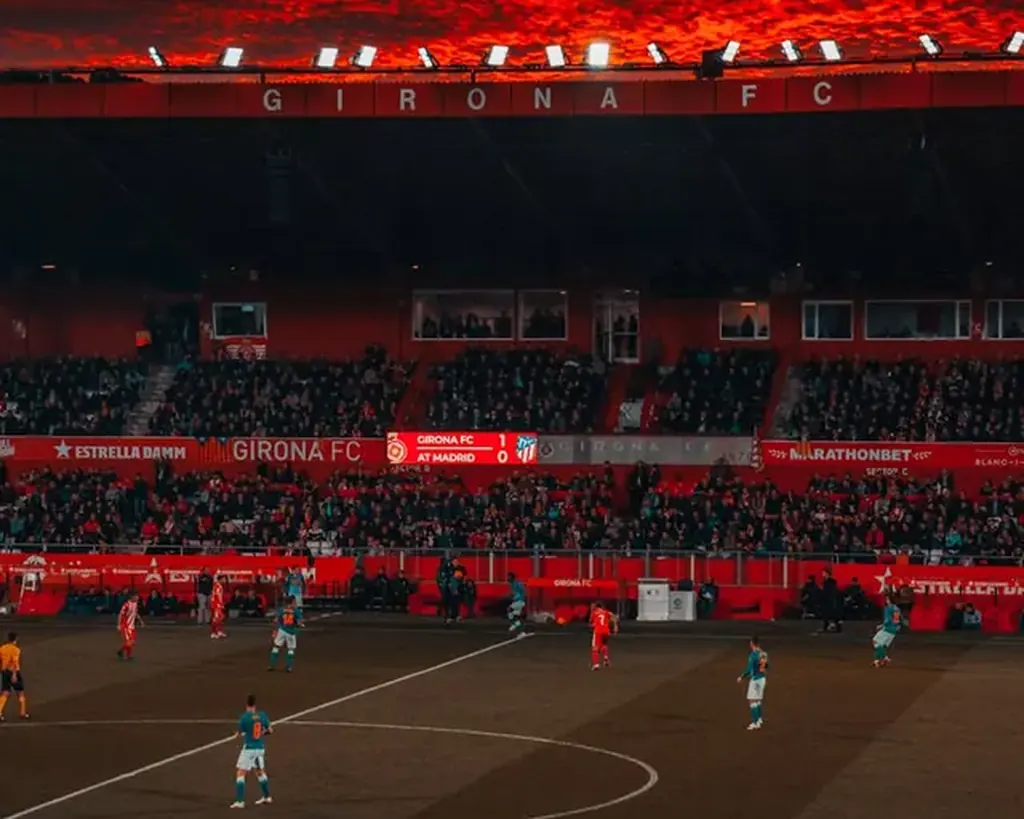
Wenger's later years were characterized by tactical adaptation. He moved to a 3-4-3 formation in 2016-17, a system that allowed the team to be more defensively solid while maintaining attacking fluidity. The signing of players like Alexis Sanchez and Mesut Ozil added creativity and flair, but inconsistency remained a persistent issue. Arsenal finished fifth in the Premier League in 2016-17, missing out on Champions League qualification for the first time under Wenger.
The final season, 2017-18, was a difficult campaign. Arsenal finished sixth in the league, and Wenger announced his departure in April 2018. His last match was a 1-0 win over Huddersfield Town, a fittingly understated end to a remarkable tenure. The club's hierarchy, led by chief executive Ivan Gazidis and majority owner Stan Kroenke, had already begun planning for a post-Wenger future.
Table: Wenger's Trophy Haul at Arsenal
| Competition | Titles Won | Years |
|---|---|---|
| Premier League | 3 | 1997-98, 2001-02, 2003-04 |
| FA Cup | 7 | 1998, 2002, 2003, 2005, 2014, 2015, 2017 |
| Community Shield | 7 | 1998, 1999, 2002, 2004, 2014, 2015, 2017 |
The Legacy: More Than Trophies
Wenger's impact on Arsenal extends far beyond the silverware. He transformed the club's infrastructure, from the training ground to the stadium, and established a philosophy that prioritized attractive, attacking football. His emphasis on youth development created a pipeline of talent that continues to benefit the club, with players like Ashley Cole, Cesc Fabregas, and Jack Wilshere emerging from the Hale End academy under his guidance.
The financial model he helped create, based on self-sufficiency and commercial growth, ensured Arsenal's long-term stability. The Emirates Stadium, despite its initial constraints, now generates significantly higher matchday revenue than Highbury ever could. Wenger's legacy also includes the development of a global fanbase, as Arsenal became one of the most recognizable brands in world football.
For further exploration of Arsenal's rich history, readers can delve into our comprehensive Arsenal History Records section, which documents the club's journey from its founding in 1886 to the present day. The Season-by-Season Data provides detailed statistics on every campaign, while the UEFA Champions League Final Appearances page chronicles the club's European adventures.
Arsène Wenger's revolution at Arsenal Football Club was not merely a managerial tenure; it was a cultural and tactical transformation that reshaped English football. From the nutritional reforms that challenged traditional practices to the tactical innovations that produced the Invincibles, Wenger left an indelible mark on the club and the sport. His 22 years at the helm were a testament to the power of vision, patience, and unwavering belief in a philosophy.
While the later years were marked by financial constraints and diminishing returns, the foundation Wenger built remains intact. The Emirates Stadium, the training facilities, and the commitment to attacking football are all part of his enduring legacy. Arsenal may have moved on to a new era under different managers, but the principles Wenger instilled continue to influence the club's identity. For supporters who lived through the highs of the Invincibles and the lows of the trophy drought, Wenger's revolution will always be remembered as a golden age in Arsenal's storied history.
Reader Comments (0)