

The story of Arsenal Football Club’s home attendances is a narrative of two iconic stadiums, each reflecting a distinct era in the club’s history. From the intimate, terraced cauldron of Highbury to the modern, bowl-shaped Emirates Stadium, the numbers tell a tale of growth, ambition, and the enduring loyalty of the Arsenal faithful. Understanding these record attendances offers a unique lens through which to view the club’s evolution, not just as a sporting institution, but as a cultural and commercial powerhouse. This article delves into the highest recorded crowds at both grounds, examining the context behind the figures and what they reveal about the club’s journey.
The Highbury Era: Intimacy and Record Crowds
Highbury, officially known as Arsenal Stadium from 1913 to 2006, was renowned for its unique atmosphere, a product of its relatively compact size and traditional design. The stadium’s capacity fluctuated significantly over the decades, particularly with the introduction of all-seater requirements following the Taylor Report in the early 1990s. However, in its heyday, Highbury could accommodate over 70,000 spectators, a figure that seems almost unimaginable for a modern Premier League ground of its footprint.
The club’s all-time record home attendance was set on 9 March 1935, during a First Division match against Sunderland. A staggering crowd of 73,295 packed into Highbury, a number that remains the highest ever recorded for an Arsenal home game. This match, which Arsenal won 3–2, was played during a period of immense success for the club under the legendary manager Herbert Chapman’s successor, George Allison. The attendance record is a testament to the post-war football boom and the club’s status as a dominant force in English football.
Other notable high attendances at Highbury include the 1950s and 1960s, when crowds regularly exceeded 60,000 for key league and cup ties. The stadium’s terraces, particularly the North Bank and the Clock End, were legendary for their fervent support. However, the conversion to an all-seater stadium in the early 1990s drastically reduced capacity to around 38,000, making such massive crowds a relic of a bygone era. This capacity constraint was a primary driver behind the club’s decision to move to a new, larger stadium.
The Emirates Stadium: A New Home for a Global Club
The move to the Emirates Stadium in 2006 marked a seismic shift in Arsenal’s history. The new ground, with an initial capacity of over 60,000, was designed to compete with the largest and most modern stadiums in Europe. The record attendance at the Emirates was set on 3 November 2007, during a Premier League match against Manchester United. A crowd of 60,161 witnessed a thrilling 2–2 draw, a game that encapsulated the intense rivalry between the two clubs.
This record has been challenged on several occasions, particularly for high-profile Champions League nights and crucial Premier League fixtures. Matches against the likes of Barcelona, Bayern Munich, and Chelsea have consistently drawn crowds in excess of 60,000. The Emirates’ record for a non-competitive match is also noteworthy, with a 2014 testimonial for Thierry Henry attracting over 60,000 fans, a testament to the legendary striker’s enduring bond with the club.

The following table compares the key record attendances at both stadiums:
| Stadium | Record Attendance | Opponent | Competition | Date |
|---|---|---|---|---|
| Highbury | 73,295 | Sunderland | First Division | 9 March 1935 |
| Emirates Stadium | 60,161 | Manchester United | Premier League | 3 November 2007 |
| Emirates Stadium (Non-Competitive) | 60,000+ | Thierry Henry Testimonial | Friendly | 2014 |
Factors Influencing Record Attendances
Several factors have driven these record-breaking crowds, and understanding them requires looking beyond simple match-day demand.
Historical Context: The 73,295 at Highbury was set in an era when football was a working-class pastime with massive terraced capacities. The post-war boom in the 1930s saw football attendance reach its peak across the country. The stadium’s design, with its large standing areas, allowed for such a high number.
Modern Capacity and Safety: The Emirates Stadium’s record is constrained by modern safety regulations and all-seater requirements. The 60,161 figure represents a full house, but the theoretical maximum is lower than Highbury’s due to the nature of modern stadium design. The club’s decision to prioritise comfort and facilities over sheer capacity is a deliberate commercial strategy.
Opponent and Stakes: High-profile opponents and high-stakes matches are the primary drivers of record attendances. The Manchester United fixture in 2007 was a top-of-the-table clash, while the Sunderland match in 1935 was part of a title-winning season. The allure of a big game, combined with the club’s own success, is the most reliable way to fill a stadium to its absolute limit.
Season Ticket and Membership Demand: The Emirates operates on a high season-ticket and membership base, meaning that most tickets are sold before the season begins. Record attendances are therefore less about a sudden surge in walk-up demand and more about the club’s ability to sell out its entire allocation, often for a single, highly anticipated fixture.
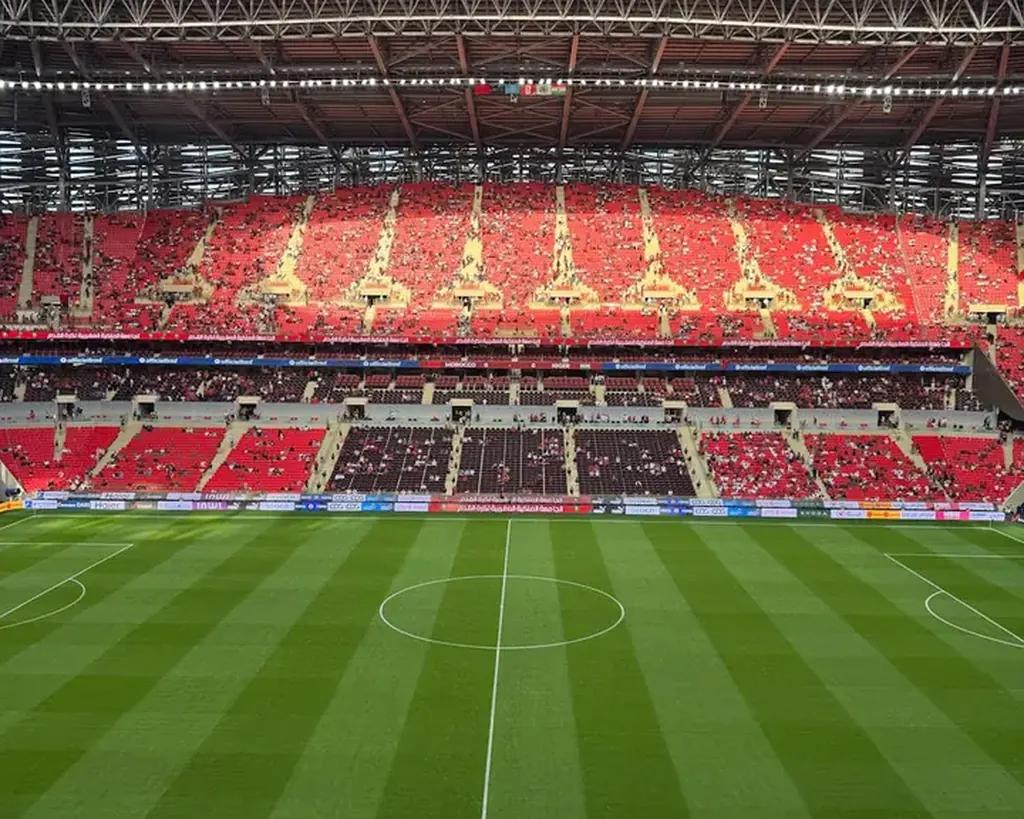
Comparing the Two Eras: A Tale of Two Stadiums
The difference in record attendances between Highbury and the Emirates is not merely a numerical one; it represents a fundamental shift in the nature of football fandom.
| Aspect | Highbury (Record: 73,295) | Emirates Stadium (Record: 60,161) |
|---|---|---|
| Capacity Type | Primarily standing terraces | All-seater |
| Atmosphere | Intense, often described as a cauldron | Modern, can be less intense but more consistent |
| Demographic | Predominantly local, working-class | More diverse, global, and corporate |
| Safety | Less regulated, higher risk | Strictly regulated, high safety standards |
| Commercial Focus | Minimal | Significant, with premium seating and hospitality |
The Highbury record is a historical anomaly, a snapshot of a time when football was a different beast. The Emirates record, while lower in absolute terms, represents a more sustainable and commercially viable model. The atmosphere at the Emirates has often been criticised for being less raucous than Highbury, but the stadium’s design and the club’s fan engagement strategies have sought to mitigate this.
The Future of Arsenal’s Home Attendance Record
Will the Emirates Stadium record ever be broken? The answer is almost certainly yes, but the circumstances would need to be perfect. The club has explored potential expansions to the Emirates, which could increase capacity to around 65,000. If such an expansion were to occur, a new record would be set for the first major match after completion.
Furthermore, a fixture of immense magnitude—such as a Champions League final or a Premier League title decider against a major rival—could push demand to unprecedented levels. However, the current record of 60,161 is a high bar, and it will likely take a combination of stadium expansion and a truly historic match to surpass it. The club’s record home attendance is not just a number; it is a living document of its history, from the terraced glory of Highbury to the modern ambition of the Emirates. For more on the club’s historical milestones, see our Arsenal History Records hub.
Summary and Conclusion
Arsenal’s record home attendances, from 73,295 at Highbury to 60,161 at the Emirates Stadium, chart the club’s transformation from a local powerhouse to a global brand. The Highbury record is a monument to a bygone era of football, while the Emirates record reflects the modern realities of safety, commercialism, and all-seater stadiums. Both figures are remarkable achievements, testaments to the enduring passion of the Arsenal fanbase. The club’s ability to consistently fill its stadium, whether with 73,000 standing fans or 60,000 seated supporters, is a constant across its history. As the club looks to the future, the potential for a new record remains, a tantalising prospect for a club that has always sought to push boundaries. For a deeper look at the club’s performance in the league, explore our Arsenal Premier League Finishes Table and for context on key rivalries, see our Arsenal Derby Records vs Tottenham.
Reader Comments (0)