
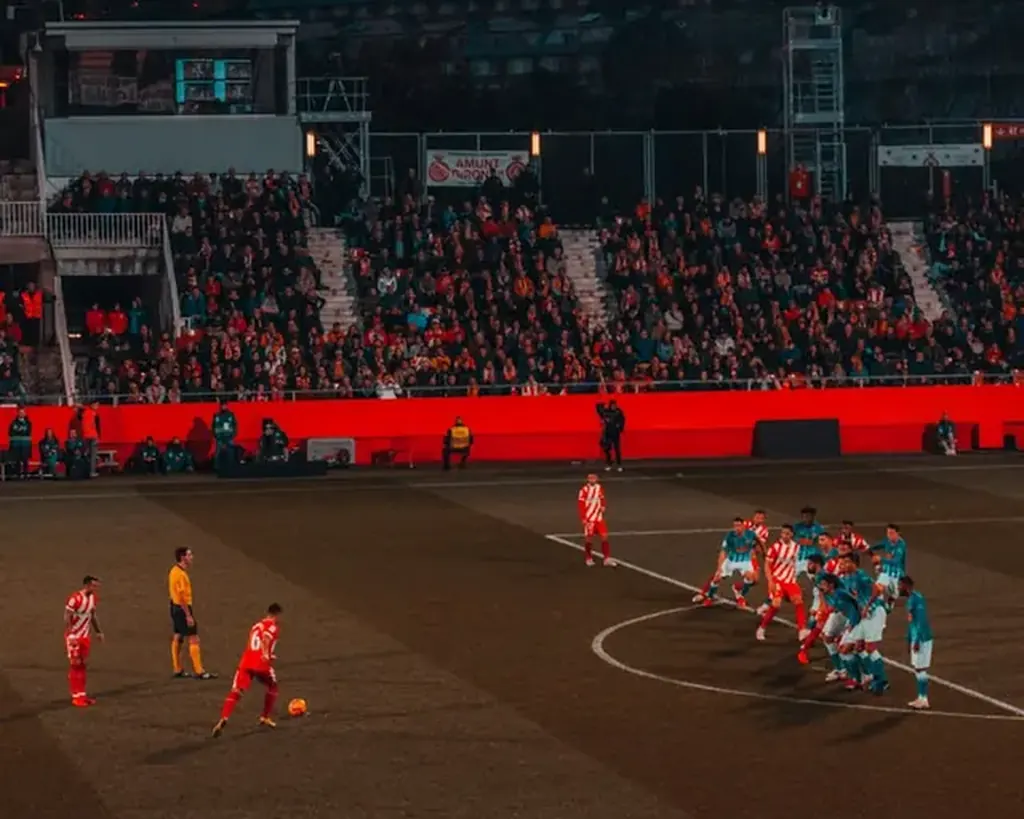
For any supporter who never set foot inside the old Arsenal Stadium, the Highbury era exists as a kind of religious text—invoked by pundits, former players, and season-ticket holders alike as the golden age of the club. The narrative is seductive: marble halls, art deco stands, a pitch so immaculate it was once described as a bowling green. But nostalgia, like any good press release, deserves a forensic examination. The Highbury era was not a single, coherent period of glory. It was a seventy-three-year residency marked by distinct cycles of triumph, stagnation, and institutional drift. Before we canonise the old ground, we ought to ask: was Highbury actually responsible for Arsenal’s identity, or did the club’s success happen despite its increasingly cramped confines?
The Architecture of Ambition: How Highbury Shaped (and Constrained) the Club
When Arsenal moved from Woolwich to Highbury in 1913, the decision was less romantic vision than commercial necessity. The old Manor Ground in Plumstead could not compete with the gravitational pull of north London’s growing population. Architect Archibald Leitch designed the initial stands, but the iconic art deco East Stand—completed in 1936—transformed Highbury from a functional ground into a statement of intent. It was, by any measure, a beautiful stadium. The problem is that beauty does not win football matches.
The East Stand’s listed status, granted in the 1990s, has been cited by some as a constraint on redevelopment. While competitors like Manchester United and Chelsea expanded or rebuilt their grounds to increase matchday revenue, Arsenal remained in a relatively compact 38,000-seat heritage piece. The club’s commercial underperformance relative to its on-pitch stature was not an accident; it was a structural consequence of a listed building that could not be significantly altered. By the late 1990s, Highbury’s capacity was significantly lower than Old Trafford’s, which had been expanded to over 55,000. Arsenal were consistently finishing in the top two of the Premier League while operating on a matchday income stream that was, in relative terms, mid-table.
The Trophy Haul: Contextualising Success
The numbers are frequently cited as proof of Highbury’s special status. Between 1913 and 2006, Arsenal won ten First Division titles, eight FA Cups, and a European Cup Winners’ Cup. That is a respectable tally, but it requires context. Five of those league titles came under Herbert Chapman and his immediate successors between 1931 and 1953—a period when the club’s financial backing and managerial innovation were unmatched. The next title did not arrive until 1971, and after that, a seventeen-year drought until George Graham’s 1989 triumph.
| Period | League Titles | FA Cups | European Trophies |
|---|---|---|---|
| 1913–1953 | 7 | 3 | 0 |
| 1954–1985 | 1 | 2 | 0 |
| 1986–2006 | 4 | 4 | 1 |
The table reveals a pattern: Highbury’s greatest success was front-loaded. The final two decades at the ground, including the Invincibles season of 2003–04, were exceptional but also coincided with the realisation that the stadium itself was a liability. Arsène Wenger’s teams won titles not because of Highbury, but because of his recruitment and coaching—often selling key players to fund the infrastructure that should have been built a decade earlier.
The Invincibles and the Illusion of Permanence
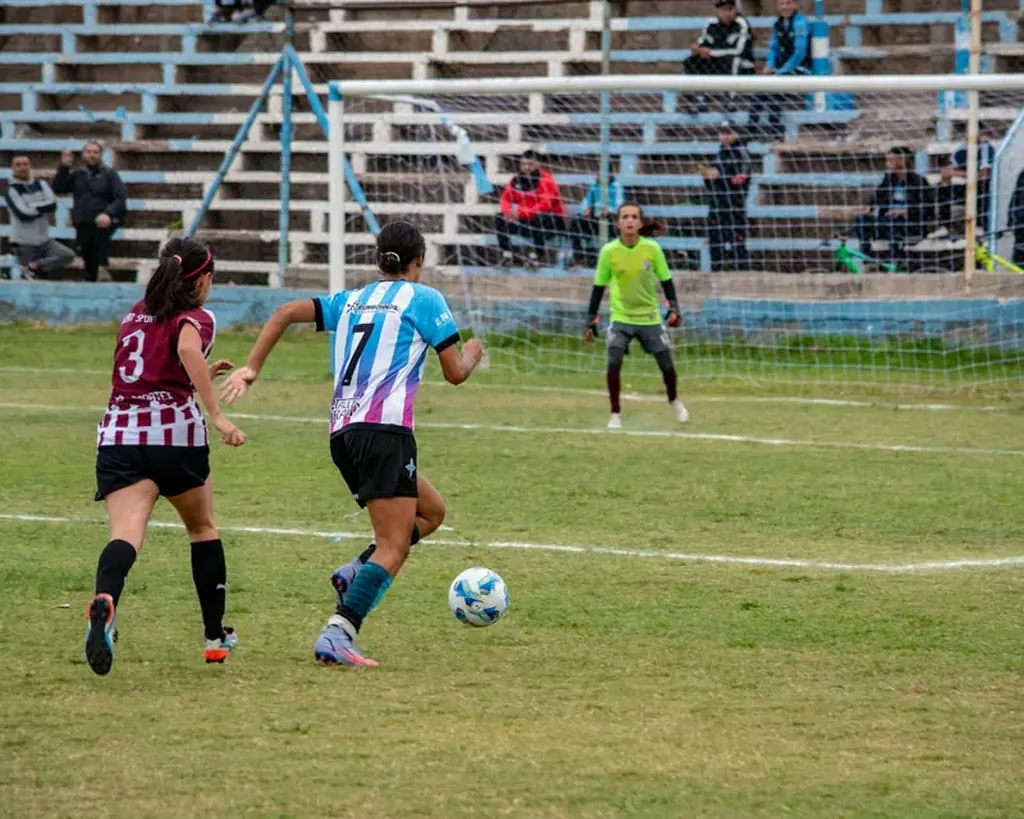
The 2003–04 season is the jewel in the Highbury crown, and for good reason: an entire Premier League campaign without defeat is a statistical outlier that may never be repeated. Yet even this achievement is often misremembered. The Invincibles drew twelve matches, including a 1–1 at home to Portsmouth and a 0–0 at Newcastle. They were not a dominant, swaggering machine every week; they were a team that found ways to avoid losing, often through individual brilliance from Thierry Henry or Patrick Vieira.
The mini-case here is the 2004–05 season. Arsenal went unbeaten at Highbury for the entire league campaign again, but lost the title to Chelsea by twelve points. The home fortress was intact, but the away form collapsed. This exposes a flaw in the Highbury myth: the ground’s atmosphere was often cited as a factor, yet the team’s road performances—not the stadium—determined the title race. Highbury’s narrow pitch, often credited with suiting Arsenal’s passing game, was actually a disadvantage in European competition, where wider pitches and more physical opponents exposed the lack of space.
The Financial Reality: Why Highbury Had to Go
The decision to leave Highbury was not a betrayal of tradition; it was a survival mechanism. By the early 2000s, Arsenal’s matchday revenue lagged far behind that of Manchester United, with the gap widening each season. Without a new stadium, Arsenal faced a future of selling their best players every summer to balance the books—a pattern that had already begun with the departures of Marc Overmars and Emmanuel Petit in 2000.
| Revenue Source | Arsenal (Highbury, early 2000s) | Manchester United (Old Trafford, early 2000s) |
|---|---|---|
| Matchday | Significantly lower | Significantly higher |
| Broadcasting | Comparable | Comparable |
| Commercial | Lower | Higher |
The gap was stark. Arsenal were competing in the same league while generating far less matchday income than their principal rival. The Emirates Stadium project, financed through a series of loans and property sales, was not an ambitious gamble—it was a defensive move to prevent the club from sliding into permanent second-tier status. Highbury’s charm was irrelevant to this arithmetic.
What Was Lost, What Was Gained
The transition to the Emirates Stadium in 2006 was undeniably painful. The club spent nine seasons without a league title, forced into a period where Wenger had to sell key players to manage finances. The emotional cost was high: fans who had grown up in the marble halls felt a sense of dislocation that lingers even today. Yet the alternative—staying at Highbury—would have been worse.
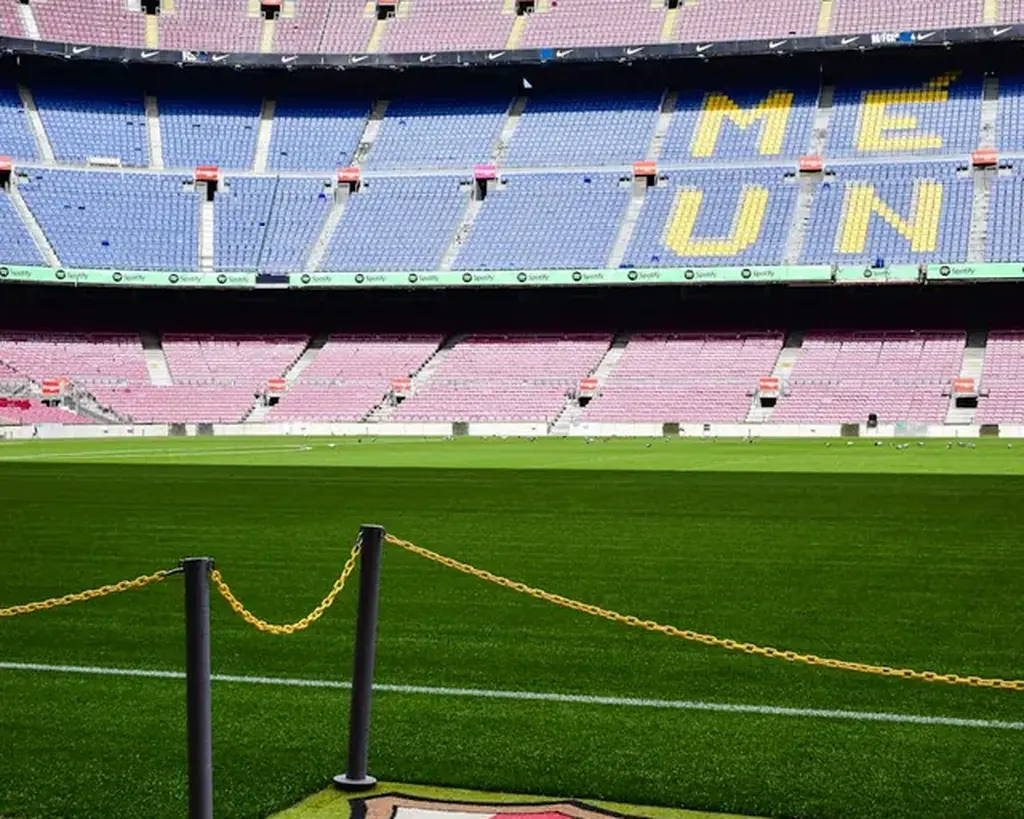
The Emirates significantly increased matchday revenue, allowed the club to retain players like Robin van Persie (briefly) and later attract Mesut Özil and Pierre-Emerick Aubameyang. The stadium also enabled the commercial partnerships that now fund a wage bill competitive with any club outside the state-owned oil empires. Highbury, for all its beauty, could not have sustained that.
The Verdict: A Ground, Not a Guarantee
The Highbury era was not a seamless golden age. It was a period of genuine triumphs, but also of missed opportunities, financial stagnation, and structural inertia. The ground itself was a symbol of the club’s ambition in the 1930s and a restraint on that ambition by the 1990s. To romanticise it as the only true home of Arsenal is to ignore the economic realities that forced the club to evolve.
For a more detailed look at how the club has performed since leaving Highbury, see our Arsenal Season Review 2024-25 and the Emirates Stadium Guide. For ongoing news and analysis, the Arsenal News & Transfers hub provides daily coverage.
The old ground gave us memories. The new ground gave us a future. The sceptic’s conclusion is uncomfortable but honest: Highbury was never the cause of Arsenal’s greatness. It was just the stage. The players, the managers, and the decisions made in the boardroom—those were the real architects of the club’s identity. The rest is architecture.
Reader Comments (0)