
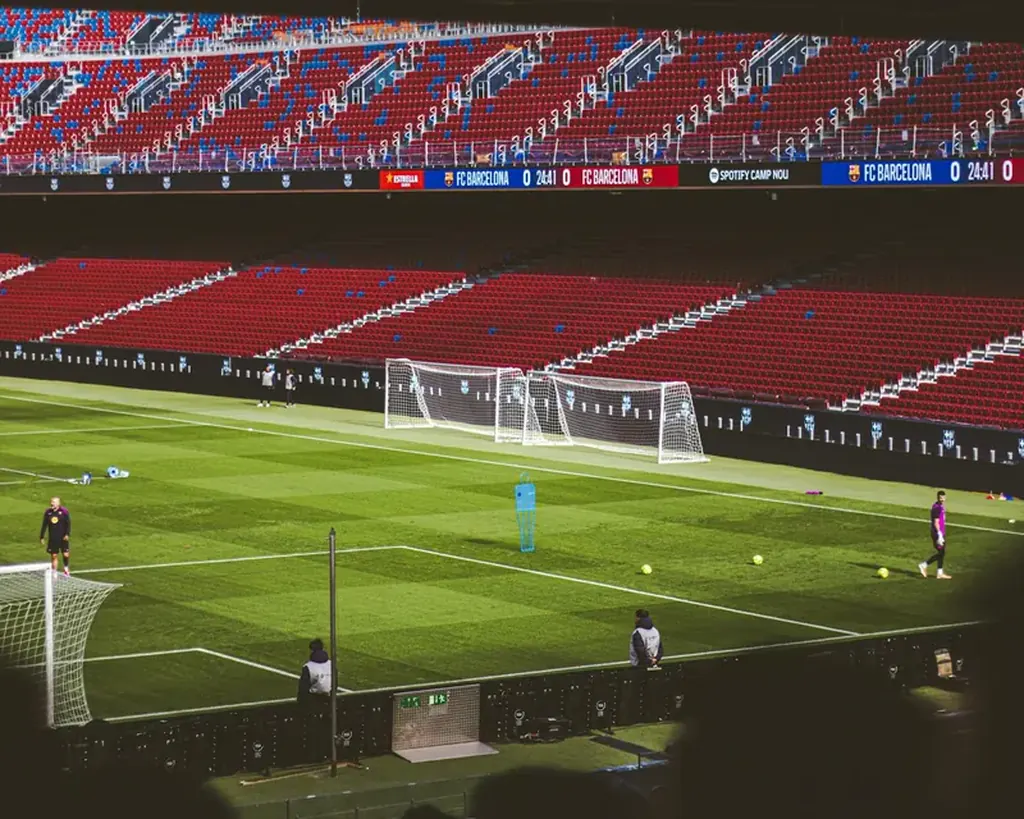
So, Arsenal finally left Highbury. The marble halls, the art deco East Stand, the cramped, atmospheric terraces where generations of Gunners watched Dennis Bergkamp weave magic—all traded in for a bowl-shaped, 60,000-seat corporate behemoth funded by a name that now feels more like a relic of a bygone financial era. The Emirates Stadium, or Ashburton Grove if you prefer the pre-sponsorship name, opened in 2006 with promises of a new era of sustained success. Nearly two decades later, it’s worth asking: did the stadium deliver what it was supposed to, or did it simply lock the club into a financial straitjacket that reshaped its identity? Let’s strip away the official club propaganda and examine the Emirates for what it really is: a monument to ambition, compromise, and the uneasy marriage of football and commerce.
The Genesis: Why Highbury Had to Go
Highbury was a cathedral, but cathedrals are notoriously bad for modern football economics. By the early 2000s, Arsenal’s old ground had a capacity of just 38,419, with limited corporate hospitality and outdated facilities. The board, led by Peter Hill-Wood and David Dein, argued that the club couldn’t compete financially with Manchester United’s Old Trafford (then holding 68,000) or the nouveau riche Chelsea, who were splashing Roman Abramovich’s cash. The logic was simple: more seats equal more matchday revenue, which equals more money for players, which equals more trophies.
The project cost a significant sum for the initial construction and associated infrastructure, including the relocation of a waste transfer station and the construction of new transport links. Arsenal financed this through a mix of bank loans, bonds, and a naming-rights deal with Emirates Airline. That deal was later extended, but the original terms locked the club into a long-term partnership that, in retrospect, may have undervalued the naming rights compared to what other clubs later secured.
The move was sold to fans as a necessary sacrifice. The club would tighten its belt for a few years, service the debt, and then emerge as a financial powerhouse. In practice, the belt-tightening lasted far longer than anyone anticipated, and the "few years" stretched into a decade of austerity that coincided with the departure of Thierry Henry, the end of the Invincibles era, and the rise of a painfully frugal transfer policy under manager Arsène Wenger.
The Stadium Experience: Atmosphere vs. Architecture
Walk into the Emirates on a matchday, and you’re immediately struck by its sheer scale. The four-tiered bowl rises steeply from the pitch, offering excellent sightlines from virtually every seat. The concourses are wide, the toilets are plentiful (a stark contrast to Highbury’s notorious queues), and the food options have improved from the days of stale pies to something approaching edible. The club has invested in fan zones, the Armoury megastore, and the "Arsenal Museum" (which is exactly as corporate as it sounds).
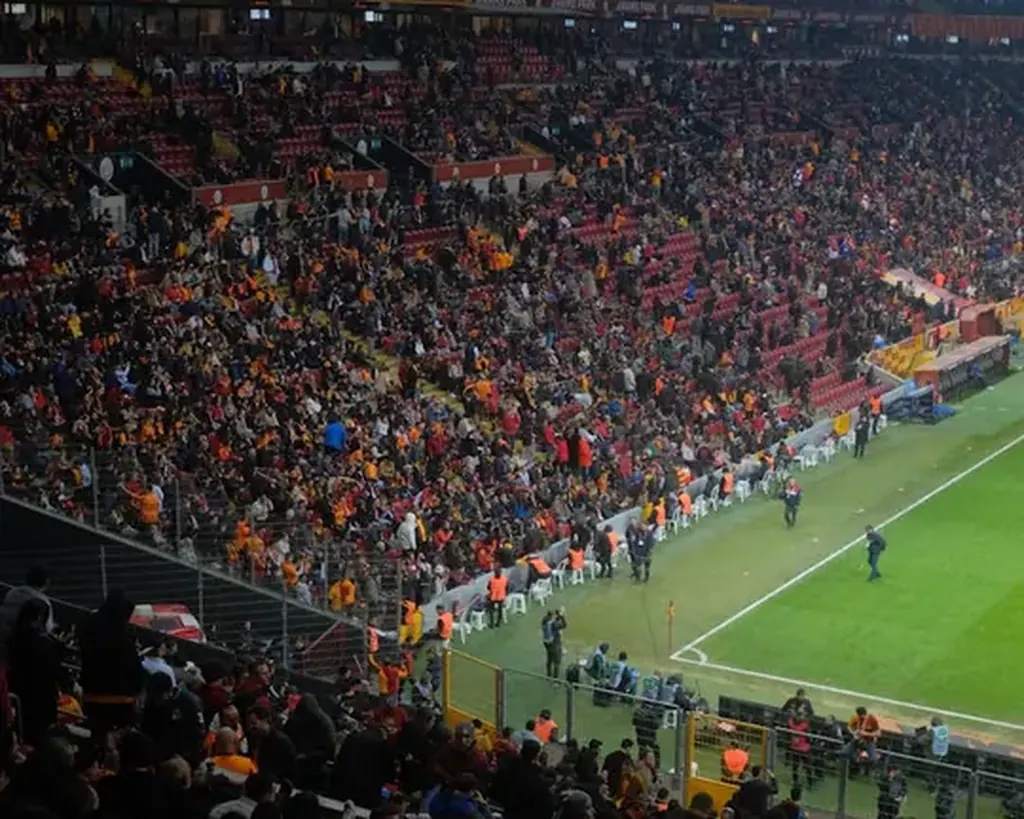
But here’s the rub: the atmosphere is often criticized as sterile. The design, which prioritizes comfort and sightlines over acoustics, creates a cavernous space where sound dissipates rather than amplifies. The famous "Highbury Roar" that intimidated visiting teams has been replaced by a polite hum, punctuated only by the occasional chorus of "North London Forever" or a frustrated groan when a pass goes sideways. The club has tried to address this with the "Clock End" redesign, moving the most vocal supporters behind the goal, but the problem is structural. The Emirates is a bowl, not a cauldron.
| Feature | Highbury (1913–2006) | Emirates Stadium (2006–present) |
|---|---|---|
| Capacity | 38,419 | 60,704 (current) |
| Atmosphere | Legendary, intimidating, loud | Often criticized as quiet, corporate |
| Sightlines | Mixed, especially in lower tiers | Excellent from all seats |
| Corporate Hospitality | Limited | Extensive, multiple tiers |
| Pitch Quality | Often poor due to undersoil heating issues | Generally good, though drainage issues noted in early years |
| Transport Access | Arsenal tube station (Piccadilly line) | Same, plus improved bus and road links |
| Naming Rights | None | Emirates Airline (2006–2028, extended) |
The comparison table above illustrates the trade-offs. Highbury had soul but was commercially obsolete. The Emirates has commercial viability but struggles to generate the same emotional intensity. The question is whether that trade-off was worth it.
The Financial Reality: Debt, Transfer Windows, and the "Self-Sustaining" Model
The Emirates was supposed to be the engine that drove Arsenal to new financial heights. In theory, the increased matchday revenue (significantly higher than at Highbury) would allow the club to compete with the biggest spenders in Europe. In practice, the debt repayments consumed much of that additional income.
For the first decade after the move, Arsenal operated under a strict "self-sustaining" model, meaning the club could only spend what it generated. This translated into a transfer policy that prioritized selling star players (Henry to Barcelona, Cesc Fàbregas to Barcelona, Robin van Persie to Manchester United, Alex Song to Barcelona) and replacing them with younger, cheaper alternatives. The club’s net spend during this period was notoriously low, often negative, as the board prioritized debt reduction over squad investment.
The result? Arsenal went from being perennial title contenders under Wenger to a club that finished fourth (or worse) with alarming regularity. The "Top Four" trophy became a running joke among rival fans, but it was a serious goal for the club’s accountants, who needed Champions League revenue to service the debt.
It wasn’t until the late 2010s and early 2020s, with the debt largely paid down and new commercial deals in place, that Arsenal began spending more freely. The arrivals of players like Nicolas Pépé for a club-record fee, Ben White, and Declan Rice signaled a shift in financial ambition. But the damage to the club’s competitive standing had already been done. The Emirates years, from 2006 to roughly 2020, will be remembered as an era of missed opportunities and financial caution that cost Arsenal its place at the top of English football.
The Matchday Experience: What You Actually Get
If you’re planning a visit to the Emirates, here’s what you need to know. Tickets are notoriously difficult to obtain for high-demand matches (North London derbies, Champions League nights, visits from Manchester City or Liverpool). The club operates a membership system, with Red and Silver tiers, and most tickets are allocated through a ballot system that feels about as transparent as a FIFA ethics investigation. Prices vary by seat location and opposition, but expect to pay a premium for the best views.
The stadium itself is located in Holloway, North London, with excellent transport links via Arsenal tube station (Piccadilly line) and several bus routes. The surrounding area has a mix of traditional pubs (the Tollington, the Twelve Pins) and more modern gastropubs, though the club’s official partnership with certain venues means you’ll be paying a premium for a mediocre pint.
Inside the stadium, the food options have improved dramatically since the early days. You can now get gourmet burgers, Thai curry, and even vegan options, though the prices remain eye-watering. A pie and a pint will set you back a notable amount. The club has also introduced "digital only" ticketing, which means you’ll need your phone charged and ready to scan—a system that works smoothly most of the time and causes chaos the rest.

The Risks: What the Club Won’t Tell You
The Emirates is not without its problems. The pitch has historically been criticized for its quality, particularly during the winter months when the undersoil heating struggles to keep it playable. The stadium’s design also means that the upper tiers are exposed to the elements, and on a cold, rainy North London evening, the wind can make the experience genuinely unpleasant.
More concerning is the long-term commercial viability. The naming-rights deal with Emirates Airline, while lucrative, expires in 2028, and there’s no guarantee that the club will secure a similarly valuable deal in the future. The stadium also lacks the flexibility to be expanded easily; the current capacity of 60,704 is fixed, unlike the Tottenham Hotspur Stadium across North London, which can be converted for NFL games and concerts, generating additional revenue.
The club’s reliance on matchday revenue also makes it vulnerable to economic downturns and external shocks. The COVID-19 pandemic, which forced matches behind closed doors, cost Arsenal a significant amount in lost revenue. While the club has diversified its income streams through commercial partnerships and player sales, the Emirates remains a significant fixed cost that requires consistent high attendance to justify.
The Verdict: A Necessary Evil
The Emirates Stadium is, objectively, a world-class facility. It’s comfortable, accessible, and generates the revenue that allows Arsenal to compete in the modern football economy. But it’s also a symbol of what the club sacrificed to get there. The move from Highbury was not just a change of address; it was a fundamental shift in the club’s identity, from a community-focused institution to a corporate entity that prioritizes financial stability over sporting ambition.
For fans who remember Highbury, the Emirates will always feel like a compromise. For younger fans, it’s simply "home." And in the end, that’s probably the most damning critique of all: the Emirates is a stadium that works perfectly well but lacks the soul that made Arsenal special. It’s a bowl, not a cathedral. And that’s a trade-off that the club’s hierarchy made willingly, but that fans are still paying for, every matchday.
If you’re planning a visit, manage your expectations. The football might be excellent, the facilities might be top-notch, and the atmosphere might occasionally rise to something approaching memorable. But don’t expect the Highbury Roar. That’s gone, and it’s not coming back.
Reader Comments (0)