
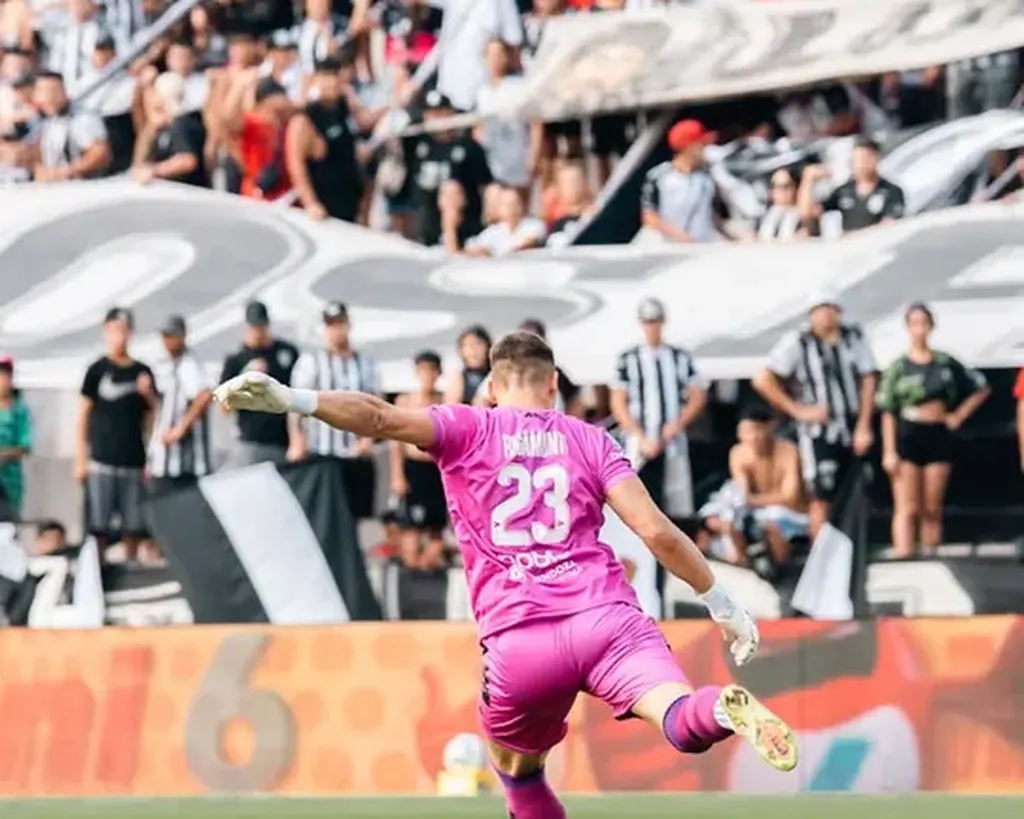
Few clubs in English football can match Arsenal’s relationship with the Football Association Challenge Cup. The Gunners hold the record for the most FA Cup victories, a distinction that speaks not only to sustained excellence but to a cultural identity woven into the fabric of the club. From the early triumphs at Highbury to the modern-era successes at Wembley, Arsenal’s FA Cup history is a chronicle of tactical evolution, iconic moments, and the resilience that defines the North London institution.
The Foundational Era: First Triumphs and Establishing Dominance
Arsenal’s first FA Cup final appearance came in 1927, a 1–0 defeat to Cardiff City—a match that remains the only time the trophy has left England. That setback, however, proved a catalyst. Three years later, under manager Herbert Chapman, Arsenal returned to Wembley and defeated Huddersfield Town 2–0 to claim their first FA Cup. Chapman’s revolutionary tactical innovations—including the WM formation and the use of inside-forwards—were already reshaping English football, and the 1930 triumph marked the beginning of a golden era.
The club added a second FA Cup in 1936, a workmanlike 1–0 victory over Sheffield United. By this point, Arsenal had established themselves as the dominant force in English football, winning five league titles in the 1930s alongside their cup successes. The 1936 final, though less celebrated than its predecessor, reinforced a pattern: Arsenal teams built on defensive solidity and clinical finishing tended to thrive in knockout competition.
The Post-War Resurgence and the 1970s Double
After a 14-year drought following the Second World War, Arsenal returned to FA Cup glory in 1971 under manager Bertie Mee. The 2–1 extra-time victory over Liverpool at Wembley completed the club’s first league and cup double—a feat that elevated Mee’s side into the pantheon of great Arsenal teams. Charlie George’s iconic winning goal, celebrated with his arms outstretched on the Wembley turf, remains one of the most enduring images in the club’s history.
Arsenal’s next FA Cup success came in 1979, a dramatic 3–2 victory over Manchester United in a final that is often remembered for Alan Sunderland’s late winner. That match encapsulated the unpredictable nature of cup football: Arsenal led 2–0, conceded twice in five minutes, and then snatched victory in the 89th minute. The 1979 team, managed by Terry Neill, lacked the sustained league dominance of earlier sides but possessed a resilience that made them formidable in knockout competition.
The George Graham Era: Pragmatism and Silverware
George Graham’s appointment in 1986 ushered in a period defined by defensive discipline and cup success. Arsenal won the FA Cup in 1993, defeating Sheffield Wednesday in a replay after a 1–1 draw—a match that highlighted Graham’s emphasis on organization and set-piece efficiency. That victory, combined with the League Cup earlier in the season, gave Arsenal a domestic cup double.
The 1998 FA Cup triumph under Arsène Wenger marked a transition. Arsenal completed their second double that season, defeating Newcastle United 2–0 in the final with goals from Marc Overmars and Nicolas Anelka. Wenger’s arrival in 1996 had transformed the club’s playing style, introducing a fluid, attacking philosophy that would define the next two decades. The 1998 final demonstrated that Arsenal could combine Wenger’s aesthetic ideals with the cup-winning pragmatism that had characterized earlier eras.
The Invincibles Era and the 2002–2005 Dynasty
Arsenal’s most sustained period of FA Cup dominance came between 2002 and 2005, when they won three trophies in four seasons. The 2002 final against Chelsea was a masterclass: a 2–0 victory completed Arsenal’s third double and featured Ray Parlour’s memorable long-range strike. The 2003 final, a 1–0 win over Southampton, was less spectacular but equally effective, with Robert Pires scoring the decisive goal.

The 2005 FA Cup final against Manchester United is perhaps the most dramatic in the competition’s recent history. After a goalless 120 minutes, the match ended in a penalty shootout—the first FA Cup final decided from the spot. Arsenal triumphed 5–4, with Patrick Vieira scoring the decisive penalty in his final appearance for the club. That victory, coming amid the Invincibles’ historic 2003–04 season, cemented Arsenal’s reputation as the premier cup side of the era.
| Season | Opponent | Score | Key Player | Venue |
|---|---|---|---|---|
| 2002 | Chelsea | 2–0 | Ray Parlour | Millennium Stadium |
| 2003 | Southampton | 1–0 | Robert Pires | Millennium Stadium |
| 2005 | Manchester United | 0–0 (5–4 pens) | Patrick Vieira | Millennium Stadium |
The Modern Era: 2014–2020 and the Wenger Legacy
After a nine-year drought, Arsenal returned to FA Cup glory in 2014 with a dramatic 3–2 comeback victory over Hull City. Trailing 2–0 after eight minutes, Arsenal mounted a second-half revival capped by Aaron Ramsey’s extra-time winner. That victory ended the club’s longest trophy drought since the 1950s and marked the beginning of a second golden period in the competition.
Arsenal retained the FA Cup in 2015, defeating Aston Villa 4–0 in a performance that showcased the attacking talent of Alexis Sánchez and Santi Cazorla. The 2017 final against Chelsea was a tactical masterclass from Wenger, as Arsenal defeated the Premier League champions 2–1 with goals from Alexis Sánchez and Ramsey. That victory made Wenger the most successful manager in FA Cup history, with seven titles.
The 2020 FA Cup triumph, Arsenal’s 14th, came under Mikel Arteta in his first season as manager. A 2–1 victory over Chelsea in the pandemic-delayed final demonstrated the tactical discipline Arteta had instilled, with Pierre-Emerick Aubameyang scoring both goals. That victory secured Arsenal’s place as the competition’s most successful club and signaled the beginning of a new era.
Tactical Analysis: Why Arsenal Excels in the FA Cup
Arsenal’s FA Cup success cannot be attributed to a single tactical approach. The 1930s teams relied on Chapman’s geometric precision; the 1970s sides emphasized physical resilience; the Graham era prioritized defensive organization; and the Wenger years combined technical superiority with attacking fluidity. What unites these disparate eras is a capacity for adaptation.
Knockout football rewards teams that can manage game states effectively—defending leads, exploiting transitions, and maintaining composure under pressure. Arsenal’s best FA Cup sides have consistently demonstrated these qualities. The 2005 penalty shootout victory, the 2014 comeback against Hull, and the 2017 tactical dismantling of Chelsea all illustrate a club that understands the specific demands of cup competition.
Arteta’s 2020 victory continued this tradition. His Arsenal side, still in transition, defended with discipline and struck with efficiency—qualities that have defined the club’s cup-winning teams across generations.
The Comparative Record: Arsenal vs. Other FA Cup Giants
Arsenal’s 14 FA Cup titles place them ahead of Manchester United (12) and Chelsea (8) in the all-time standings. This dominance is particularly striking given the competition’s history: the FA Cup has been contested since 1871, and Arsenal’s first victory came in 1930. The club’s ability to sustain success across different eras—from Chapman to Wenger to Arteta—distinguishes them from rivals who have experienced more pronounced cycles of dominance and decline.
| Club | FA Cup Titles | First Title | Most Recent Title |
|---|---|---|---|
| Arsenal | 14 | 1930 | 2020 |
| Manchester United | 12 | 1909 | 2016 |
| Chelsea | 8 | 1970 | 2018 |
| Liverpool | 8 | 1965 | 2022 |
Risks and Criticisms: The Cost of Cup Focus
While Arsenal’s FA Cup record is a source of pride, it has occasionally been used as a counterpoint to perceived underperformance in the Premier League and Champions League. Critics argue that during the latter years of Wenger’s tenure, the FA Cup became a consolation prize—a distraction from the structural issues that prevented Arsenal from competing for the league title.
This critique has merit. Between 2005 and 2020, Arsenal won four FA Cups but finished outside the top four in the Premier League on multiple occasions. The 2014 and 2015 cup victories, while celebrated, did not mask the club’s inability to challenge for the league championship. For some supporters, the FA Cup success of the 2010s was a double-edged sword: it provided moments of joy but also allowed underlying problems to persist.
Arteta’s 2020 victory, however, was framed differently. Coming in the midst of a squad rebuild, it provided validation for his methods and a foundation for future progress. The challenge for Arsenal now is to combine their FA Cup pedigree with sustained league competitiveness—a balance that has eluded them for much of the modern era.
Conclusion: A Legacy Beyond Numbers
Arsenal’s 14 FA Cup triumphs represent more than a statistical record. They tell the story of a club that has consistently adapted to changing footballing landscapes while maintaining a core identity rooted in resilience and tactical intelligence. From Herbert Chapman’s innovations to Mikel Arteta’s modern pragmatism, Arsenal’s FA Cup history is a mirror of the club’s evolution.
For fans, the FA Cup remains the competition that most reliably connects past and present. The images of Charlie George, Alan Sunderland, Patrick Vieira, and Aaron Ramsey are not merely historical artifacts—they are reminders of what Arsenal can achieve when they combine talent with determination. As the club continues its pursuit of future silverware, the FA Cup record stands as both a benchmark and an inspiration.
For more on Arsenal’s historical achievements, explore our Arsenal History Records hub. To understand how the club’s rivalry with Manchester United has shaped cup competitions, read our analysis of Arsenal vs. Manchester United. And for a comprehensive look at the club’s statistical milestones, visit the Arsenal Club Records Book.
Reader Comments (0)