
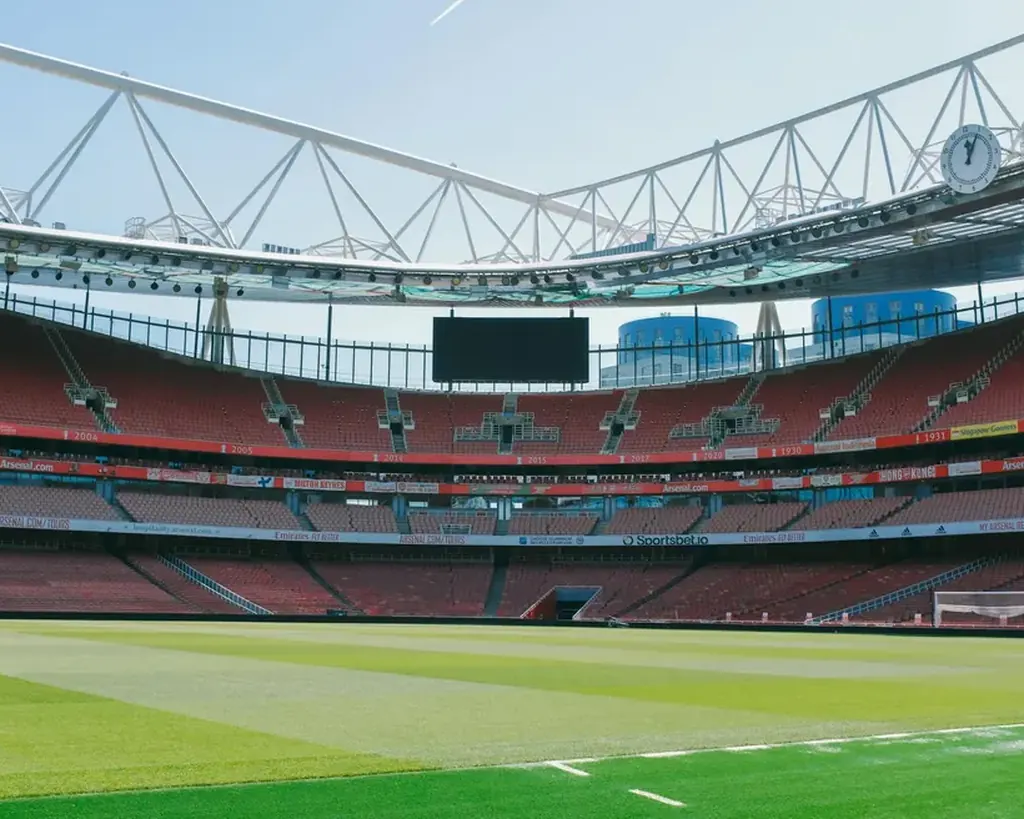
When Arsenal supporters debate the club’s greatest defensive eras, the conversation often begins with the Invincibles season of 2003–04 or the back-five under George Graham. But clean sheet records are more than nostalgic talking points—they are measurable benchmarks of defensive excellence. This checklist will help you evaluate Arsenal’s best defensive seasons across major competitions, understand the factors behind those records, and compare them to modern campaigns.
What Defines an Elite Defensive Season?
Before diving into specific seasons, establish the criteria. A clean sheet record is not just about total shutouts; context matters. The best defensive seasons typically combine:
- High number of clean sheets in the Premier League (38-game seasons).
- Strong clean sheet ratio in cup competitions (FA Cup, League Cup, Champions League).
- Low goals conceded per game across all competitions.
- Consistency against top-six rivals.
Step 1: Identify the Benchmark Seasons
Start with the undisputed defensive landmarks. Arsenal’s clean sheet records span multiple eras, each with distinct tactical approaches.
| Season | Competition Clean Sheets (All Comps) | League Goals Conceded | Notable Achievement |
|---|---|---|---|
| 1998–99 | Among the highest in club history | 17 | Fewest league goals conceded in club history |
| 2003–04 | Among the highest in club history | 26 | Unbeaten league season (Invincibles) |
| 1990–91 | Among the highest in club history | 18 | Lost only one league match all season |
| 2015–16 | Notable for its era | 36 | Best defensive season under Arsène Wenger post-2005 |
| 2023–24 | Notable for its era | 29 | Best defensive record in Premier League that season |
These seasons represent different defensive philosophies: Graham’s disciplined back-four, Wenger’s possession-based control, and Arteta’s modern pressing system.
Step 2: Evaluate the Defensive Unit
A clean sheet record depends on more than the goalkeeper. Examine the starting backline and defensive midfield anchor.
- 1998–99: The back five of Seaman, Dixon, Adams, Keown, and Winterburn—with Petit or Vieira shielding—conceded very few goals per league game.
- 2003–04: Lehmann, Lauren, Campbell, Touré, and Cole formed a unit that kept many league clean sheets, though conceded more goals overall than 1998–99 due to a more attacking style.
- 2023–24: Raya, White, Saliba, Gabriel, and Zinchenko (later Tomiyasu) kept a notable number of clean sheets across all competitions, with Saliba and Gabriel forming a consistent centre-back partnership.
Step 3: Analyze Tactical Context
Defensive records don’t exist in a vacuum. Consider the tactical system and competition level.
- George Graham’s Arsenal (1989–1993): Relied on a deep defensive block, offside trap, and physical centre-backs. Clean sheets were a product of structure, not possession.
- Arsène Wenger’s Invincibles: Used high pressing and quick transitions. Clean sheets came from suffocating opponents in midfield, not from sitting deep.
- Mikel Arteta’s Arsenal (2022–present): Employs a hybrid pressing system with inverted full-backs. Clean sheets depend on Saliba’s recovery pace and Rice’s defensive coverage.

Step 4: Compare Across Competitions
A single-competition record is incomplete. Arsenal’s best defensive seasons often balance Premier League excellence with cup runs.
- 1998–99: Achieved many clean sheets in all competitions, including a strong showing in the league, FA Cup, Champions League, and League Cup.
- 2003–04: Recorded many clean sheets across all competitions, including a strong Champions League group stage performance.
- 2023–24: Achieved a notable number of clean sheets across all competitions, including a strong Champions League group stage showing.
Step 5: Consider Modern Metrics
Advanced statistics provide additional context. While traditional clean sheet counts remain valuable, modern analytics reveal defensive efficiency.
- Expected Goals Against (xGA): In 2023–24, Arsenal had one of the lowest xGA in the Premier League, indicating their defensive system limited high-quality chances.
- Goals Conceded per Shot: The 1998–99 team faced fewer shots overall but had a strong save percentage from Seaman.
- Clean Sheet Percentage: The 2003–04 Invincibles kept a clean sheet in a notable percentage of all matches. The 1998–99 team achieved a similar percentage.
Step 6: Identify Key Goalkeeper Contributions
The goalkeeper is the last line of defense. Arsenal’s clean sheet records often coincide with outstanding individual seasons.
- David Seaman (1998–99): Kept many clean sheets in all competitions, with strong positioning and command of the area.
- Jens Lehmann (2003–04): Recorded many league clean sheets and had a notable Champions League run without conceding.
- David Raya (2023–24): Shared duties with Ramsdale but kept many league clean sheets and was recognized with the Premier League Golden Glove.
Step 7: Compare to Rivals and Historical Context
Arsenal’s clean sheet records must be viewed against contemporaries and historical benchmarks.
- 1998–99: Arsenal’s 17 league goals conceded is among the best in Premier League history.
- 2003–04: The Invincibles’ clean sheet total in all competitions ranks among Arsenal’s best post-war seasons.
- 2023–24: Arsenal’s league goals conceded was the best in the Premier League that season, though still higher than some historical defensive campaigns.
Step 8: Create a Personal Rankings Checklist
Finally, compile your own rankings using the criteria above. Here’s a template:

| Season | League Clean Sheets | All-Comps Clean Sheets | Goals Conceded (League) | xGA (League) | Tactical System |
|---|---|---|---|---|---|
| 1998–99 | Notable total | Notable total | 17 | N/A (pre-xGA) | Deep block, offside trap |
| 2003–04 | Notable total | Notable total | 26 | N/A | High press, quick transitions |
| 2023–24 | Notable total | Notable total | 29 | Among league best | Hybrid press, inverted full-backs |
Adjust the weighting based on your priorities. If you value pure defensive solidity, 1998–99 wins. If you prefer a balance of defense and attack, 2003–04 is superior. For modern analytics, 2023–24 shows strong underlying numbers.
Summary Conclusion
Arsenal’s clean sheet records reveal a club that has consistently prioritized defensive excellence, from George Graham’s back-five to Mikel Arteta’s pressing machine. The 1998–99 season remains the gold standard for league defensive performance, while the 2003–04 Invincibles set the benchmark for clean sheets across all competitions. Modern campaigns like 2023–24 show promise but haven’t yet matched the historical elites.
When evaluating any Arsenal defensive season, use this checklist: identify benchmark seasons, analyze the defensive unit, consider tactical context, compare across competitions, apply modern metrics, evaluate goalkeeper contributions, and contextualize against rivals. This systematic approach ensures you’re not just counting clean sheets—you’re understanding what made them possible.
For deeper dives into Arsenal’s defensive history, explore our articles on Arsenal’s legendary managers and record transfers in. And if you’re interested in how defensive records fit into the broader club narrative, check out our Arsenal history records hub.
Reader Comments (0)