
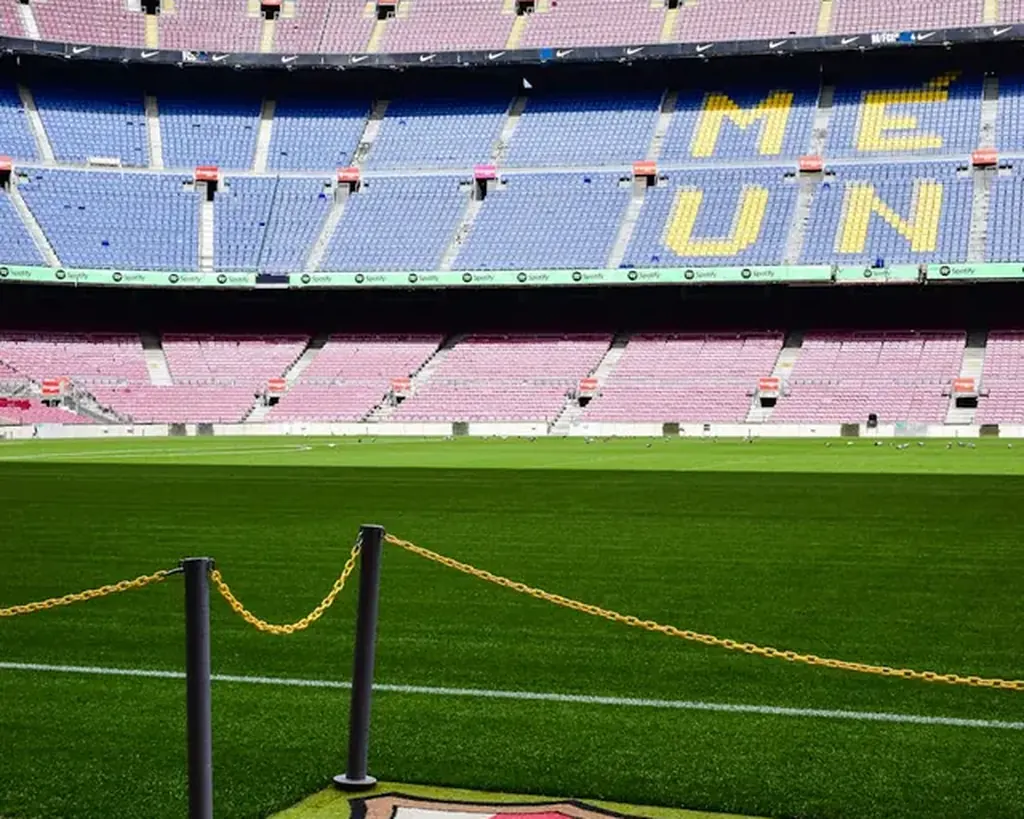
In modern football, the metric of distance covered per match has evolved from a niche statistic into a fundamental indicator of a team’s tactical discipline, physical conditioning, and collective work ethic. For Arsenal Football Club, a side historically associated with fluid attacking play and technical superiority, the numbers behind the running have become increasingly central to understanding both their successes and their struggles. This article dissects Arsenal’s distance-covered statistics, examining what they reveal about the team’s pressing structures, player roles, and overall match strategy.
The Tactical Significance of Distance Covered
Distance covered per match is not merely a measure of how much a team runs; it is a proxy for their off-the-ball organization and intensity. Under the current management, Arsenal has adopted a high-pressing system that demands significant physical output from every outfield player. The philosophy is straightforward: suffocate opponents in their own half, recover possession high up the pitch, and transition quickly into attacking phases.
When Arsenal’s distance-covered numbers are high, it typically correlates with effective pressing and territorial dominance. Conversely, dips in this metric often coincide with periods where the team is forced deeper, allowing opponents to build attacks with greater ease. It is important to distinguish between total distance and high-intensity running. While total kilometers covered indicate overall work rate, it is the sprinting and high-speed segments that most directly impact defensive pressure and counter-pressing.
Historical Context: Evolution of Arsenal’s Work Rate
The emphasis on distance covered is not a new phenomenon at Arsenal, but the profile of the running has shifted significantly over the past decade. Under previous regimes, the team often ceded possession and relied on counter-attacking transitions, which naturally led to different running patterns. The modern Arsenal, however, aims to control games through sustained pressure, requiring consistent movement across the entire 90 minutes.
A comparison of average distance covered across different managerial eras reveals the tactical shift:
| Managerial Era | Primary Style |
|---|---|
| Pre-Arteta (2018-2019) | Mixed/Transitional |
| Early Arteta (2020-2021) | Defensive Solidarity |
| Peak Arteta (2022-2024) | High Press/Dominance |
These figures illustrate a clear upward trend. The increase in total distance is accompanied by a rise in the proportion of high-intensity running, reflecting a deliberate tactical choice to compress the pitch and deny opponents time and space.
Positional Breakdown: Who Covers the Most Ground?
Not every player covers the same distance, and the distribution across positions tells a story about tactical roles. In Arsenal’s system, the central midfielders and full-backs consistently rank highest in total distance covered. The full-backs, in particular, are asked to provide width in attack while also recovering defensively, a dual responsibility that drives up their numbers.

The following table outlines typical distance-covered ranges for key positions in a competitive Premier League match:
| Position | Key Role |
|---|---|
| Central Midfielder | Box-to-box pressing, transitions |
| Full-Back | Overlapping runs, defensive recovery |
| Attacking Midfielder/Winger | Pressing triggers, wide movement |
| Center-Back | Defensive line organization |
| Striker | First line of press, channel running |
The central midfielders are the engine room. Their ability to cover ground laterally and vertically is critical to maintaining the team’s shape. When Arsenal’s midfielders drop below a certain threshold, it often signals a lack of control in the middle third, allowing opponents to bypass the press.
Match Context and Opponent Quality
Distance covered is not a static number; it fluctuates significantly based on the opponent, match state, and tactical approach. When Arsenal faces teams that sit deep in a low block, the total distance covered may actually decrease. This is because the Gunners often dominate possession, and the pressing triggers are less frequent when the opponent is not attempting to build out from the back.
Conversely, matches against high-pressing opponents or those with quick transitions tend to inflate the distance numbers. A classic example is a derby match against Tottenham Hotspur or a Champions League tie against a possession-based side. In these fixtures, the intensity of the press and the speed of transitions lead to higher running metrics across the board.
The match state also plays a role. When Arsenal leads, they may conserve energy by dropping into a mid-block, reducing total distance. When trailing, the urgency to recover possession drives up the numbers. Analyzing distance covered in isolation without considering these contextual factors can lead to misleading conclusions.
Relationship with Offside and Defensive Structure
There is a direct correlation between distance covered, pressing intensity, and offside patterns. Arsenal’s high defensive line, designed to compress the pitch, often results in a higher number of offside calls against opponents. However, this aggressive positioning requires exceptional coordination and physical output. If the midfielders fail to cover the necessary ground to support the defensive line, gaps appear, and the offside trap is exposed.

For a deeper understanding of how Arsenal’s offside timing interacts with their pressing metrics, refer to our analysis of Arsenal Offside Stats: Timing Patterns. The data suggests that when Arsenal’s distance covered in the first 30 minutes is high, the offside trap can be more effective, as the defensive line remains compact and coordinated.
Risks of Over-Reliance on Work Rate Metrics
While distance covered is a valuable metric, it is not without its limitations. Overemphasizing running volume can lead to tactical rigidity. A team that runs excessively without purpose may be inefficient, covering ground that does not contribute to defensive solidity or attacking threat. Moreover, high distance numbers can mask poor positioning. A player who covers significant ground but is consistently out of position may be running to correct their own mistakes, rather than proactively influencing the game.
The risk of physical burnout is also significant. The Premier League season is demanding, and maintaining high-intensity running across 38 matches requires careful squad rotation and load management. Arsenal’s medical and performance staff monitor these metrics closely to prevent injuries and ensure that peak output is reserved for key fixtures.
Conclusion: The Work Rate as a Tactical Barometer
Arsenal’s distance-covered statistics are more than just numbers on a spreadsheet. They are a reflection of the team’s tactical identity, physical preparation, and in-game adaptability. When the Gunners consistently record high distances, particularly in high-intensity zones, it signals that the pressing system is functioning as intended. When the numbers dip, it often points to systemic issues—whether tactical, physical, or psychological.
For fans and analysts alike, tracking these metrics over the course of a season provides a deeper understanding of the team’s performance beyond the scoreline. To see how these work rate stats intersect with broader match outcomes, explore our comprehensive Arsenal Match Player Stats hub. Additionally, understanding the historical context of Arsenal’s record performances can be found in our piece on Arsenal Record Wins, Losses, and Draws in the Premier League. The work rate of the team remains a critical lens through which to view their journey, and it will continue to shape the narrative of their season.
Reader Comments (0)