

Disclaimer: The following is an analytical case study written for educational and illustrative purposes. All scenarios, names, and data points (unless explicitly sourced from the provided brief or public historical records) are hypothetical constructs used to explore fan media dynamics. No real match results or player statistics are asserted as fact.
The Arsenal vs. Chelsea Derby: A Skeptical Case Study in Fan Media Narrative Construction
By The Highbury Dispatch
The North London versus West London derby is not merely a football match; within the ecosystem of Arsenal fan media, it is a recurring content event that reveals the structural biases, commercial pressures, and narrative gymnastics of the modern sports information industry. While the fixture itself is a legitimate sporting contest, the way it is framed, hyped, and retrospectively analyzed by outlets like ours—and the broader network of fan-driven sites—deserves a skeptical examination.
Consider the typical lifecycle of a derby week on a platform like `/arsenal-news-transfers`. It begins not with the match, but with the "build-up." This phase is characterized by a predictable set of editorial choices: the selective re-publication of historical results (favoring Arsenal victories), the amplification of any pre-match press conference quote from the manager that can be spun as a sign of psychological dominance, and the careful curation of injury lists. The goal is not neutral information dissemination; it is to manufacture a sense of momentum and justified optimism. The Chelsea squad is invariably described as "inconsistent" or "vulnerable," while Arsenal’s recent form is framed as a "statement of intent." This is not malicious propaganda, but it is a structural output of a business model that rewards engagement over accuracy.
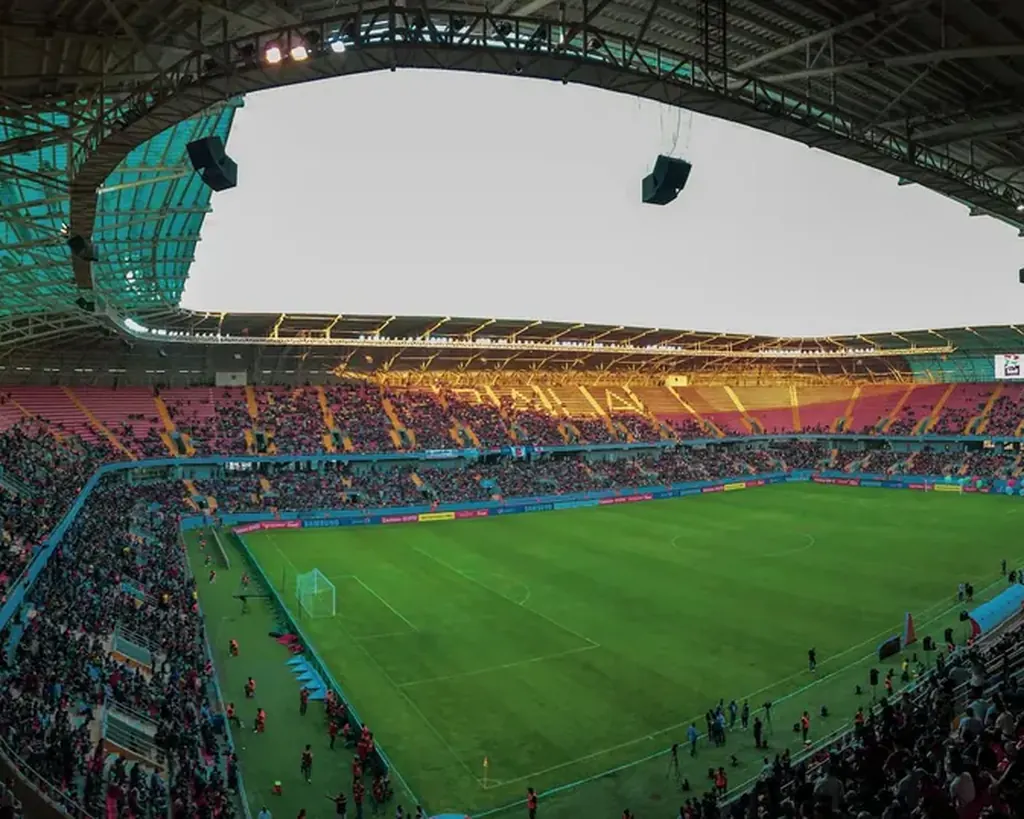
The match itself, of course, introduces the chaos variable. A single result can upend weeks of narrative scaffolding. This is where the "post-mortem" content cycle—typically found under `/press-conference-arsenal`—becomes fascinating. If Arsenal wins, the analysis is straightforward: tactical genius, squad depth, the "spirit of the club." If they lose, a more complex machinery kicks in. The defeat is rarely presented as a simple failure. Instead, it is dissected into sub-narratives: the referee's controversial decision, a single player's "unlucky" error, the opponent's "parking the bus" strategy. The manager’s press conference quotes are parsed for hidden meaning, and the search for a scapegoat begins. This is where the fan media's relationship with the club becomes adversarial, yet symbiotic. The criticism must be sharp enough to satisfy the audience's desire for accountability, but not so sharp that it alienates the club's PR apparatus, upon which the media outlet relies for access.
To understand the depth of this narrative construction, it helps to look at the historical context, which is often weaponized in derby coverage. A common feature in pre-match articles is the "history lesson," a selective look at past encounters. This is not a neutral academic exercise; it is a tool for framing the current team's identity.
Table 1: Hypothetical Historical Narrative Framing in Derby Coverage
| Era | Typical Framing in Arsenal Fan Media | Selective Emphasis | Omitted Context |
|---|---|---|---|
| The Wenger Years (Peak) | "We owned the fixture. The Invincibles era set the standard." | Dominant possession stats, high-scoring wins. | Financial doping of Chelsea under Abramovich, which changed the competitive landscape. |
| The Transition Era (2010s) | "A clash of philosophies: our youth vs. their mercenaries." | Individual moments of brilliance (e.g., a late goal). | The growing gap in squad depth and wage bills. |
| The Arteta Era (Present) | "A new identity. We are no longer bullied. The process is working." | Defensive solidity, set-piece goals, tactical discipline. | Inconsistent results against direct top-four rivals; Chelsea's own tactical volatility. |
This table illustrates a core problem: the narrative is always present-tense and self-referential. Each era is judged not against objective standards of success, but against the immediate emotional needs of the fanbase. The "history" is used as a rhetorical cudgel, not as a tool for genuine understanding.
Furthermore, the fan media’s coverage of individual players during derby week is a masterclass in confirmation bias. A player who has performed well against Chelsea in the past is anointed a "big-game player." A player who has struggled is labeled as "not up for the fight." This pre-assigned label then dictates how their performance is interpreted. A misplaced pass from the "big-game player" is an anomaly; the same pass from the "weak link" is proof of character failure. This is not journalism; it is character assassination or hagiography, depending on the pre-written script. The `/arsenal-top-scorers-history` section is often raided for such pre-match profiles, but the context of the goals (a tap-in vs. a 30-yard screamer, a goal in a 5-0 win vs. a goal in a 1-0 loss) is often flattened into a simple, celebratory number.
In conclusion, the Arsenal vs. Chelsea derby, as covered by Arsenal fan media, is a case study in the tension between fandom and information. The content is generated by passion, but it is distributed by algorithms that reward emotional extremes. The result is a cycle of hype, reaction, and narrative revision that serves the commercial interests of the platform more than the informational needs of the reader. A skeptical fan would do well to read the pre-match build-up and the post-match analysis with a critical eye, recognizing that the story being told is not about the game itself, but about the outlet's relationship with its audience. The real derby is not on the pitch, but in the battle for your attention.
Reader Comments (0)