

You’ve watched Arsenal grind out a 1-0 win at a rain-soaked Turf Moor, then tear apart a top-six rival with a blistering counter-attack three days later. How does the same team look so different from match to match? The answer lies in a tactical evolution that has transformed The Gunners from a possession-heavy, predictable side into a fluid, multi-system machine. Under Mikel Arteta, Arsenal has abandoned the rigid 4-3-3 of the early Emery era and embraced a shape-shifting approach that adapts to opponents, game states, and even individual player form. This isn’t just a formation change; it’s a philosophical overhaul rooted in Hale End principles and modern data analysis.
The Foundation: From 4-3-3 to a Fluid 4-2-3-1
When Arteta took over in December 2019, Arsenal’s tactical identity was fractured. The team lacked a coherent press, struggled to build from the back, and relied too heavily on individual brilliance. Arteta’s first major shift was implementing a 4-2-3-1 that prioritized defensive structure and controlled possession. The double pivot—often Thomas Partey with Granit Xhaka—provided cover for the back four while allowing the attacking midfielders freedom to rotate.
But the real evolution began in the 2022-23 season. Arteta started using his full-backs as inverted midfielders, a tactic borrowed from Pep Guardiola’s Manchester City. Oleksandr Zinchenko would drift into central midfield during build-up, creating a 3-2-5 shape in possession. This overloaded the midfield and allowed Arsenal to bypass the opposition’s first press. The system worked brilliantly—Arsenal led the Premier League for large parts of that season—but it also created vulnerabilities. When the inverted full-back lost possession, the team was exposed on the counter.
The Inverted Full-Back Revolution
Zinchenko’s arrival in 2022 was the catalyst. His ability to receive the ball under pressure and pick passes from central areas transformed Arsenal’s build-up. Ben White, on the right, also inverted, though less dramatically, often forming a back three with William Saliba and Gabriel Magalhães. This created numerical superiority in midfield—Arsenal could have five or six players in central areas against an opponent’s three or four.
However, this approach had a hidden cost. When Zinchenko pushed inside, the left flank was left exposed. Opponents like Aston Villa and Brighton exploited this by targeting the space behind him. Arteta responded by adjusting Zinchenko’s positioning based on the opponent. Against weaker sides, he inverted aggressively; against top teams, he stayed wider to provide defensive cover.
The Midfield Engine: Partey, Ødegaard, and the Xhaka Evolution
The midfield transformation has been equally dramatic. Granit Xhaka’s shift from a defensive midfielder to a left-sided eight was one of Arteta’s most underrated tactical moves. Xhaka’s ability to receive the ball in half-spaces and combine with Zinchenko created overloads on the left. Martin Ødegaard, as the right-sided eight, drifted centrally to dictate play, while Partey anchored the midfield.
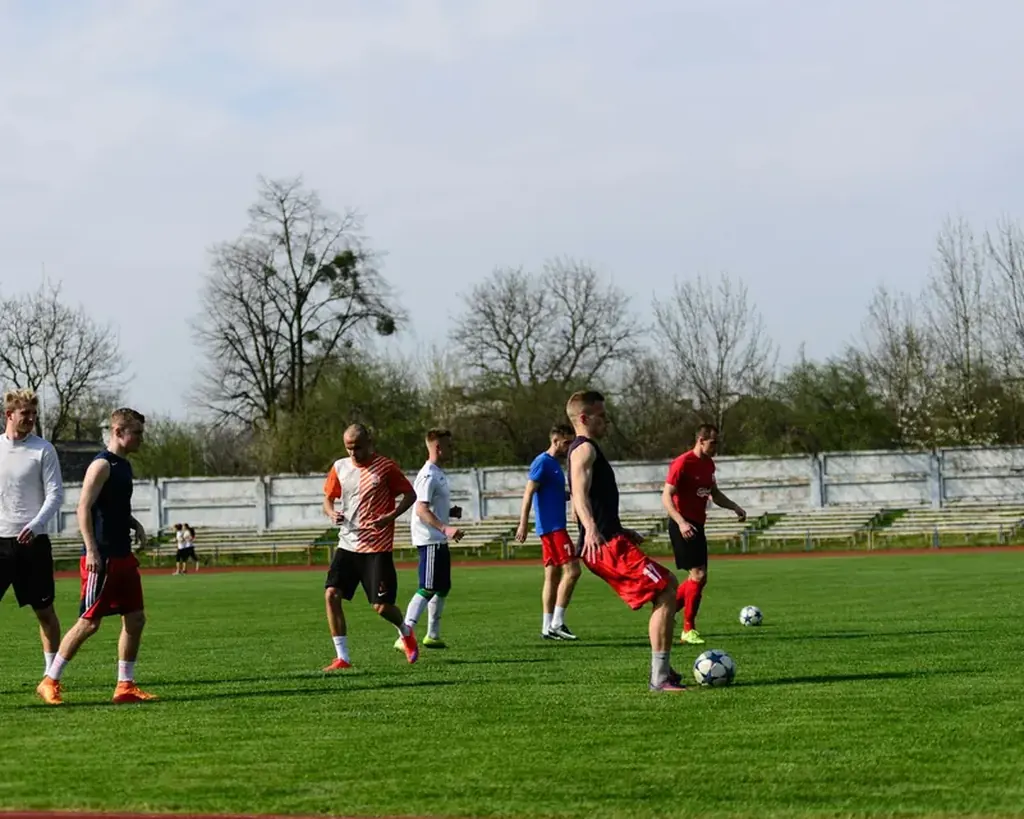
This system required immense tactical discipline. Ødegaard’s pressing from the front set the tone, while Partey’s ability to break lines with his passing allowed Arsenal to transition quickly. The midfield trio became the engine room, but it also demanded high fitness levels. When Partey was injured, Arsenal struggled to maintain the same tempo, leading to Arteta’s experimentation with Jorginho and Declan Rice.
The Evolution of the Press
Arsenal’s pressing has evolved from a chaotic, high-energy approach to a more structured, trigger-based system. In Arteta’s early days, the press was aggressive but disorganized—players would chase the ball without coordination. Now, the team uses a 4-4-2 press in a mid-block, with the striker and attacking midfielder cutting off passing lanes to the full-backs.
The key innovation has been the use of “pressing triggers.” Arsenal only presses when the opposition plays a backward pass, when a player receives the ball with his back to goal, or when the ball is in a wide area. This conserves energy and prevents the team from being pulled out of shape. Against teams that build from the back, like Manchester City, Arsenal sometimes drops into a 4-4-1-1 low block, inviting pressure before springing the counter.
The Set-Piece Revolution
Under set-piece coach Nicolas Jover, Arsenal has become one of the most dangerous teams from dead-ball situations. The approach is simple but effective: use decoy runs to create space for key headers, then crowd the goalkeeper. Arsenal’s near-post routines, where players like Gabriel and Saliba attack the ball at the front post, have yielded consistent results.
This isn’t just about scoring; it’s about controlling games. Arsenal uses set pieces as a way to break opponent momentum. When a team sits deep, a corner or free kick into the box can unsettle the defense and create second-ball opportunities. The data shows that Arsenal’s expected goals from set pieces have increased significantly since Jover’s arrival.
Tactical Flexibility in Key Matches
One of Arteta’s greatest strengths is his ability to switch systems mid-game. In the 2023-24 season, Arsenal used at least four distinct formations: the 4-3-3, the 4-2-3-1, a 3-4-3 in certain cup games, and a 4-4-2 when defending leads. Against Chelsea, Arteta abandoned the inverted full-back entirely, using White as a traditional right-back to nullify Raheem Sterling’s pace.

This flexibility is built on player versatility. Bukayo Saka can play as a winger or a wing-back; Gabriel Jesus can drop deep as a false nine or lead the line as a striker; Kai Havertz has been used as a left-sided eight, a striker, and even a center-forward. This adaptability makes Arsenal unpredictable and difficult to prepare for.
Comparison: Arteta’s Arsenal vs. Wenger’s Arsenal
| Aspect | Arteta’s Arsenal | Wenger’s Arsenal |
|---|---|---|
| Build-up | Controlled, patient, inverted full-backs | Quick, vertical, overlapping full-backs |
| Pressing | Structured, trigger-based, mid-block | High press, chaotic, man-oriented |
| Midfield shape | Double pivot with attacking eight | Single pivot with two creative eights |
| Set pieces | Structured, near-post routines | Often short corners, less emphasis |
| Defensive line | High line, offside trap | Moderate line, zonal marking |
| Substitutions | Tactical, game-state dependent | Often reactive, injury-based |
Risks and Challenges
No system is perfect, and Arsenal’s tactical evolution carries inherent risks. The high defensive line requires perfect coordination; one mistake can lead to a one-on-one chance. The inverted full-back system leaves the flanks exposed, especially against fast wingers. And the reliance on specific players—like Partey’s passing range or Zinchenko’s composure—means injuries can disrupt the entire system.
There’s also the risk of overcomplication. Against opponents who sit deep and counter, Arsenal’s possession can become sterile. The team sometimes struggles to break down low blocks, relying on individual brilliance or set pieces rather than cohesive attacking patterns. Arteta’s challenge is to maintain tactical flexibility without losing the team’s core identity.
Arsenal’s tactical evolution under Mikel Arteta is a story of adaptation, data-driven decision-making, and a commitment to modern principles. From the inverted full-back revolution to the structured press and set-piece innovation, the Gunners have built a system that can compete with the best in Europe. The journey isn’t over—Arteta continues to refine his approach, integrating new players like Declan Rice and adjusting to the demands of the Champions League. For fans who remember the disjointed football of 2020, this evolution feels like a new era. The challenge now is to sustain it, to turn tactical flexibility into consistent silverware. And if the trajectory holds, Arsenal might just be getting started.
For more on how Arsenal’s tactics compare to their biggest rivals, check out our Arsenal vs. Chelsea tactical comparison. And to understand the academy’s role in this evolution, read about Hale End training methods.
Reader Comments (0)