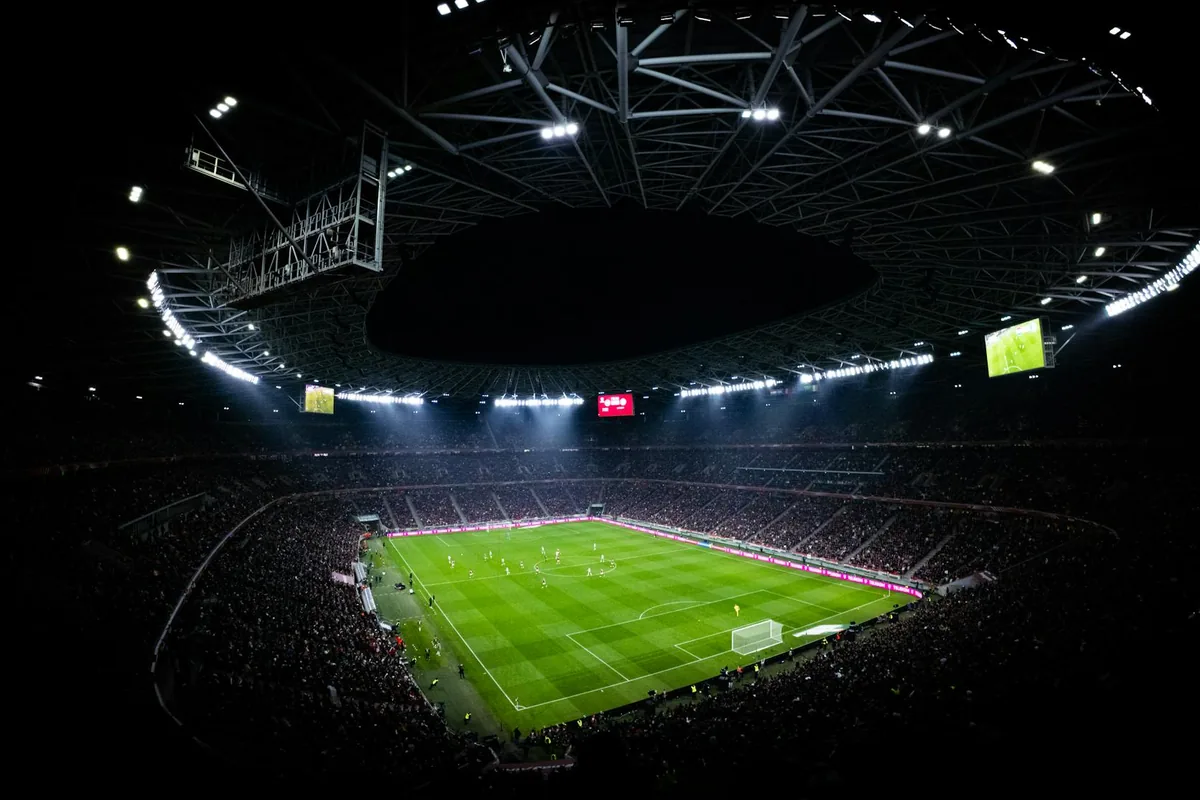
Arsenal's Counter-Attacking Strategies: A 2024 Breakdown
Under Mikel Arteta, Arsenal has evolved into a possession-dominant force, meticulously controlling games through structured build-up play. However, their most devastating weapon in the 2023/24 season and beyond has been a lethal, well-drilled counter-attacking system. This strategy is not a relic of a defensive past but a sophisticated, modern transition game designed to exploit space with blistering speed and precision. It represents a crucial tactical layer that complements their possession philosophy, making them a multifaceted and unpredictable opponent.
The Philosophical Foundation: Controlled Chaos
Arsenal's counter-attacks are far from haphazard. They are a product of Arteta's overarching tactical blueprint, which emphasizes control in all phases. The counter-press is the first trigger. When possession is lost, Arsenal's immediate, coordinated pressure aims to win the ball back high up the pitch, often catching the opposition disorganized. If this initial press is bypassed, the team transitions into a compact mid or low block, inviting pressure before springing forward with purpose. This duality—aggressive counter-pressing and structured deep defending—provides two distinct pathways to launch rapid transitions.
This approach has historical echoes at the club. While the legendary Invincibles team of 2003-04 is famed for its flowing football, it also possessed a devastating counter-attacking threat through the pace of Thierry Henry and Robert Pirès. Arteta's system institutionalizes this threat, making it a repeatable pattern rather than relying solely on individual brilliance.
Key Triggers and Player Roles
The system's effectiveness hinges on specific triggers and the intelligent execution of roles by every player.
The Defensive Shape: The Launchpad
Arsenal typically defends in a 4-4-2 or 4-5-1 mid-block. The compactness is key—it funnels the opposition into areas where Arsenal can win the ball and immediately find vertical passing lanes. The central defensive partnership of William Saliba and Gabriel Magalhães is fundamental, not just for their defensive solidity but for their ability to win the ball cleanly and play the first incisive pass. You can read more about their crucial partnership in our analysis of William Saliba's defensive partnerships.
The Engine Room: Rice and Ødegaard
The moment possession is regained, two players are pivotal. Declan Rice acts as the primary ball-winner and transition catalyst. His physicality and improving progressive passing allow him to break lines immediately, turning defense into attack in one action. Ahead of him, Martin Ødegaard operates as the "brain" of the counter. The captain constantly scans for space, dropping into pockets to receive the ball and instantly orient Arsenal's attack forward with his exceptional vision and passing range. His leadership in orchestrating these moments is detailed in our analysis of Ødegaard's captaincy impact.
The Wide Forwards: Saka and Martinelli
The system is built to unleash Bukayo Saka and Gabriel Martinelli. Their starting positions are high and wide, pinning opposition full-backs. When Arsenal regain possession, they instantly burst into the channels, demanding early, diagonal passes over the top or into space. Their direct running, one-on-one ability, and finishing make them the perfect outlets. The threat of Saka, in particular, forces teams to hesitate when committing players forward, creating a psychological edge.
The Striker's Role: Link and Stretch
Whether it's Gabriel Jesus, Kai Havertz, or another forward, the central striker has a dual function. First, they must provide a pressing trigger and help win the ball. Second, during the transition, they either make a selfless run to drag defenders and create space for the wingers, or they act as a link-up point, using their technical skill to hold the ball and bring the advancing midfielders into play. This fluid role is crucial for maintaining the counter-attack's momentum.
Signature Patterns of Play
Several recurring patterns define Arsenal's counter-attacks in 2024:
- The Long Diagonal Switch: From a regained ball in the left half-space, a rapid switch of play to the right wing, targeting Saka in isolation against a recovering defender. Ben White's underlapping run often provides the decoy or the overlap.
- The Central Surge: Rice or a center-back wins the ball and plays vertically to Ødegaard or the striker, who then releases Martinelli sprinting in behind the right-back. The speed of thought and pass is critical.
- The Full-Back Inversion as a Springboard: Interestingly, Arsenal's trademark inverted full-back role aids counters. When Oleksandr Zinchenko or another inverting full-back is positioned centrally in possession, their loss of the ball can actually be advantageous. They are already in a central area to counter-press, and if the ball is won back there, they can immediately play a penetrating pass, bypassing the opposition's midfield press.
For a deeper understanding of how these formations and roles interact, explore our guide to Arsenal's formation history and evolution.
Evolution Under Arteta and Future Refinement
Arteta's counter-attacking system has become more potent with strategic recruitment. The addition of Declan Rice provided the athleticism and ball-winning capability in midfield that was previously a gap. The development of Saliba and Gabriel into one of the Premier League's best pairings provides a stable platform. As noted by tactical analysts at The Mastermind Site, the integration of physical, technical, and intelligent players is what allows such a system to thrive at the highest level.
Looking ahead, refinement will focus on decision-making in the final third during these high-speed transitions and increasing the variety of finishing. The aim is to convert a higher percentage of these golden opportunities, which can be the difference in tight matches against elite opponents. The club's continuous tactical development under Arteta mirrors the revolutionary changes brought by past greats, much like Herbert Chapman's transformative impact in the 1930s.
A Potent Weapon in the Modern Arsenal
Arsenal's counter-attacking strategy in 2024 is a testament to modern tactical planning. It is a deliberate, coached mechanism that leverages the squad's specific strengths—youthful pace, technical security, and high football intelligence. It ensures that even when opponents manage to break through Arsenal's initial press, they face the threat of a devastating and coordinated response. This duality makes Arteta's Arsenal not just a team that controls games, but one that can decisively win them in the blink of an eye, a necessary trait for any side with aspirations of winning the biggest trophies. For further insight into the club's strategic building, review our analysis of Arsenal's transfer strategy.