Arsenal's Champions League Knockout Home Leg: The Emirates as a Fortress
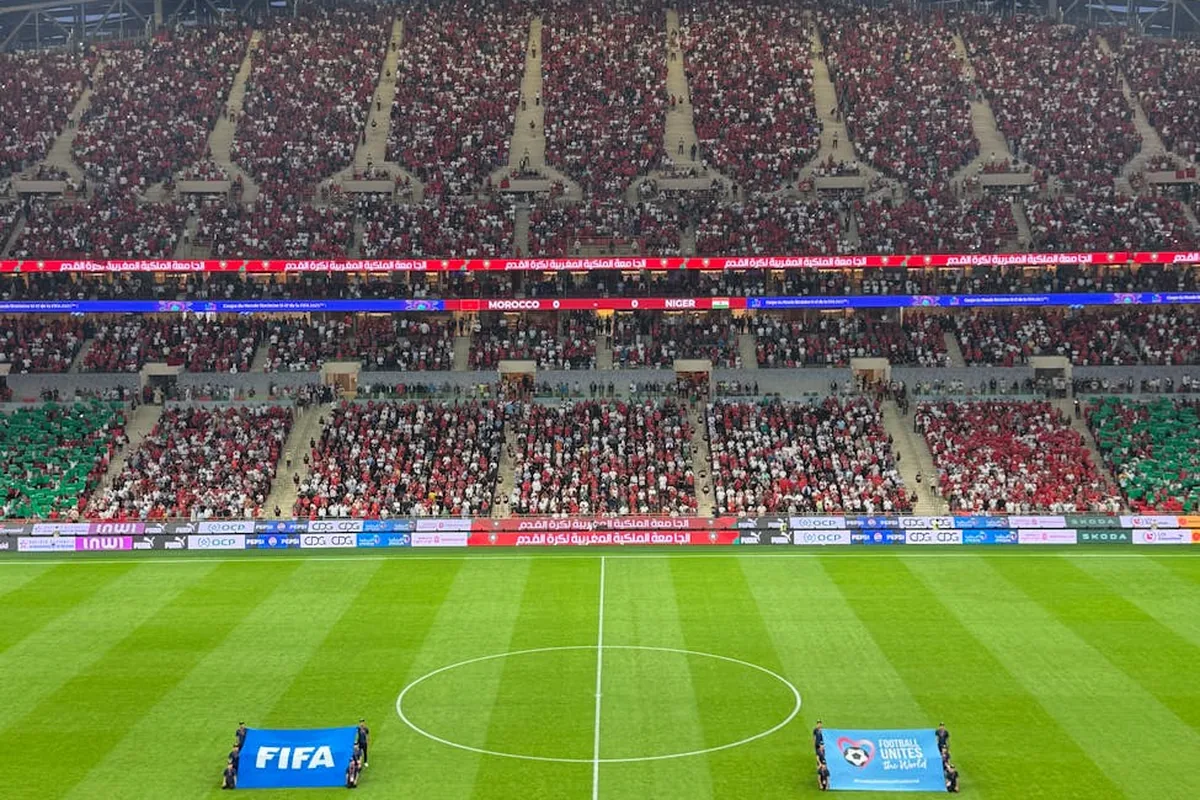
The roar that greets the Champions League anthem at the Emirates Stadium on a knockout night is a sound of profound significance. It represents not just anticipation for a football match, but the culmination of a long journey back to Europe's elite table. For Arsenal, a home leg in the Champions League knockout stages is a unique event, blending immense pressure with electric atmosphere, where performance and environment become intrinsically linked. This analysis delves into how the Emirates transforms on these nights and how Mikel Arteta's squad has learned to harness that energy to forge a formidable home advantage.
The Evolution of the Emirates Atmosphere
Historically, comparisons were often drawn between the intense, intimate atmosphere of Highbury Stadium and the larger, sometimes more corporate feel of the Emirates. However, the club's return to the Champions League knockout phase after a prolonged absence has catalyzed a dramatic shift. The atmosphere is no longer a topic of critique but a weapon. On knockout nights, the stadium is a sea of red and white from the first minute, with supporters understanding their role as a literal 12th man. This is a modern iteration of the famous "Highbury Library" myth-busting—a conscious, collective effort to create an environment that intimidates opponents and inspires players.
This transformation didn't happen overnight. It is the result of sustained on-pitch progress under Arteta, reconnecting the team's identity with the fanbase's passion. The crowd feeds off the team's high-intensity pressing and proactive play, and in turn, the players draw palpable energy from the stands during pivotal moments. Unlike a routine league match, the knockout tie carries a singular, win-or-go-home narrative that elevates every chant, every tackle, and every chance into a moment of shared destiny.
Tactical Performance Under the Spotlight
Mikel Arteta's tactical system is built for these high-stakes occasions. The home leg in a two-legged tie presents a specific strategic imperative: to establish dominance, secure a positive result, and ideally, build a lead without conceding. Arsenal's approach under Arteta has proven particularly adept at this.
Controlled Aggression and Possession Dominance
Arsenal typically seeks to impose their game from the outset. This involves a possession-dominant approach, but with a crucial edge of verticality. The build-up play, often orchestrated by the likes of Martin Ødegaard, is designed to draw opposition pressure before exploiting spaces with rapid transitions. At home, with the crowd's support, this style becomes even more effective. The team's pressing triggers are executed with greater synchronicity, often forcing turnovers in dangerous areas and leading to chances that send the stadium into a frenzy.
Defensive Solidity as the Foundation
Any hope of progressing in the Champions League is built on defensive resilience. The centre-back partnership of William Saliba and Gabriel Magalhães has been the bedrock of Arsenal's success. Their ability to defend proactively, step into midfield, and maintain a high line is critical in home legs where the team is expected to control territory. A clean sheet at home is often described as the "perfect" result, providing a stable platform for the away leg. The defensive unit's concentration, amplified by a supportive crowd that appreciates a crucial block or interception as much as a goal, is paramount.
Managing Momentum and Psychology
A key aspect of performance in these games is psychological. The weight of expectation is immense, recalling both past glories and near misses, such as the heartbreak in Paris in 2006. Arteta has worked intensely on the squad's mentality, fostering a belief that they belong on this stage. The home leg is about channeling nervous energy into focused intensity. Early goals are massively sought after to settle nerves and amplify the atmosphere, but the team has also shown maturity in grinding out results when the game is tight, a trait essential for deep European runs.
Historical Context and the Weight of Expectation
Arsenal's history in European competition provides a rich backdrop. While the club's trophy cabinet is filled with domestic honors, as detailed in our complete list of major honors, the ultimate European prize has remained elusive. Past successes, like the 1994 Cup Winners' Cup triumph, show the club's capability on the continent. The current project under Arteta is viewed by many as the most credible attempt to challenge for the Champions League since the era of The Invincibles.
This historical context adds layers to the Emirates atmosphere on knockout nights. There is a palpable sense of a fanbase willing a new generation to create their own legacy, to write a fresh chapter that perhaps one day rivals the stories of the 1971 Double or the 1998 Double-winning team. The connection between the stands and the pitch is a dialogue between the club's storied past and its ambitious future.
Key Players for the Knockout Stage Spotlight
Certain players thrive under the unique pressure of a Champions League knockout night at home. Their performances often dictate the outcome:
- Bukayo Saka: The homegrown star embodies the connection between team and fans. His direct dribbling and creativity are often the spark that breaks down deep-lying defenses, a common challenge in home legs. His development into a world-class talent is chronicled in our analysis of Bukayo Saka's evolution.
- Declan Rice: Signed for his big-game pedigree, Rice's role is crucial. He provides the defensive screen, initiates transitions, and can drive forward with the ball, balancing the team's offensive and defensive needs in a single tie. His transformative impact is analyzed in depth here.
- The Goalkeeper: Whether it's Aaron Ramsdale or David Raya, the goalkeeper's role in managing the game, starting attacks, and making that one critical save is magnified. A moment of goalkeeping brilliance can be as pivotal as a goal in preserving a home advantage.
The Ripple Effect and Future Aspirations
A successful home leg performance does more than just advance a tie; it reinforces a winning mentality and strengthens the bond within the club. It proves to the players they can compete with the very best and shows the global audience that the Emirates is once again a daunting destination. Each positive experience builds a template for future campaigns, gradually erasing the memories of past frustrations.
For continued insight into Arsenal's tactical approach in these high-pressure games, our Champions League Knockout Tactical Review offers a detailed breakdown. Furthermore, understanding the club's broader journey enriches the context of these big nights, as explored in our complete timeline of Arsenal FC history.
In conclusion, Arsenal's Champions League knockout home leg is a symphony of strategy, emotion, and raw energy. The Emirates Stadium, once questioned for its atmosphere, now stands as a modern fortress on these nights. Through a blend of tactical discipline, individual brilliance, and a symbiotic relationship with a fervent fanbase, Arsenal is crafting a new identity on the European stage—one knockout performance at a time. As the club continues to build, the dream of finally adding the continent's biggest prize to their storied history, as documented by UEFA's official history, feels more tangible with each passing season.