
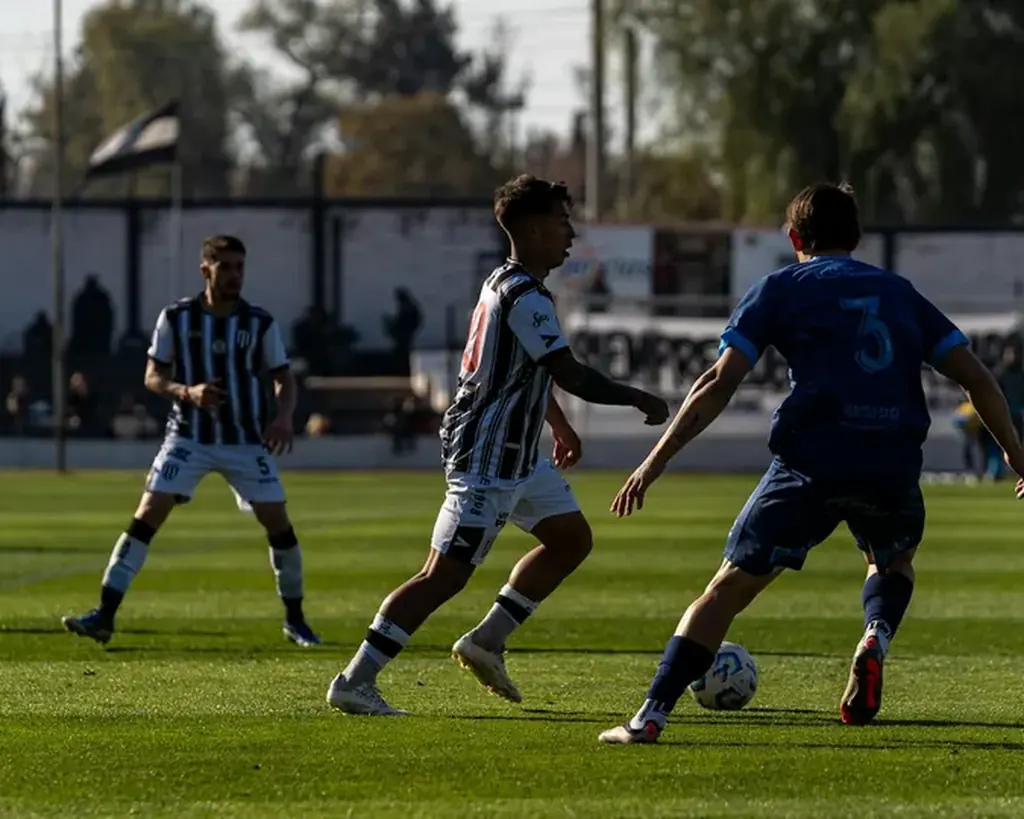
The pathway from Hale End to the Emirates Stadium has become one of the defining narratives of Arsenal’s modern identity. As the 2025 season unfolds, the club’s commitment to youth development remains a cornerstone of its long-term strategy, with several academy graduates and emerging prospects vying for first-team opportunities. This article examines the current state of Arsenal’s young players, assessing their potential contributions and the broader context of the club’s developmental framework.
The Hale End Pipeline: Recent Graduates Making an Impact
Arsenal’s academy has produced a steady stream of talent in recent years, with several players now established in the senior squad. The likes of Bukayo Saka, Emile Smith Rowe, and Eddie Nketiah have set a high benchmark, demonstrating that the pathway is viable for those with the requisite ability and temperament. In 2025, the focus shifts to the next wave of graduates who are beginning to stake their claims.
Ethan Nwaneri, who became the youngest player to appear in the Premier League, continues to develop within the first-team environment. His technical ability and composure on the ball have drawn comparisons to some of the club’s finest midfielders, though regular minutes remain a work in progress. Similarly, Myles Lewis-Skelly has shown promise in pre-season and cup appearances, offering versatility in midfield and defense. These players represent the immediate future, but their progression depends on consistent opportunities and physical maturation.
Prospects on the Cusp of First-Team Football
Beyond those already integrated into the senior setup, several academy prospects are generating significant interest. The under-21 squad features a number of players who could make the leap in the coming months, provided they continue to develop at their current trajectory.
One such player is Amario Cozier-Duberry, a winger known for his dribbling and directness. His performances for the youth teams have led to involvement with first-team training, and his style of play aligns with the attacking philosophy favored by the coaching staff. Another is Reuell Walters, a defender who has shown maturity beyond his years in the under-21 setup. His ability to play across the backline makes him a valuable asset, though breaking into a competitive defensive unit will require patience.
The table below provides an overview of key prospects and their current status within the club’s hierarchy.

| Player Name | Position | Current Level | Notable Attributes |
|---|---|---|---|
| Ethan Nwaneri | Midfielder | First Team | Technical ability, composure, vision |
| Myles Lewis-Skelly | Midfielder/Defender | First Team (fringe) | Versatility, ball progression |
| Amario Cozier-Duberry | Winger | Under-21 | Dribbling, directness, pace |
| Reuell Walters | Defender | Under-21 | Defensive awareness, versatility |
| Lino Sousa | Left-Back | Under-21 | Athleticism, crossing |
The Role of Loan Moves in Development
Loan spells have become an integral part of Arsenal’s youth development strategy, allowing young players to gain valuable first-team experience in competitive environments. The 2024-25 season has seen several prospects depart on temporary deals, with the aim of accelerating their growth.
Charlie Patino, who spent time at Blackpool and Swansea City in previous campaigns, is currently on loan at a Championship side where he has become a regular starter. His technical quality and passing range have been evident, though questions remain about his physicality and consistency. Similarly, Brooke Norton-Cuffy has continued his development in the second tier, showcasing his attacking instincts from right-back. These loans provide a crucial testing ground, and the club’s coaching staff monitor their progress closely to determine whether they are ready for Premier League football.
Challenges and Risks in Youth Integration
While the academy pipeline is a source of optimism, integrating young players into a competitive first team is not without its challenges. The demands of the Premier League require physical resilience, tactical discipline, and mental fortitude—qualities that take time to develop. Injuries, loss of form, or a lack of opportunities can derail promising careers, as seen with some previous prospects who failed to make the grade.
The club’s medical and sports science departments play a vital role in managing the workload of young players, particularly those who are still physically maturing. The balance between exposure and protection is delicate, and the coaching staff must make difficult decisions about when to introduce a player to the rigors of senior football. For more on how injuries have impacted the squad, see our analysis of the Arsenal injury crisis.
Comparing the 2025 Cohort to Previous Generations
The current crop of young players at Arsenal is often compared to the generation that emerged under Arsène Wenger in the late 2000s and early 2010s, which produced talents like Jack Wilshere, Kieran Gibbs, and Aaron Ramsey. While that group had its successes, injuries and squad instability limited their collective impact. The 2025 cohort benefits from a more structured developmental framework, with clearer pathways and a stronger emphasis on physical preparation.

The table below compares key metrics of the current youth setup to previous eras.
| Generation | Key Graduates | Notable Achievements |
|---|---|---|
| 2008-2012 | Wilshere, Gibbs, Ramsey | FA Cup wins, Champions League experience |
| 2018-2022 | Saka, Smith Rowe, Nketiah | Premier League title challenge, Europa League |
| 2025 Cohort | Nwaneri, Lewis-Skelly, Cozier-Duberry | Early cup appearances, loan experience |
The Manager’s Philosophy and Youth Integration
The current Arsenal manager has emphasized the importance of youth development, both in public statements and in team selection. The tactical system employed by the first team is designed to accommodate technically gifted players, which aligns well with the profile of academy graduates. However, competition for places is fierce, and young players must demonstrate not only talent but also a willingness to adapt to the demands of the system.
The manager’s track record with young players is promising, with several graduates earning regular minutes in domestic cup competitions and, in some cases, the Premier League. The club’s participation in the Champions League and domestic cups provides additional opportunities for rotation. For the latest on cup fixtures and potential youth involvement, check the Arsenal League Cup draw 2025.
Arsenal’s young players in 2025 represent a blend of immediate potential and long-term promise. The academy continues to produce technically proficient graduates who are well-suited to the club’s playing style, while loan moves provide a structured pathway for development. However, the challenges of integration, injury management, and competition remain significant. The club’s ability to nurture these talents while maintaining competitive performance will determine the legacy of this cohort. As the season progresses, the performances of Nwaneri, Lewis-Skelly, and others will be closely watched by fans and analysts alike, with the hope that they can emulate the success of those who came before them. For broader context on the squad and transfer activity, visit the Arsenal news and transfers hub.
Reader Comments (0)