
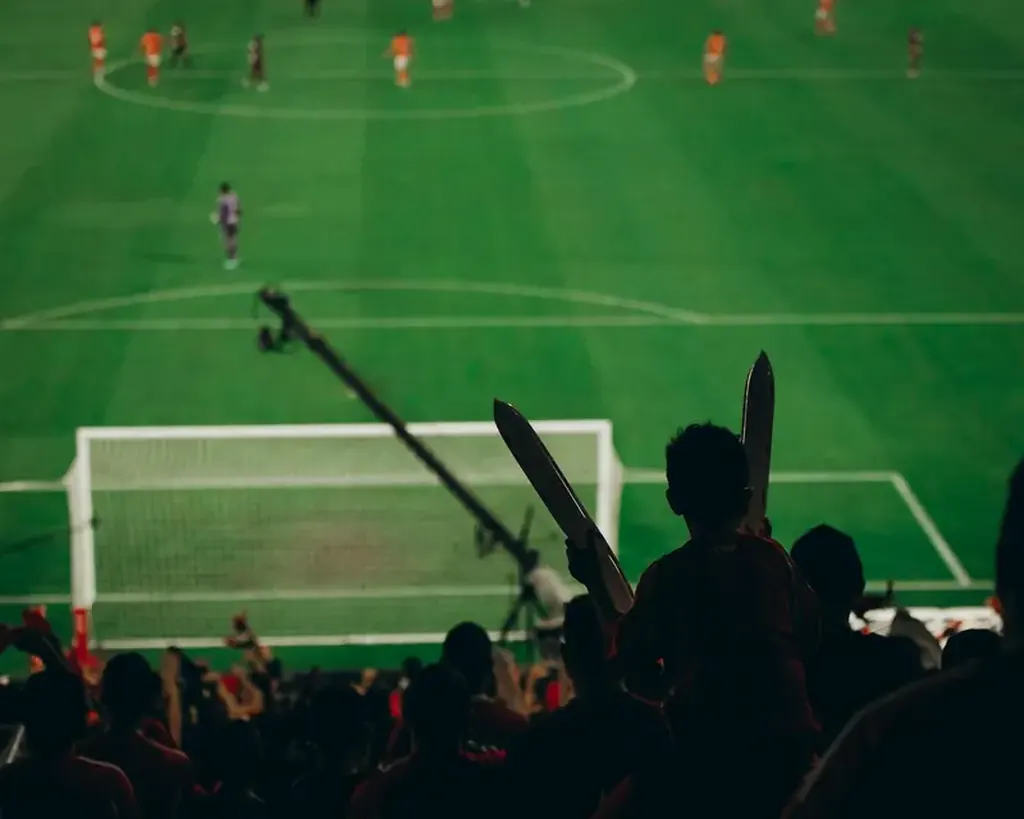
Let’s be honest with ourselves for a second—there’s a lot to love about this Arsenal side. The energy, the press, the way we’ve started to boss games again. But if you’ve spent any Saturday glued to the telly, you’ve probably felt that familiar knot in your stomach when things go sideways. We all know the Gunners have come a long way under Mikel Arteta, but no team is perfect, and pretending otherwise does us no favours. So, let’s roll up our sleeves and dig into the real tactical weaknesses that still haunt this squad—and, more importantly, what can be done about them.
The Problem: Defensive Transitions and the "Counter-Attack Trap"
You’ve seen it. We dominate possession for twenty minutes, pin the opposition back, and then one misplaced pass later, we’re scrambling back as three opponents sprint at our backline. It’s the classic Arsenal defensive transition issue—when we lose the ball high up the pitch, the shape collapses faster than a cheap umbrella in a London downpour.
The root cause? It’s partly structural. Arteta’s system asks full-backs to push high and invert into midfield, leaving space in the wide channels. When we lose possession, the centre-backs are often left isolated, especially if the midfield pivot doesn’t track back quickly enough. In recent seasons, a number of goals conceded have come from fast breaks originating in our own half, often after a turnover in the final third.
Step-by-Step Solutions for the Fan Watching at Home
You can’t change the formation from your sofa, but you can spot the warning signs. Here’s what to look for and how to think about the fix:
- Watch the Body Language of the Midfield Pivot. If Declan Rice or Thomas Partey is caught ball-watching after a pass goes astray, you know the transition is coming. The first step to solving this is communication—something that improves with game time together.
- Pay Attention to the Full-Back Recovery Runs. When Ben White or Oleksandr Zinchenko is slow to get back after an attacking foray, it leaves the centre-backs exposed. A tactical approach is to have one full-back stay deeper when the other pushes up, a variation that Arteta has used in certain matches.
- Look for the "Trigger" Passes. Often, the opposition targets the pass to the goalkeeper or a risky sideways ball in midfield. If you see a player under pressure trying to play out, expect the counter. The solution is to encourage safer options in those moments—even if it means a longer ball upfield.
When the Problem Requires a Specialist
Sometimes, this isn’t about individual errors—it’s a systemic issue that needs a tactical rethink. If Arsenal concedes goals from counters in high-stakes matches (such as Champions League knockout ties or North London derbies), it might be time for Arteta to consider a more conservative shape in specific phases. That’s a decision for the coaching staff, not something you can fix with a training drill. If you’re seeing the same pattern week after week, it’s a sign that the system itself needs adjustment—perhaps by dropping the defensive line deeper or using a dedicated defensive midfielder to screen the back four.
The Midfield Balance: Creativity vs. Control
Another recurring headache is the midfield. We’ve got players who can do it all—Rice for the dirty work, Ødegaard for the magic, Havertz for the unpredictability—but sometimes it feels like we’re trying to fit a square peg in a round hole. The issue? When Arteta plays two more defensive-minded midfielders, we lose the creative spark. When he plays two creators, we get overrun in the middle.
Step-by-Step Solutions for the Armchair Tactician
- Identify the "Weakest Link" in Pressing. If one midfielder is consistently bypassed by a simple one-two, that’s a sign of poor positioning. The fix is to drill pressing triggers—when the ball goes to a specific opponent, the whole midfield shifts together.
- Look for the "Pocket" Between Lines. A creative midfielder like Martin Ødegaard thrives when he finds space between the opposition’s midfield and defence. If he’s being man-marked out of the game, the solution is to rotate positions—have him drop deep to collect the ball, pulling the marker out of position.
- Check the Passing Lanes. If Arsenal is struggling to progress the ball through midfield, it’s often because the passing lanes are blocked. The answer is to use the full-backs or wingers to create width, stretching the opposition and opening up those central channels.
When a Specialist Is Needed
If the midfield imbalance persists against top sides like Manchester City or Liverpool, it’s a structural problem. Arteta might need to sign a player who can do both—a box-to-box midfielder with the stamina to press and the vision to create. Alternatively, he could tweak the formation to a 4-2-3-1 that gives more defensive cover while still allowing the number ten to roam. This isn’t a quick fix; it’s a long-term squad-building issue.
The Set-Piece Conundrum
We’ve improved here under set-piece coach Nicolas Jover, but there’s still a vulnerability, especially from corners and free-kicks whipped into the box. It’s not just about conceding goals—it’s about the chaos that ensues when we fail to clear the first ball. In recent seasons, goals have been conceded from second-phase set pieces, where the ball was cleared only to fall to an unmarked opponent on the edge of the box.
Step-by-Step Solutions for the Defender in All of Us
- Track the "Zonal" Markers. If you see two Arsenal players running into each other trying to mark the same opponent, that’s a communication breakdown. The fix is to assign clear zones and stick to them—no freelancing.
- Look for the "Short" Option. Opponents often use a short corner to pull defenders out of position. If you see the near-post defender rushing out, the solution is to have a midfielder drop back to cover the space.
- Practice the "Second Ball" Clearance. The most common error is heading the ball straight back into the danger area. The fix is to aim for the touchline or a teammate in space—not just a hopeful clearance.
When a Specialist Is Required
If set-piece vulnerability becomes a pattern—especially in tight matches where one goal decides the outcome—it’s time for a dedicated training session. Arteta and Jover have the tools, but they need to ensure every player knows their role. If you’re still seeing the same mistakes after a few months, it might be a personnel issue—some defenders simply aren’t strong in the air, and that’s a recruitment problem.
The Pressing System: When It Works and When It Doesn’t
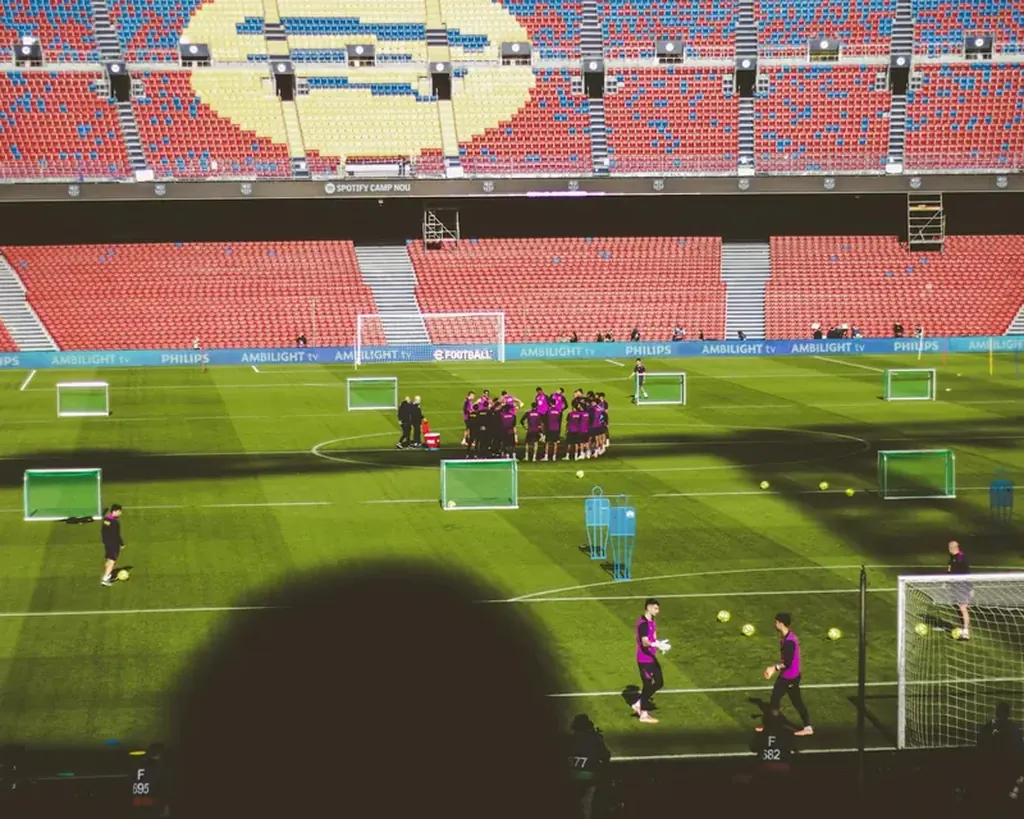
Arsenal’s high press is a thing of beauty when it clicks—watching the team swarm opponents like a pack of wolves is pure joy. But when it fails, it leaves us exposed. The issue is often the “trigger” for the press. If one player presses alone while the rest hang back, the opposition can play through us with a single pass.
Step-by-Step Solutions for the Tactical Observer
- Watch the "Trigger" Player. The press usually starts with the striker or winger. If Gabriel Jesus or Bukayo Saka runs at the defender but no one follows, that’s a coordination failure. The fix is to have the whole unit move as one—either everyone presses or no one does.
- Identify the "Weak" Presser. Some players are better at pressing than others. If a midfielder is consistently bypassed, it might be worth swapping roles—put the more energetic player in the pressing lane.
- Look for the "Bypass" Pass. Opponents often target the goalkeeper or centre-back who is comfortable on the ball. If you see a long ball over the top, the press has been beaten. The solution is to drop the defensive line deeper when the press fails, rather than chasing shadows.
When a Specialist Is Needed
If the press is consistently ineffective against teams that play out from the back, it’s a tactical flaw. Arteta might need to adopt a mid-block or low-block strategy against certain opponents, rather than trying to press every time. This is a game-by-game decision that requires careful analysis from the coaching staff.
The Final Word
No team is without flaws, and Arsenal’s are well-documented. But the beauty of football is that these problems can be solved—through better coaching, smarter tactics, and the occasional bit of transfer business. For more on how Arteta might tweak the midfield or improve attacking transitions, check out our pieces on Arsenal Midfield Tactics and Arsenal Attacking Transitions. And for a broader look at the system, our tactics hub has you covered.
Keep the faith, Gooners. The flaws are real, but so is the potential.
Reader Comments (0)