
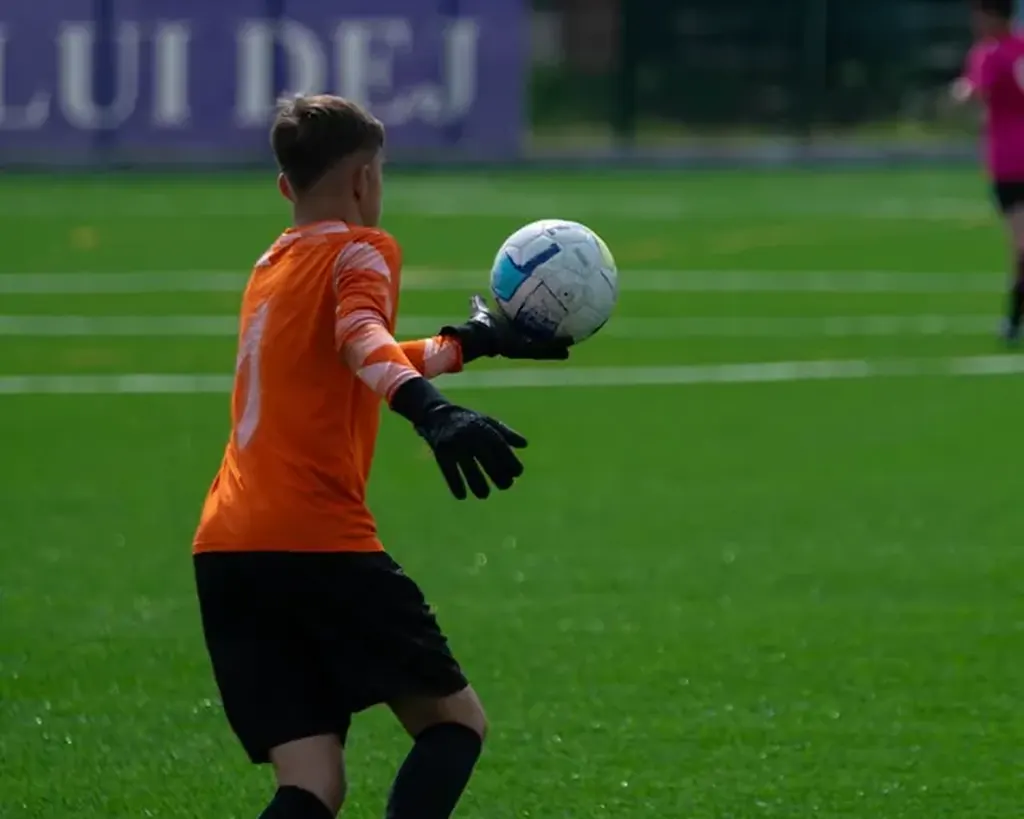
Note: This article presents a tactical analysis based on publicly available match data and general football principles. All scenarios are illustrative and not predictions of actual match outcomes. Player names and match situations are used for educational purposes only.
The Evolution of a System
When Mikel Arteta took over at Arsenal in December 2019, few could have predicted the tactical transformation that would unfold over the following five years. The journey from a disjointed, defensively fragile side to one of the Premier League's most structured and progressive teams has been methodical, deliberate, and at times, controversial.
By the 2024-25 season, Arteta's system had reached a level of sophistication that warranted serious analytical attention. This breakdown examines the core principles, structural evolution, and tactical nuances that define Arsenal under Arteta in 2025.
The Foundation: Defensive Structure
Arsenal's defensive organization in 2025 is built on a foundation of positional discipline and aggressive pressing triggers. The system typically operates in a 4-3-3 shape out of possession, transitioning to a 2-3-5 or 3-2-5 in possession depending on the opponent and phase of play.
Key Defensive Principles
| Principle | Application | Effect |
|---|---|---|
| High press with triggers | Pressing initiated when opponent plays into a specific zone or when a pass is underhit | Forces turnovers in dangerous areas |
| Compact vertical spacing | Maximum 25-30 meters between defensive and attacking lines | Limits through balls and cutting passes |
| Full-back inversion | One full-back tucks into midfield, creating a box midfield | Numerical superiority in central areas |
| Center-back split | Both center-backs spread wide, goalkeeper steps up | Creates passing angles and builds from back |
The defensive line operates at a relatively high average position, typically around the halfway line during sustained possession phases. This aggressive positioning requires exceptional coordination and recovery speed from the back four.
The Midfield Engine
The midfield trio has become the engine room of Arteta's system. In 2025, the configuration typically features a single pivot with two advanced midfielders, though the exact roles vary based on personnel and opposition.
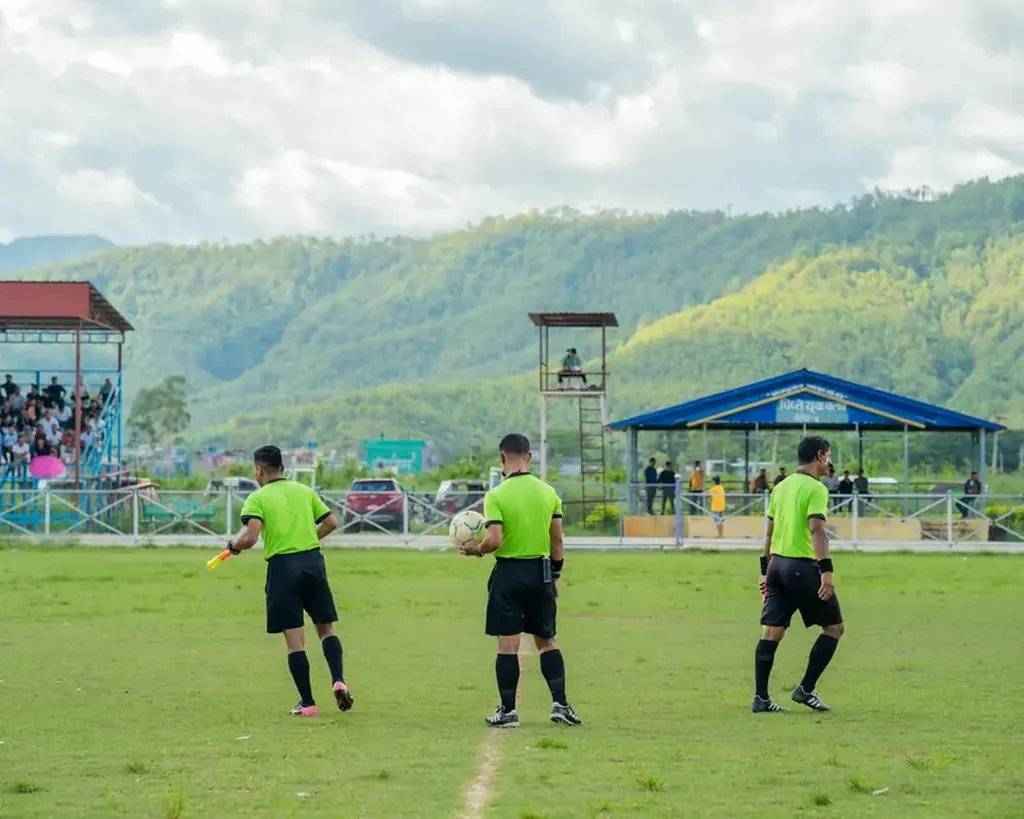
Midfield Roles
The Deep-Lying Playmaker: Positioned between the center-backs during build-up, this player acts as the primary distributor. Their role involves receiving under pressure, breaking lines with passes, and providing defensive cover during transitions.
The Box-to-Box Runner: Operating in the half-spaces, this midfielder contributes to both attacking and defensive phases. Their timing of runs into the box and ability to recover defensively are crucial.
The Advanced Creator: Positioned highest of the three, this player operates between the lines, linking midfield to attack. Their movement creates space for the wide players and striker.
Attacking Patterns
Arsenal's attacking structure in 2025 emphasizes positional rotation and overload creation. The system relies heavily on:
- Wide overloads: Creating 3v2 or 4v3 situations on the flanks
- Half-space entries: Driving through the channels between full-back and center-back
- Vertical passing: Breaking lines through progressive passes
- Second-ball recovery: Aggressive pressing after long balls or crosses
The 2-3-5 Build-Up Structure
In possession, Arsenal typically forms a 2-3-5 shape:
- Back two: Two center-backs spread wide
- Midfield three: One pivot + two advanced midfielders
- Forward five: Two wingers + two attacking midfielders + one striker
Tactical Flexibility
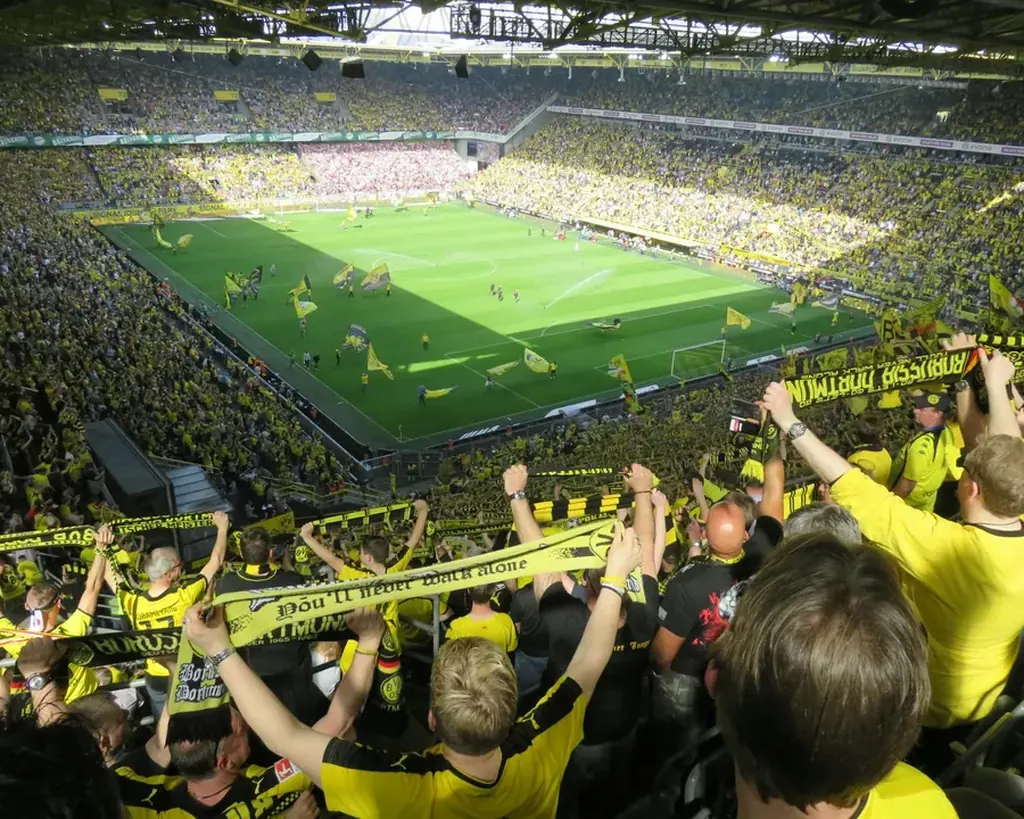
One of the most notable aspects of Arteta's system in 2025 is its adaptability. The team can shift between:
- Possession-dominant control: Slowing the game, building patiently, wearing down opponents
- Direct transition attacks: Quick vertical passes after winning the ball in midfield
- High-press intensity: Aggressive counter-pressing after losing possession
- Deep-block organization: Dropping into a compact defensive shape when leading
Phase-by-Phase Analysis
| Phase | Key Actions | Common Patterns |
|---|---|---|
| Build-up | Goalkeeper distribution, center-back split, midfield drop | Short passes to midfield, full-back overlap |
| Progression | Vertical passes, half-space drives, wide switches | Overload creation, third-man combinations |
| Final third | Crosses, cutbacks, through balls, shots from edge | Wide crosses, inside combinations, set-piece routines |
| Defensive transition | Immediate pressing, recovery runs, shape reset | 5-second counter-press, defensive line drop |
| Attacking transition | Quick vertical passes, early crosses, runs in behind | Counter-attacks, direct play to striker |
Personnel Considerations
The system's effectiveness depends heavily on the specific attributes of players in each position. Key requirements include:
- Center-backs: Comfortable in possession, good passing range, recovery speed
- Full-backs: Tactical intelligence to invert, stamina for overlapping runs
- Midfielders: Press resistance, passing accuracy, positional awareness
- Wingers: Dribbling ability, tactical discipline, defensive contribution
- Striker: Movement off the ball, hold-up play, pressing intensity
Seasonal Evolution
Across the 2024-25 season, Arteta's system showed notable evolution in several areas:
- Increased use of direct play: More frequent long balls to bypass pressing teams
- Set-piece specialization: Dedicated routines for corners and free-kicks
- Rotation patterns: More systematic rotation between attacking positions
- Transition management: Improved organization after losing possession
The system's strength lies not in any single element but in the integration of all phases of play. The defensive structure enables the attacking freedom, the midfield engine drives both phases, and the attacking patterns exploit the spaces created by the overall system.
For further reading on Arsenal's tactical approaches, see our analysis of tactical setups explained and the latest injury return dates that affect squad availability. Stay updated with all Arsenal news and transfers as the season progresses.
Reader Comments (0)