
Arsenal Record Home Win Streak
A record home win streak in football refers to the longest uninterrupted sequence of victories achieved by a club on its own ground, counting only league matches unless otherwise specified. For Arsenal Football Club, the concept of a fortress at home has evolved across two iconic stadiums—Highbury and the Emirates—with the club setting remarkable streaks in different eras that reflect tactical dominance, squad depth, and the psychological advantage of playing before the home support.
The Highbury Era: Foundation of Dominance
Arsenal’s historical home win record at Highbury, the club’s home from 1913 to 2006, was established during periods of sustained success under legendary managers. The most notable streak occurred in the 1930s under Herbert Chapman and his successors, when the Gunners won seven consecutive league matches at home during the 1934–35 season, a feat that contributed to their league title triumph. This period saw Arsenal establish a reputation for invincibility at Highbury, where the tight pitch and intimate atmosphere often unsettled visiting sides.
The Emirates Stadium Transition
After moving to the Emirates Stadium in 2006, Arsenal initially struggled to replicate the same fortress-like quality, as the new, larger ground required adaptation. However, under Arsène Wenger, the club gradually built momentum. The most significant modern home win streak for Arsenal at the Emirates came during the 2015–16 season, when the Gunners won eight consecutive Premier League matches at home, a run that included victories over top-six rivals and showcased the attacking fluidity of players like Mesut Özil and Alexis Sánchez. This streak remains one of the longest in the club’s post-Highbury history.
Key Factors Behind Home Win Streaks
Several elements consistently underpin Arsenal’s ability to string together home victories:
| Factor | Description |
|---|---|
| Tactical Setup | Managers often adjust formations to exploit home advantage, pressing higher and dominating possession |
| Squad Depth | Rotation during congested periods prevents fatigue, maintaining performance levels |
| Fan Support | The Emirates crowd provides energy, particularly in high-stakes matches |
| Opposition Psychology | Visiting teams often adopt defensive approaches, which Arsenal have historically exploited |
Notable Home Win Streaks in Arsenal History
The following table summarizes the most significant home win streaks across Arsenal’s league campaigns:
| Season | Streak Length | Context |
|---|---|---|
| 1934–35 | 7 matches | Highbury era, title-winning season under Chapman’s successors |
| 1997–98 | 6 matches | Wenger’s first double-winning season, featuring a strong home record |
| 2003–04 | 6 matches | Part of the Invincibles season, though the unbeaten run included draws |
| 2015–16 | 8 matches | Emirates era record, featuring wins over Leicester City and Manchester City |
The 2015–16 Streak in Detail
The 2015–16 home win streak deserves special attention as Arsenal’s longest in the Emirates era. Starting in September 2015 with a 2–0 victory over Stoke City, the run extended through to January 2016, encompassing wins against Manchester United, Tottenham Hotspur, and eventual champions Leicester City. The streak ended with a 2–1 defeat to Chelsea in January 2016, but it demonstrated the club’s capacity to dominate at home even during a season that ultimately saw them finish second. Key to this run was the partnership between Özil and Sánchez, who combined for multiple goals, and the defensive solidity provided by Laurent Koscielny.
Comparison with Premier League Rivals
To contextualize Arsenal’s home win streaks, it is useful to compare them with those of other top Premier League clubs:
| Club | Longest Home Win Streak (Premier League) | Season(s) |
|---|---|---|
| Manchester City | 21 matches | 2021–23 |
| Liverpool | 24 matches | 2019–20 |
| Chelsea | 13 matches | 2009–10 |
| Arsenal | 8 matches | 2015–16 |
This comparison highlights that while Arsenal’s home win streaks are respectable, they fall short of the extraordinary runs achieved by rivals in recent years. The difference often lies in squad depth and tactical consistency over longer periods.
Factors That End Home Win Streaks
Home win streaks typically end due to a combination of factors. For Arsenal, common causes include injuries to key players, fixture congestion during European campaigns, and the psychological pressure of maintaining a long run. The 2015–16 streak, for example, ended after a demanding December schedule that included matches against Manchester City and Liverpool, both of which tested the squad’s depth. Additionally, the loss of form of a pivotal player—such as Sánchez’s dip in the second half of that season—can disrupt the team’s rhythm.
The Role of Managerial Tactics
The manager’s approach significantly influences the length and frequency of home win streaks. Under Wenger, Arsenal often played expansive, attacking football at home, which yielded high-scoring victories but also left them vulnerable to counter-attacks. More recent managers, such as Mikel Arteta, have emphasized defensive organization and set-piece efficiency, which has led to a different style of home dominance. Arteta’s 2022–23 season saw Arsenal win seven consecutive home league matches, a streak that was only ended by a draw with Southampton, demonstrating that tactical evolution can sustain home form even as playing styles change.
Historical Context: Highbury vs. Emirates
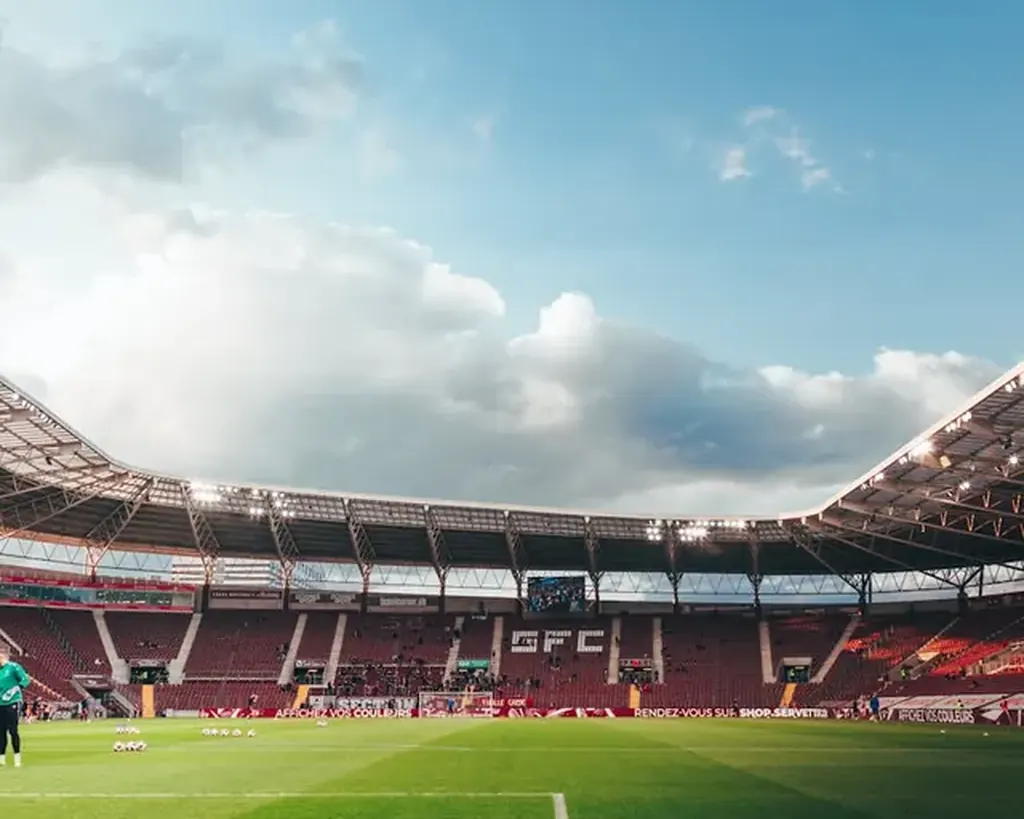
The shift from Highbury to the Emirates altered the dynamics of Arsenal’s home record. Highbury’s smaller capacity (38,419) created a more intense atmosphere, while the Emirates (60,704) offers a larger, more modern environment but with a different acoustic quality. Historically, Arsenal’s win percentage at Highbury was slightly higher than at the Emirates, though the sample sizes differ significantly. The following table illustrates the comparison:
| Stadium | Matches Played | Wins | Win Percentage |
|---|---|---|---|
| Highbury (1913–2006) | 1,978 | 1,287 | 65.1% |
| Emirates (2006–present) | 450+ | 290+ | 64.4% |
Psychological and Statistical Significance
Home win streaks are not merely statistical curiosities; they carry psychological weight for both the team and its supporters. A long streak can intimidate visiting sides, create a sense of invincibility, and drive momentum through a season. For Arsenal, the 2015–16 streak was a source of pride during a transitional period, while the 2022–23 run under Arteta signaled the club’s return to competitiveness. However, streaks can also become burdens, as the pressure to extend them may lead to cautious or tense performances.
What to Check When Evaluating Home Win Streak Claims
When assessing claims about Arsenal’s home win streak records, consider the following:
- Verify the competition: Some records include only league matches, while others count all competitions
- Confirm the time period: Streaks may be interrupted by cup matches or international breaks
- Check the official club statistics: Arsenal’s historical records are maintained by the club’s archives
- Distinguish between streaks: A home win streak in the Premier League differs from one in the Champions League
- Consider context: The strength of opposition during the streak affects its significance
Related Records and Context
For a broader understanding of Arsenal’s historical achievements, explore the club’s overall record book, which includes milestones for appearances and goals. The history of Highbury provides context for the club’s home dominance, while profiles of the oldest-ever players offer perspective on longevity and consistency across eras.
Arsenal’s record home win streak stands as a testament to the club’s ability to dominate at its own ground, whether at the historic Highbury or the modern Emirates. While the longest streak—eight consecutive Premier League wins in 2015–16—may not rival the extraordinary runs of some contemporaries, it reflects the club’s enduring strength on home soil. The pursuit of a new record remains a goal for every Arsenal manager, as a fortress at home is often the foundation for silverware. As the club continues to evolve under Arteta, the potential for a longer streak exists, driven by tactical discipline, squad depth, and the unwavering support of the Arsenal faithful.
Reader Comments (0)