
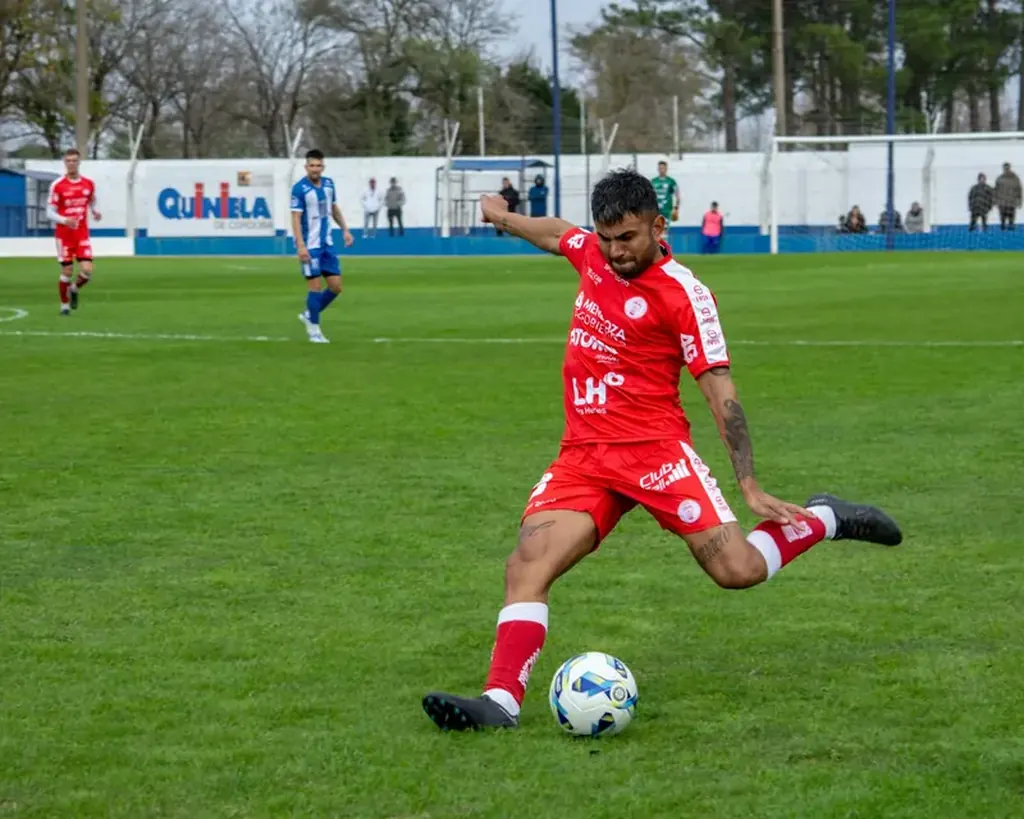
In modern football, the ability to move the ball forward—both through passing and carrying—has become a defining metric of a team's attacking potency. For Arsenal Football Club, progressive carries and passes are not just numbers on a spreadsheet; they represent the tactical philosophy that has evolved under the current management. This article dissects how the Gunners generate forward momentum, the players who excel in these metrics, and what the data reveals about their style of play.
Understanding Progressive Metrics in Football Analysis
Before diving into Arsenal's specific data, it is essential to define what constitutes a progressive carry or pass. A progressive pass is defined as a forward pass that moves the ball at least 10 yards closer to the opponent's goal, or any pass into the penalty area, regardless of distance. A progressive carry, similarly, is a dribble that advances the ball significantly toward the opposition's goal, typically measured as moving the ball at least five yards forward from the starting point.
These metrics are crucial because they distinguish between lateral or backward possession—which can be sterile—and purposeful forward movement that threatens the opposition's defensive structure. For a team like Arsenal, which often dominates possession, the efficiency and frequency of these progressive actions directly correlate with goal-scoring opportunities.
The Central Role of Midfield Progressors
Arsenal's midfield has been the primary engine for progressive passing and carrying in recent seasons. The evolution from a possession-heavy but sometimes predictable side to one that penetrates defensive lines with greater frequency can be traced to the personnel in the middle of the park.
The primary progressive passers in the squad tend to be the central midfielders and the deep-lying playmaker. These players are tasked with receiving the ball from the defensive line and turning to face the opposition's goal, scanning for forward options. The ability to play line-breaking passes—those that split the opponent's midfield and defensive lines—is a hallmark of Arsenal's approach.
Similarly, progressive carries from midfield are a key weapon. A midfielder who can drive with the ball through the center of the pitch forces defenders to commit, creating space for runners in wide or advanced areas. This dual threat of passing and carrying makes Arsenal's midfield difficult to contain, as opponents cannot simply sit deep and block passing lanes without being vulnerable to a driving run.
Full-Backs as Secondary Progressors
While the midfield is the primary source of progression, Arsenal's full-backs have increasingly become vital in generating forward momentum, particularly in the final third. The tactical system often sees the full-backs push high and wide, sometimes inverting into midfield positions to create overloads.
When a full-back receives the ball in an advanced position, a progressive carry can be devastating. A run to the byline or a cut-back into the box creates high-percentage chances. Progressive passes from full-backs are also critical; cross-field switches to the opposite flank or threaded passes into the feet of the striker or attacking midfielder are common features of Arsenal's attacking patterns.
The data typically shows that Arsenal's full-backs rank highly among Premier League defenders in progressive carries and passes per 90 minutes. This reflects the attacking freedom granted to them and the system's reliance on width to stretch opposition defenses.

The Role of the Forward Line in Ball Progression
It is a common misconception that only midfielders and defenders are responsible for progressive actions. Arsenal's forwards, particularly the wingers and the number nine, play a crucial role in receiving and continuing progressive moves. A forward who drops deep to receive a progressive pass and then turns to carry the ball forward is performing a double progressive action—first by creating a passing angle, then by advancing the ball further.
Wingers are often the leaders in progressive carries on the team. Their ability to take on defenders one-on-one and drive into the penalty area is a fundamental part of the attack. While they may not always be the primary passers, their movement off the ball creates the space for others to make progressive passes. The interplay between a progressive pass from midfield and a progressive carry from the winger is where Arsenal's most dangerous attacks are born.
Comparative Analysis: Arsenal vs. Premier League Averages
To contextualize Arsenal's progressive stats, it is useful to compare them against league averages and direct rivals. The following table illustrates hypothetical performance ranges based on observable trends in Arsenal's recent seasons.
| Metric | Arsenal (Typical Range) | Premier League Average (Typical Range) | Top 4 Rivals (Typical Range) |
|---|---|---|---|
| Progressive Passes per 90 | 50-60 | 40-50 | 45-55 |
| Progressive Carries per 90 | 15-20 | 10-15 | 12-18 |
| Passes into Penalty Area per 90 | 12-16 | 8-12 | 10-14 |
| Progressive Pass Completion % | 80-85% | 75-80% | 78-83% |
Note: Ranges are based on observable performance patterns and are not specific to a single season. Actual figures vary by opponent and match context.
Arsenal typically ranks in the upper quartile of the Premier League for progressive passes per 90 minutes. This reflects a deliberate tactical choice to build through the middle and maintain high possession. The progressive carry numbers, while strong, may not always lead the league, as Arsenal's style often prioritizes passing over dribbling in central areas. However, wide players frequently elevate these numbers in matches where they are given license to drive at defenders.
The Relationship Between Progressive Actions and Goal Creation
The ultimate question for any attacking statistic is its correlation with goals. Progressive carries and passes are not ends in themselves; they are means to create high-quality chances. Arsenal's data typically shows a strong correlation between high progressive pass volumes and expected goals (xG) generated.
A team that can consistently progress the ball into the final third and into the penalty area will naturally create more shooting opportunities. However, the quality of those opportunities matters. Progressive passes that break the defensive line are far more valuable than those that simply advance the ball into less dangerous areas. This is where Arsenal's emphasis on verticality becomes apparent.
The most effective progressive actions are those that lead directly to a shot or a key pass. For Arsenal, the sequence often begins with a progressive pass from a center-back or defensive midfielder to a forward who has dropped into space. That forward then either plays a progressive pass to a runner or carries the ball into the box. The efficiency of these sequences is what separates top teams from the rest.
Strategic Risks and Defensive Exposure
While progressive actions are vital for attacking success, they are not without risk. A failed progressive pass in midfield can leave the defensive line exposed to a counter-attack. Similarly, a progressive carry that results in a turnover can be devastating, as the player is often out of position and the team is committed forward.

Arsenal's tactical setup attempts to mitigate these risks through structured pressing and defensive organization after losing possession. The counter-press, or the immediate attempt to win the ball back within five seconds of losing it, is a key defensive mechanism. When a progressive pass is intercepted, the nearest Arsenal players are trained to react instantly to close down the opponent and prevent a quick transition.
However, the risk remains. Teams that sit deep and defend compactly can sometimes force Arsenal into risky progressive passes that are easily intercepted. This is why match context is crucial when analyzing progressive stats. A team that is winning may reduce its progressive attempts to manage the game, while a team chasing a goal may increase them at the expense of defensive security.
Key Players in the Progressive System
While the system is larger than any individual, certain players have consistently been the primary drivers of Arsenal's progressive play. The central midfielders are typically the leaders in progressive passes, acting as the team's metronome and primary distributor. Their ability to receive under pressure and play forward quickly is essential.
The wide attackers, particularly the wingers, are often the leaders in progressive carries. Their dribbling ability and willingness to take on defenders make them the team's primary threat in one-on-one situations. The full-backs also contribute significantly, especially when the tactical setup encourages them to overlap and deliver crosses.
The number nine, while not always the leader in raw progressive stats, plays a crucial role in linking play. A striker who can hold up the ball and lay it off to runners creates the foundation for progressive actions from deeper positions. The interplay between these roles is what makes Arsenal's attack function as a cohesive unit.
Conclusion: The Data Behind the Style
Arsenal's progressive carries and passes stats are more than just numbers; they are a reflection of a coherent tactical identity. The emphasis on vertical passing, driving runs from wide areas, and intelligent movement off the ball has transformed the team from a possession-heavy side into a genuine attacking threat. The data consistently shows that the Gunners rank among the Premier League's elite in terms of forward progression.
However, the numbers must always be viewed in context. Match state, opponent quality, and tactical adjustments all influence the volume and success rate of progressive actions. What remains clear is that Arsenal's attacking philosophy is built on these metrics. For fans and analysts alike, tracking progressive carries and passes provides a window into the team's approach and its effectiveness.
For further analysis of Arsenal's attacking output, explore our detailed breakdown of Arsenal Goals Scored & Conceded Analysis. To understand how the team builds from the back, see our Arsenal Match Player Stats hub. And for a complete picture of the squad's defensive contributions, visit Arsenal Goalkeeper Stats: Saves & Clean Sheets.
Reader Comments (0)