
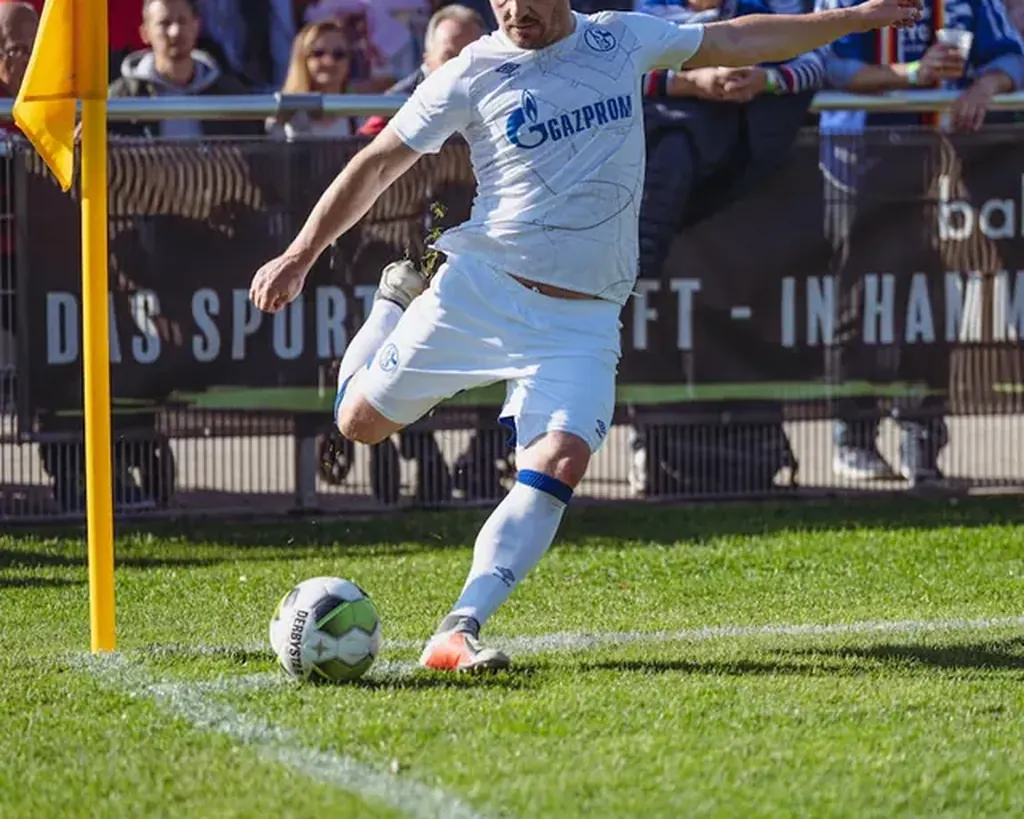
In modern football, the question of squad rotation is no longer a luxury but a strategic necessity, particularly for a club competing on multiple fronts like Arsenal. The relentless calendar of the Premier League, coupled with deep runs in domestic and European competitions, places an unprecedented physical and mental burden on players. For the Gunners, the distribution of minutes across the squad has become a defining metric of their campaign’s sustainability and ambition. A team that relies too heavily on a core of eleven or twelve players risks burnout and a collapse in the final third of the season; one that rotates too aggressively may sacrifice rhythm and cohesion. This analysis dissects the patterns of playing time at Arsenal, examining how the management of minutes influences performance, injury risk, and the club’s ability to maintain a title challenge across all competitions.
The Core Eleven: Workload and Durability
Every squad has its indispensable figures, and Arsenal is no exception. The defensive spine, often anchored by a commanding centre-back and a deep-lying playmaker, typically logs the highest number of minutes. These players are the engine room of the team, providing stability and dictating tempo. However, the modern game demands that even these stalwarts be managed carefully. The difference between a player who starts 38 league matches and one who starts 34 can be the difference between a fresh, explosive performance in April and a fatigued, error-prone display.
The challenge for the coaching staff lies in identifying the threshold where diminishing returns set in. A player who consistently plays 90 minutes every three days over a four-month period will inevitably see a statistical decline in key performance indicators: distance covered, sprint intensity, passing accuracy under pressure, and defensive duels won. The data typically shows a clear correlation between cumulative minutes and a drop in high-intensity output. For a team that relies on a high press and quick transitions, this is a critical vulnerability.
The Rotational Core: Depth and Versatility
Beyond the regular starters lies the rotational core—the players who provide the necessary cover to keep the first team fresh. This group often comprises utility players capable of filling multiple roles, academy graduates eager for opportunities, and experienced professionals who accept a squad role. The effectiveness of a rotation policy hinges on the quality of these players. A drop-off in quality from starter to substitute is inevitable, but the goal is to minimize that gap.
The true art of squad rotation is not just about giving players rest; it is about tactical flexibility. A manager might rotate a winger not just to rest the starter, but to change the dynamic of the attack against a specific opponent. A player with different physical attributes or a unique skill set can be deployed to exploit a weakness in the opposition’s defense. This requires a deep understanding of both the squad’s capabilities and the opponent’s vulnerabilities. The minutes played by these rotational players are not merely a reflection of injury cover but a proactive tactical tool.
The Academy Pipeline: Minutes as a Development Tool
For a club with Arsenal’s history of promoting youth, the distribution of minutes to academy graduates is a crucial long-term investment. The path from Hale End to the Emirates Stadium is rarely a straight line. Young players often require a phased introduction to senior football: substitute appearances, starts in cup competitions, and gradually increasing league minutes. This process is as much about physical adaptation as it is about psychological readiness.
The data on minutes for young players is often as revealing as their goal or assist tallies. A player who accumulates 800 minutes across a season, with a mix of starts and substitute appearances, is generally on a healthy development curve. They are gaining experience without being overexposed. The danger lies in either underplaying a promising talent—stunting their growth—or overplaying them before they are physically ready, leading to injury or a loss of confidence. The management of this pipeline is a delicate balancing act that defines a club’s ability to produce its own stars.
The Perils of Overreliance: Injury and Fatigue
The most significant risk associated with imbalanced minute distribution is injury. Fatigue is a primary contributor to soft-tissue injuries—hamstring strains, groin problems, and calf issues. These injuries often occur in the latter stages of matches or during congested fixture periods. A squad that consistently fields the same players is statistically more likely to suffer these setbacks.
The data on injury rates across a season is a stark warning. Forwards and wingers, who are required to produce frequent high-speed sprints, are particularly susceptible. Central midfielders, who cover the most ground, also face a high risk. The only effective mitigation is a disciplined rotation policy that prioritizes load management. This is not a sign of weakness but of strategic foresight. A player rested for a league match against a mid-table opponent is a player who might be available and explosive for a Champions League quarter-final.
The Impact on Team Performance and Chemistry
There is a persistent debate about the effect of rotation on team chemistry. Some argue that a settled eleven builds an unbreakable understanding and automaticity. Others counter that a fresh squad, with players competing for their places, maintains a higher intensity in training and matches. The truth, as with most things in football, lies in the middle.
Data from successful campaigns often shows a balance. The core players still accumulate the majority of minutes, but the gaps are smaller. The distribution of minutes across the squad is more even, with no player exceeding a certain threshold of total game time. This creates a competitive environment where no one is guaranteed a starting place, but everyone understands their role. The result is a squad that is both cohesive and resilient, capable of maintaining a high level of performance regardless of the fixture schedule.
A Framework for Understanding Minutes Data
To analyze squad rotation effectively, it is useful to categorize players by their minute totals. A simple framework can help visualize the balance of a squad.

| Category | Approximate Minutes per Season (All Comps) | Role Description | Risk Profile |
|---|---|---|---|
| Core Starters | >3,000 | Undisputed first-choice, play in nearly every important match | High risk of fatigue and injury |
| Key Rotational | 1,500 – 3,000 | Regular starters who are occasionally rested or used as impact subs | Moderate risk; managed workload |
| Squad Players | 500 – 1,500 | Provide cover for injuries and cup competitions | Low risk; development focus |
| Academy/Depth | <500 | Young players or specialists used sparingly | Very low risk; high development potential |
This framework is not a rigid rule but a guideline. The optimal distribution depends on the specific demands of the season. A team that suffers few injuries might see its core starters exceed the 3,000-minute mark, while a team with a deep squad might have a more even spread.
Strategic Recommendations for Arsenal
For a club with Arsenal’s ambitions, the approach to squad rotation must be proactive rather than reactive. Waiting for a player to show signs of fatigue is often too late. A data-driven approach, monitoring training loads, match intensity, and historical injury patterns, is essential.
The club must also consider the psychological dimension. Players who are rested need to understand the rationale and trust the process. A clear communication strategy from the coaching staff is vital. The goal is to create a culture where rotation is seen as a sign of a professional, high-performance environment, not as a demotion.
Furthermore, the transfer strategy must support the rotation policy. Signing players who are comfortable in multiple positions or who are willing to accept a squad role for the greater good of the team is crucial. The days of a clear first eleven and a second eleven are over. Modern squads require a fluid hierarchy where roles change based on form, fitness, and the opponent.
The analysis of minutes played is a window into the strategic heart of a football club. For Arsenal, the data reveals a constant tension between the desire for stability and the necessity of rotation. A successful campaign is not just about having the best eleven players; it is about having the best twenty to twenty-two players who can be deployed effectively across a grueling season. The clubs that master this balance are the ones that lift trophies in May. As the Gunners continue to evolve under their current leadership, the management of playing time will remain a central pillar of their pursuit of excellence. For a deeper dive into related performance metrics, explore our analysis of Arsenal Match Player Stats and our breakdown of Arsenal Goals Scored and Conceded Analysis. Understanding the defensive side of the equation is equally vital, as detailed in our Arsenal Defensive Stats: Clean Sheets and Tackles report. The minutes tell a story, and for Arsenal, that story is still being written.
Reader Comments (0)