
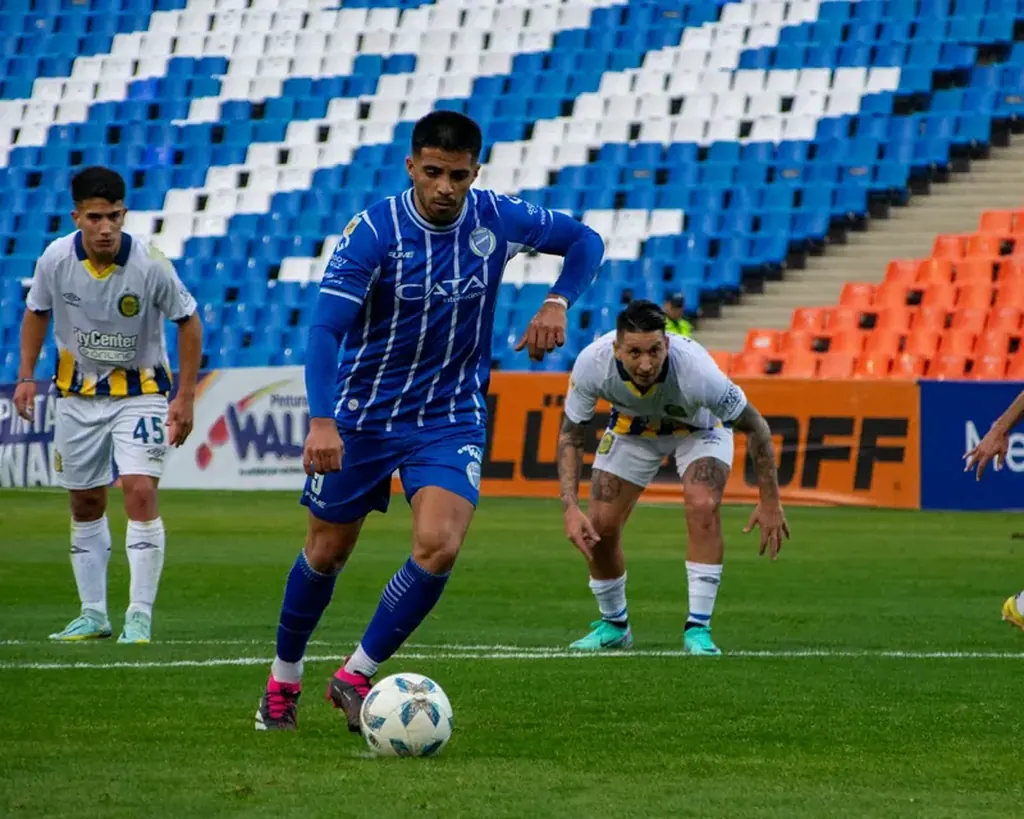
You know that moment when Bukayo Saka picks up the ball on the right wing, and you're already on your feet because you know what's coming? The full-back behind him has already started his run, the midfield has shifted to cover the space, and within two passes, Arsenal have created a chance out of nothing. That's not luck—that's a system. And at the heart of that system are the full-backs, the players who have become the most tactically versatile pieces in Mikel Arteta's chessboard.
The Evolution of the Arsenal Full-Back
Let's be honest: the full-back role at Arsenal hasn't always been this glamorous. For years, it was about who could track back fastest and who could put in a decent cross. But under Arteta, the position has transformed into something far more complex. The modern Arsenal full-back isn't just a defender who occasionally ventures forward—they're a playmaker, a midfielder, a winger, and a defender all rolled into one.
The shift started subtly. When Arteta arrived in December 2019, he inherited a squad that had been through tactical chaos. But he had a vision: full-backs who could control the tempo of the game. Look at how Kieran Tierney was used in those early seasons—overlapping runs, crosses from deep, energy up and down the flank. Then came the inverted revolution with Oleksandr Zinchenko, and suddenly, the full-back role wasn't just about width anymore.
Overlaps: The Classic Weapon
The overlap remains one of Arsenal's most dangerous attacking tools, even if it's not the only one anymore. When a full-back bombs past the winger on the outside, it creates a numerical overload that defenses hate dealing with. The winger can either pass and move inside, or the full-back can whip a cross into the box. It's simple, but when executed with precision, it's devastating.
Take the connection between Ben White and Bukayo Saka on the right. White's overlapping runs have become a signature move. Saka drifts inside, drawing the left-back and left-winger with him, and suddenly White has ten yards of space to run into. The ball arrives at his feet, and he's already looking for the cut-back or the cross. It's a move that's been rehearsed so many times that it feels instinctive now.
But here's the thing about overlaps: they require perfect timing and communication. If the full-back goes too early, the winger isn't ready to release the ball. If they go too late, the defense has already reset. Arsenal's coaching staff have drilled this relentlessly, and it shows in the fluidity of their attacking play.
Inverted Runs: The Arteta Revolution
If overlaps are the classic approach, inverted runs are the modern evolution. This is where the full-back tucks into midfield when Arsenal have possession, creating a numerical advantage in the center of the pitch. Zinchenko made this role famous at Manchester City, and he's brought it to Arsenal with devastating effect.
When Zinchenko inverts, he becomes an extra midfielder. He can receive the ball under pressure, turn, and play forward passes that break lines. He can also drop between the center-backs to help build from the back, allowing the midfielders to push higher up the pitch. The result is a 2-3-5 or 3-2-5 shape in possession that's incredibly difficult to defend against.

The inverted run isn't just about where the full-back stands, though. It's about the space they create. When Zinchenko moves inside, the left-winger—whether it's Gabriel Martinelli or Leandro Trossard—has more room to operate on the flank. The opposition left-back is now faced with a dilemma: follow Zinchenko into midfield and leave space in behind, or stay wide and let Arsenal dominate the center.
Defensive Duties: The Unsung Work
Let's not forget the defensive side of the equation. For all the attacking freedom Arsenal's full-backs enjoy, they still have to do the dirty work. And this is where the system is both brilliant and vulnerable.
When Arsenal lose possession, the full-backs have to transition quickly. If they've been pushing high up the pitch, they need to recover their defensive positions before the opposition can counter. This is why Arteta demands such high fitness levels from his full-backs—they're covering more ground than almost any other player on the pitch.
The defensive shape changes depending on the full-back's role. When Zinchenko inverts, the left side of the defense is vulnerable to quick transitions. The left center-back has to be ready to cover the wide areas, and the midfield has to track runners. It's a high-risk, high-reward system that requires everyone to be on the same page.
The Tactical Trade-Offs
Every tactical choice comes with trade-offs, and Arsenal's full-back system is no exception. The inverted run gives you midfield control, but it leaves you exposed on the counter. The overlap gives you width, but it can leave you short-handed in defense.
| Full-Back Role | Attacking Benefit | Defensive Risk |
|---|---|---|
| Overlap | Creates width, overloads the flank, delivers crosses | Leaves space behind for counter-attacks |
| Inverted Run | Numerical advantage in midfield, better ball progression | Exposes wide areas to quick transitions |
| Stay Deep | Solid defensive shape, protects against counters | Limits attacking options, predictable buildup |
Arteta has shown he's willing to adapt based on the opponent. Against teams that sit deep, you'll see more inverted runs to break down the block. Against teams that counter quickly, the full-backs might stay more conservative. It's this flexibility that makes Arsenal's system so difficult to prepare for.
The Player Profiles
Not every full-back can play this system. It requires specific attributes that not every player possesses. Let's look at the current options and what they bring to the table.
Ben White is the perfect modern full-back for the right side. He's comfortable in possession, strong defensively, and intelligent with his positioning. He doesn't have the raw pace of some wingers, but his timing and decision-making more than compensate. His ability to invert or overlap depending on the situation makes him invaluable.
Takehiro Tomiyasu offers a more defensive option. When Arsenal need to shut down a dangerous winger, Tomiyasu's defensive discipline and physicality are crucial. He's not as dynamic going forward, but his reliability in one-on-one situations gives Arteta a different tactical tool.
On the left, Zinchenko is the inverted specialist. His technical quality and passing range are exceptional, but his defensive limitations are well-documented. That's why Arteta often uses him in games where Arsenal will dominate possession, and turns to more defensive options when facing strong counter-attacking teams.
The Future of the Position
Arsenal's full-back tactics aren't static—they're evolving with every game. The emergence of players who can play multiple roles has given Arteta more options than ever. We're seeing full-backs who can start wide, move into midfield, and even drift into the half-spaces to create overloads.
The youth academy at Hale End is also producing full-backs who understand this system. They're being trained from a young age to read the game, make intelligent runs, and understand when to invert and when to overlap. This isn't just a tactical fad—it's becoming part of Arsenal's identity.
The full-back role at Arsenal has become one of the most fascinating tactical positions in modern football. It's no longer about being the best defender or the best attacker—it's about understanding the system, making intelligent decisions, and executing them under pressure. Whether it's the classic overlap or the modern inverted run, Arsenal's full-backs are the engine that drives the team forward.
For more tactical breakdowns and fan content, check out our Arsenal Tactics Hub and our collection of tactical memes. And if you want to understand how the false nine system connects to the full-back play, our analysis of the false nine will give you the full picture.
Reader Comments (0)