
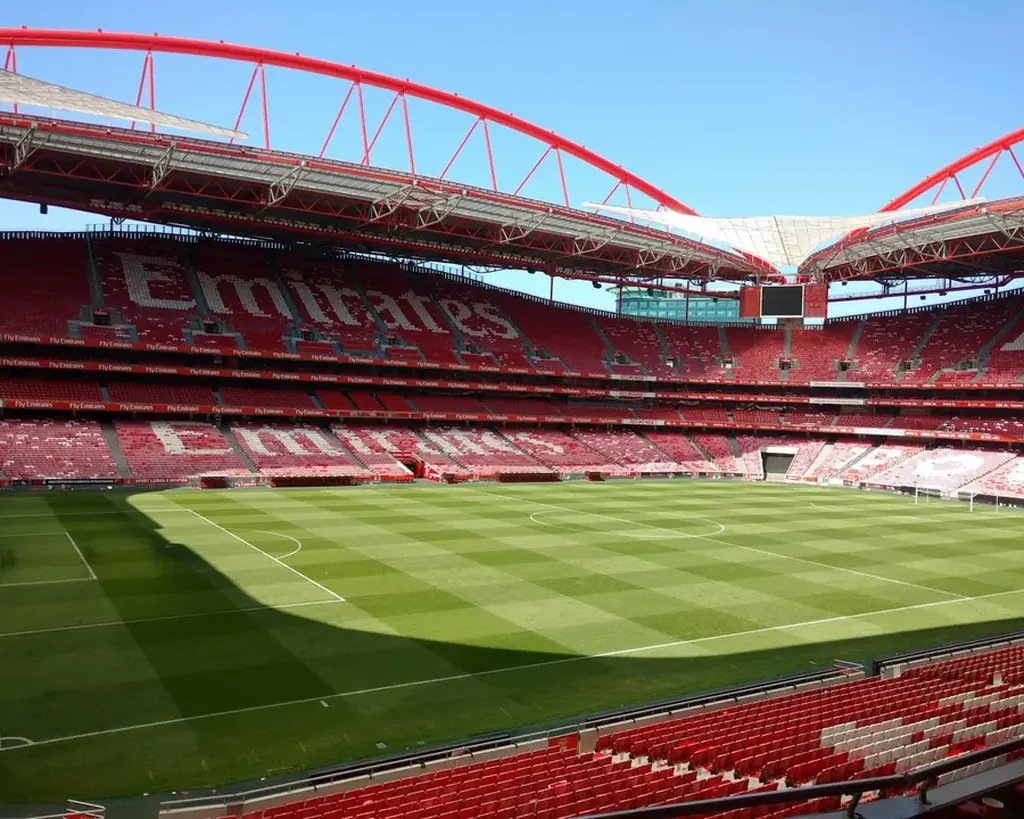
Have you ever watched Arsenal concede a goal and wondered exactly where the system broke down? You’re not alone. For years, the Gunners’ defensive structure has been the subject of heated debate among fans, pundits, and opposition analysts alike. Under the current manager, the approach has evolved significantly—from a high-risk, high-line gamble to a more calculated, versatile defensive block that adapts week by week. Yet, as any regular at the Emirates will tell you, the system isn’t perfect, and the cracks often appear in the most frustrating moments. Let’s break down exactly how Arsenal sets up without the ball, where the strengths lie, and the recurring vulnerabilities that keep the tactical analysts busy.
The Foundation: From High Line to Mixed Block
The modern Arsenal defensive shape isn’t one fixed formation. Instead, it shifts based on the opponent, the scoreline, and the phase of the game. In possession, the team typically builds in a 2-3-5 or 3-2-5 structure, with the full-backs pushing high and the inverted full-back or midfielder dropping into the backline. Out of possession, the system defaults to a 4-4-2 mid-block or, against stronger sides, a more compact 4-5-1 low block.
The key evolution has been the rejection of the suicidal high line that characterised earlier seasons. While Arsenal still presses aggressively in certain zones—particularly in the final third after a turnover—the defensive line now sits deeper when the opposition has settled possession. This adjustment reduces the number of through-ball goals conceded but introduces new challenges, particularly in transitional moments.
Pressing Triggers and Shape Discipline
Arsenal’s pressing isn’t constant; it’s triggered by specific cues. When the opposition plays a sideways pass in their own half, the near-side winger and full-back engage, forcing the ball towards the touchline. The midfield trio then shifts across, compressing space. The front line, led by the striker, angles their run to block the pass into the central midfielders, funnelling play into wide areas where Arsenal can trap the ball.
But discipline here is everything. If one player steps out of sync—a winger fails to track a runner, or a centre-back steps up too early—the whole shape collapses. This is why you’ll sometimes see Arsenal look organised for 85 minutes and then concede from a simple overlap. The system requires near-perfect coordination, and in a long Premier League season, lapses are inevitable.
The Role of the Goalkeeper as Sweeper
One of the most significant tactical shifts has been the goalkeeper’s role in the defensive shape. No longer just a shot-stopper, the modern Arsenal keeper functions as an auxiliary centre-back, often positioned 10–15 yards outside the box when the team builds from the back. This allows the defensive line to push higher in possession, but it also creates risk. A misplaced pass or a heavy touch in that zone can lead to a direct chance for the opposition.
The goalkeeper’s distribution also dictates the shape. When the ball is played short, the centre-backs split wide, the full-backs push on, and the defensive midfielder drops between the centre-backs. If the keeper goes long, the team compresses into a more traditional 4-4-2 to win the second ball. This dual system requires the keeper to read the game quickly and the outfield players to react instantly.

Transitional Vulnerability: The Achille’s Heel
Despite the improvements, Arsenal remains exposed in transition. When possession is lost in the attacking third, the full-backs are often caught high, leaving only two centre-backs and a defensive midfielder to cover the counter-attack. Against teams with pace on the wings—think of any direct opponent in the Premier League—this creates a numerical disadvantage that’s hard to recover from.
The solution, tactically, is to commit fewer players forward, but this conflicts with the attacking philosophy. The manager wants width and depth in attack, but that leaves the backline exposed. It’s a trade-off that every top club faces, but Arsenal’s execution has been inconsistent. Some matches, the recovery runs are sharp and the midfield covers the gaps. In others, the shape fractures, and the opposition waltzes through.
Set Pieces: A Double-Edged Sword
Defensive set pieces have been a persistent issue, though the numbers have improved recently. The zonal marking system, combined with a few man-markers on key threats, aims to cover dangerous zones rather than individual players. When executed well, it prevents the opposition from gaining a numerical advantage. When it fails, it often looks chaotic—players unsure of their responsibilities, leaving attackers free at the near post or unmarked at the back stick.
The improvement has come from dedicated set-piece coaching and more disciplined routines. Arsenal now often leaves one player high to prevent the opposition from committing everyone forward, reducing the risk of quick counters from corners. But the system still relies on individual concentration, and a single lapse can undo 90 minutes of solid work.
Comparison of Defensive Phases
| Phase | Primary Shape | Key Strength | Key Weakness |
|---|---|---|---|
| High press (opponent’s third) | 4-4-2 | Wins ball high, creates quick chances | Leaves space behind if bypassed |
| Mid-block (middle third) | 4-5-1 | Compact, hard to break down | Can be passive, invites pressure |
| Low block (own third) | 4-5-1 / 5-4-1 | Difficult to score against | Limits counter-attacking potential |
| Transition (loss of possession) | 4-2-3-1 (reactive) | Quick recovery runs possible | Full-backs caught high, numerical deficit |
The Human Factor: Individual Errors vs. Systemic Issues
It’s tempting to blame every goal on a defender’s mistake, but the reality is more nuanced. Arsenal’s system asks centre-backs to defend large spaces, full-backs to contribute in both boxes, and midfielders to cover ground at an elite level. When fatigue sets in—often after 70 minutes in high-intensity matches—the shape loosens. A pass goes astray, a runner isn’t tracked, and the system breaks.
The data shows that Arsenal concedes a higher proportion of goals in the final 20 minutes of matches than in the first half. This isn’t a coincidence. The physical demands of the system take their toll, and the manager’s reluctance to rotate the backline consistently has led to burnout. The solution isn’t necessarily a change in shape but a deeper squad and smarter substitution patterns.
Risks and Limitations of the Current System
No defensive system is flawless, and Arsenal’s approach carries inherent risks. The high defensive line, even when moderated, leaves the team vulnerable to pace. The pressing triggers require perfect timing, and a single mistimed step can open a gap. The reliance on full-backs for width means that when they are nullified—by a deep-lying winger or a quick counter—the team struggles to maintain shape.
There’s also the psychological factor. When Arsenal concedes early, the system often becomes frantic. The press becomes disorganised, the line pushes higher out of desperation, and gaps appear. This is why the team has struggled to come from behind in certain matches—the system requires calm and structure, and panic undermines both.
Verdict: A Work in Progress with Clear Promise
Arsenal’s defensive shape has come a long way from the chaotic, high-line experiments of previous seasons. The current system is more pragmatic, more adaptable, and better suited to the demands of the Premier League. The pressing triggers are well-drilled, the goalkeeper’s role is clearly defined, and the set-piece organisation has improved.
Yet the vulnerabilities remain. Transitional exposure, individual concentration lapses, and fatigue-induced breakdowns are recurring themes that the coaching staff continues to address. The system is good enough to compete at the top end of the table, but it requires near-perfect execution week in, week out.
For fans who want to dive deeper into how the tactics evolve across a full season, check out our main tactics analysis hub for more breakdowns. If you’re interested in how the academy players are being trained to fit this system, our youth academy coverage offers insights into the next generation. And for your own predictions on how the defensive shape will hold up against the next opponent, join the conversation in our fan polls section.
The system isn’t perfect, but it’s moving in the right direction. The question is whether the final pieces of the puzzle—depth, consistency, and a few more tactical tweaks—will be enough to turn a solid defensive foundation into a title-winning one.
Reader Comments (0)