
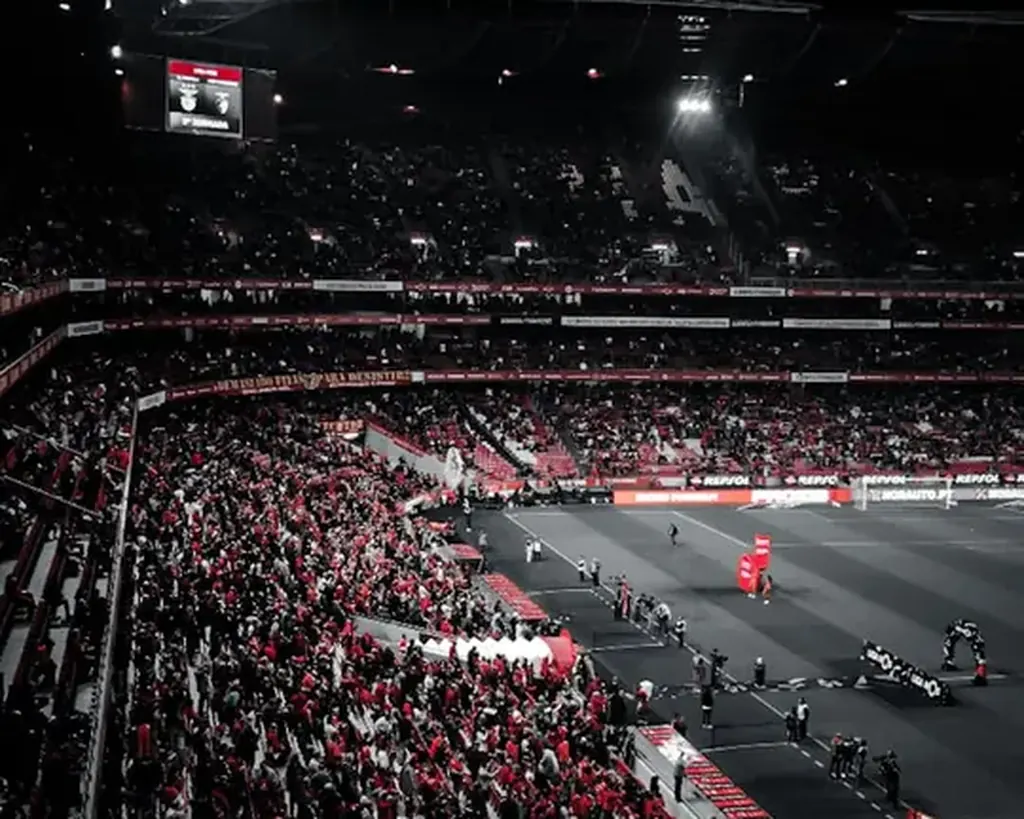
Understanding the Comeback Mentality at The Emirates
There’s a particular electricity that hums through the stands when Arsenal fall behind. It’s not panic—not yet. It’s a kind of collective recalibration, a shared memory of other afternoons when the script flipped. For a club built on the principle of playing until the final whistle, comeback victories aren’t just wins; they’re identity statements. This glossary breaks down the key terms, patterns, and historical context behind those fixtures where the Gunners turned a deficit into three points. Whether you’re a new fan trying to understand the lore or a long-time supporter looking for precise language to describe these moments, the entries below cover the tactical, emotional, and statistical dimensions of Arsenal’s comeback tradition.
### The Comeback Victory (Three-Point Turnaround)
A match in which Arsenal conceded the first goal (or trailed by any margin) but ultimately won the fixture. This excludes draws and losses. In Premier League history, these results are tracked as a specific metric of resilience. The comeback can happen in one half or across the full 90 minutes, and it often involves a tactical shift—a change in formation, a triple substitution, or a half-time dressing-room reset. For Arsenal, these victories are particularly celebrated when they occur against rivals or in high-stakes matches, as they reinforce the club’s historical reputation for refusing to accept defeat.
### The Highbury Spirit (Historical Resilience)
Refers to the psychological fortitude associated with Arsenal’s former home ground, Arsenal Stadium (commonly known as Highbury). Between 1913 and 2006, Highbury witnessed countless occasions where the Gunners rallied from behind. The term evokes the tight pitch, the famous marble halls, and the sense that the stadium itself demanded a certain kind of fighting football. While the move to Emirates Stadium changed the physical setting, the “Highbury spirit” remains a touchstone for fans and pundits when describing comebacks. It’s less a tactical concept and more a cultural one—the idea that Arsenal’s identity includes a refusal to capitulate, even when the scoreboard looks bleak.
### The Second-Half Surge (Tactical Adjustment)
A pattern where Arsenal performs significantly better after the interval, often turning a half-time deficit into a victory. This can result from manager instructions, tactical tweaks, or simply increased intensity. Historically, Arsenal’s second-half surges have been linked to fitness levels, particularly during the Arsène Wenger era when the team’s conditioning allowed them to outrun opponents in the final 30 minutes. More recently, the pattern has been associated with the current squad’s ability to maintain high pressing and quick passing after the break. When tracking fixtures, a “second-half surge” is statistically notable if Arsenal’s expected goals (xG) more than doubles in the second period compared to the first.
### The Emirates Roar (Home Crowd Factor)
The specific acoustic and psychological effect of the Emirates Stadium crowd when Arsenal is trailing at home. Unlike a neutral or frustrated silence, the “Emirates roar” describes a sudden, deliberate increase in noise—chanting, clapping, and vocal support—designed to lift the players. This phenomenon is often cited as a factor in home comebacks, particularly in the closing stages of matches. The roar typically begins around the 70th minute if Arsenal is still behind, and it can coincide with a period of sustained pressure. It’s a term used by commentators, players, and fan media to describe the symbiotic relationship between the supporters and the team during a comeback.
### The Late Show (Stoppage-Time Comeback)
A specific subset of comeback victories where Arsenal scores the winning goal in second-half stoppage time (after the 90th minute). These are the most dramatic fixtures in the category, often involving a corner kick, a free kick, or a scramble in the box. The “late show” has become a notable feature of Arsenal’s recent history, with several high-profile examples in the Premier League and European competitions. For statistical purposes, a “late show” is defined as a goal scored in the 90th minute or later that either equalizes or wins the match. These results are disproportionately celebrated in fan media because they maximize emotional impact and often feel like a reward for sustained pressure.
### The Comeback Kings (Historical Ranking)
A colloquial title used to describe Arsenal’s historical performance in matches where they trailed. Depending on the statistical period referenced, Arsenal has ranked among the Premier League’s top clubs for points gained from losing positions. This ranking fluctuates season by season, but the club’s overall record is consistently strong, partly due to the longevity of their top-flight status and partly due to the attacking philosophy that has defined many of their eras. The “Comeback Kings” label is not an official statistic but a fan-generated honorific that appears in match previews and post-match analysis when Arsenal overturns a deficit.
### The Invincibles Comeback (2003–04 Season)
Refers specifically to Arsenal’s unbeaten Premier League season, during which they trailed in several matches but always recovered to avoid defeat. While not all of those recoveries were wins (some were draws), the Invincibles set a standard for resilience. The most famous comeback of that season was against Liverpool at Highbury, where Arsenal trailed 1–0 at half-time but won 4–2. This fixture is often cited in discussions of the club’s comeback mentality because it demonstrated the tactical flexibility and mental strength of that squad. The Invincibles Comeback serves as a benchmark against which later comebacks are measured in fan discourse.
### The North London Derby Comeback (Rivalry Context)
A comeback victory specifically against Tottenham Hotspur. These fixtures carry extra weight because of the rivalry, and a win from a losing position amplifies the emotional significance. Historically, Arsenal has produced several notable comebacks in North London derbies, including matches at both Highbury and the Emirates. The term is used in fixture analysis to highlight matches where the Gunners demonstrated superiority not just in skill but in character. A derby comeback is often remembered longer than a similar result against a non-rival, and it frequently appears in season retrospectives as a defining moment.
### The European Comeback (Continental Fixtures)
A comeback victory in UEFA Champions League, UEFA Europa League, or earlier European competitions. European comebacks are distinct because of the two-legged format and the away goals rule (historically). Arsenal’s European comebacks include famous nights at the Emirates and abroad, often characterized by a need to overturn a first-leg deficit. The term encompasses both single-match turnarounds and aggregate comebacks. For statistical tracking, a “European comeback” is recorded when Arsenal wins a match after trailing, regardless of the competition stage. These fixtures are particularly valued in fan media because they demonstrate the club’s ability to perform under the unique pressure of continental football.
### The Half-Time Team Talk (Managerial Intervention)
The period between the 45th and 46th minute when the manager addresses the squad in the dressing room. This is a critical moment in comeback fixtures, as tactical adjustments and motivational messaging can change the course of the match. While the exact content of team talks is private, post-match interviews often reveal that a comeback was sparked by a half-time change—a switch to a back three, a positional change for a key player, or simply a demand for more intensity. The “half-time team talk” is a term used in match reports and fan analysis to attribute the second-half improvement to managerial influence.
### The Substitution Impact (Bench Contribution)
A goal or assist from a player who entered the match as a substitute, directly contributing to a comeback. This is a measurable statistic in fixture analysis, and Arsenal has historically had strong bench contributions in comeback victories. The “substitution impact” is often discussed in tactical breakdowns, as managers may hold back key attacking players to introduce them when the opposition is tiring. The term is used to evaluate squad depth and managerial decision-making, particularly in fixtures where the starting lineup struggled to break down the opposition.
### The Set-Piece Rescue (Dead-Ball Comeback)
A comeback goal scored from a corner kick, free kick, or throw-in. Arsenal has a notable history of scoring from set pieces in crucial moments, and these goals are often the mechanism for turning a deficit into a draw or win. The “set-piece rescue” is a tactical term that highlights the importance of dead-ball situations in matches where open-play chances are limited. In recent seasons, Arsenal’s set-piece coaching has been emphasized as a key factor in their ability to score from these situations, making the term relevant in modern fixture analysis.
### The Goal Difference Swing (Statistical Impact)
The change in goal difference resulting from a comeback victory. Instead of losing by one goal, Arsenal wins by one goal—a swing of two goals in the goal difference column. This is a statistical term used in league table analysis, particularly during tight title races or relegation battles. The “goal difference swing” is a subtle but important consequence of comeback victories, as it can be the deciding factor in final standings. For fan media, this term is used to contextualize the importance of not just winning, but winning from behind.
### The Momentum Shift (Psychological Turning Point)
The specific moment in a fixture when the balance of play changes decisively in Arsenal’s favor, leading to the comeback. This could be a goal, a red card for the opposition, a missed chance that galvanizes the crowd, or a tactical change. The “momentum shift” is a narrative term used in match reports and fan discussions to identify the turning point. It’s often subjective—different observers may identify different moments—but it’s a useful concept for understanding how a match transitions from a losing position to a winning one.
### The Resilience Rating (Fan-Generated Metric)
An informal statistic used in fan media to rank Arsenal’s comebacks by difficulty, importance, and drama. The “resilience rating” is not an official metric but a way for supporters to compare different comeback victories. Factors include the quality of the opposition, the stage of the season, the margin of the deficit, and the timing of the winning goal. This term is used in glossary-style articles and fan forums to create a framework for discussing which comebacks were the most impressive.
### The Goalkeeper’s Contribution (Defensive Foundation)
The role of the Arsenal goalkeeper in keeping the score manageable during a period of opposition dominance, allowing the comeback to occur. A goalkeeper who makes crucial saves while Arsenal is trailing is often credited with keeping the team in the match. The “goalkeeper’s contribution” is a term used in match analysis to highlight defensive performances that underpin attacking comebacks. It’s a reminder that comebacks aren’t just about scoring goals but also about preventing further concessions.
### The Captain’s Response (Leadership on the Pitch)
The actions and influence of the Arsenal captain during a comeback fixture. This can include scoring a goal, providing an assist, organizing the team, or simply maintaining composure under pressure. The “captain’s response” is a narrative term used in post-match coverage to emphasize leadership qualities. It’s often cited in discussions of captaincy and player character, particularly when the captain is directly involved in the turning point of the match.

### The Academy Graduate’s Moment (Youth Product Impact)
A comeback goal or assist scored by a player who came through the Arsenal Academy (Hale End). These moments are particularly celebrated in fan media because they connect the current first team to the club’s youth development system. The “academy graduate’s moment” is a term used to highlight the pipeline from the academy to the senior squad, and it often appears in match reports when a young player contributes to a comeback. These instances are seen as evidence of the academy’s success and the club’s long-term planning.
### The Injury-Time Equalizer (Draw Recovery)
While not a victory, an equalizer scored in stoppage time after trailing is a closely related concept. The “injury-time equalizer” is a term used in fixture analysis to describe matches where Arsenal salvaged a point from a losing position. These results are often considered moral victories, particularly against strong opposition, and they contribute to the club’s overall record of points gained from losing positions. The term is used to distinguish between full comebacks (wins) and partial recoveries (draws).
### The Fixture Context (Match Importance)
The broader significance of a comeback victory within the season. A comeback against a relegation-threatened team in December has a different weight than a comeback against a title rival in April. The “fixture context” is a term used in analysis to evaluate the importance of a result beyond the simple three points. It considers the stage of the season, the opponent’s form, and the implications for league position or cup progression. This term helps fans and analysts understand why some comebacks are remembered more vividly than others.
### The Statistical Anomaly (Rarity Factor)
A comeback victory that defies statistical expectations based on the match data. For example, a win despite having fewer shots, lower possession, or a lower expected goals (xG) total. The “statistical anomaly” is a term used in data-driven analysis to highlight matches where Arsenal’s result was not predicted by the underlying numbers. These fixtures are often discussed in fan media as examples of the unpredictability of football and the limitations of statistical models.
### The Fan Memory (Cultural Preservation)
The collective recollection of a specific comeback victory within the Arsenal supporter community. “Fan memory” refers to how a fixture is remembered, discussed, and passed down to newer fans. This term is used in glossary articles to acknowledge that comebacks aren’t just historical facts but living stories that shape the club’s identity. The fan memory of a comeback can be influenced by the quality of the goals, the atmosphere in the stadium, or the broader context of the season.
### The Post-Match Narrative (Media Framing)
The story that emerges after a comeback victory, as told by journalists, pundits, and fan media. The “post-match narrative” can focus on the manager’s tactics, the players’ character, the opposition’s collapse, or the crowd’s influence. This term is used in fixture analysis to examine how comebacks are framed in the public discourse. Different narratives can emerge from the same match, depending on the perspective of the commentator or the outlet.
### The Season-Defining Comeback (Legacy Result)
A comeback victory that changes the trajectory of a season, either by boosting confidence, closing a gap in the table, or eliminating a rival from a cup competition. The “season-defining comeback” is a term used in retrospectives and end-of-season reviews to identify the most impactful results. These comebacks are often cited as turning points when discussing how a season unfolded, and they become part of the club’s historical narrative.
What to Check When Analyzing a Comeback Victory
When reviewing a specific fixture, consider these factors to understand the full context of the comeback:
- The deficit margin: Was it a one-goal deficit or a multi-goal deficit? Multi-goal comebacks are rarer and more dramatic.
- The timing of the equalizer and winner: Early second-half goals allow more time for a turnaround; stoppage-time winners maximize drama.
- The quality of the opposition: A comeback against a top-six rival carries more weight than one against a relegation-threatened side.
- The venue: Home comebacks benefit from crowd support; away comebacks demonstrate mental toughness.
- The manager’s substitutions: Which players were introduced, and at what point? Substitutions often indicate tactical intent.
- The match statistics: Did Arsenal dominate possession and chances despite trailing, or was the comeback against the run of play?
- The broader season context: Was this a must-win fixture, a dead rubber, or a match with title implications?
Reader Comments (0)